

Więcej o książce
Biotechnology is vital to counter biological and toxin weapons. Without biotechnology, the detection, identification and diagnoses of, and medical countermeasures to such weapons would be virtually impossible. As biological and toxin agents occur in natural outbreaks of disease or intoxications, there are both civil and military benefit to be had from the use of biotechnology in providing effective countermeasures to such agents. The role of biotechnology in countering biological and toxin weapons is here addressed under seven major headings: The wider political and economic contexts; Enabling technologies for BTW agent detection; The applicability of biotechnological methods for BTW agent detection on the battlefield, in a terrorist incident, and in an inspection environment; Pre-exposure medical countermeasures; Diagnosis and identification; Post-exposure treatment and decontamination; Contribution of biotechnology to strengthening international conventions against BTW agents.
Zakup książki
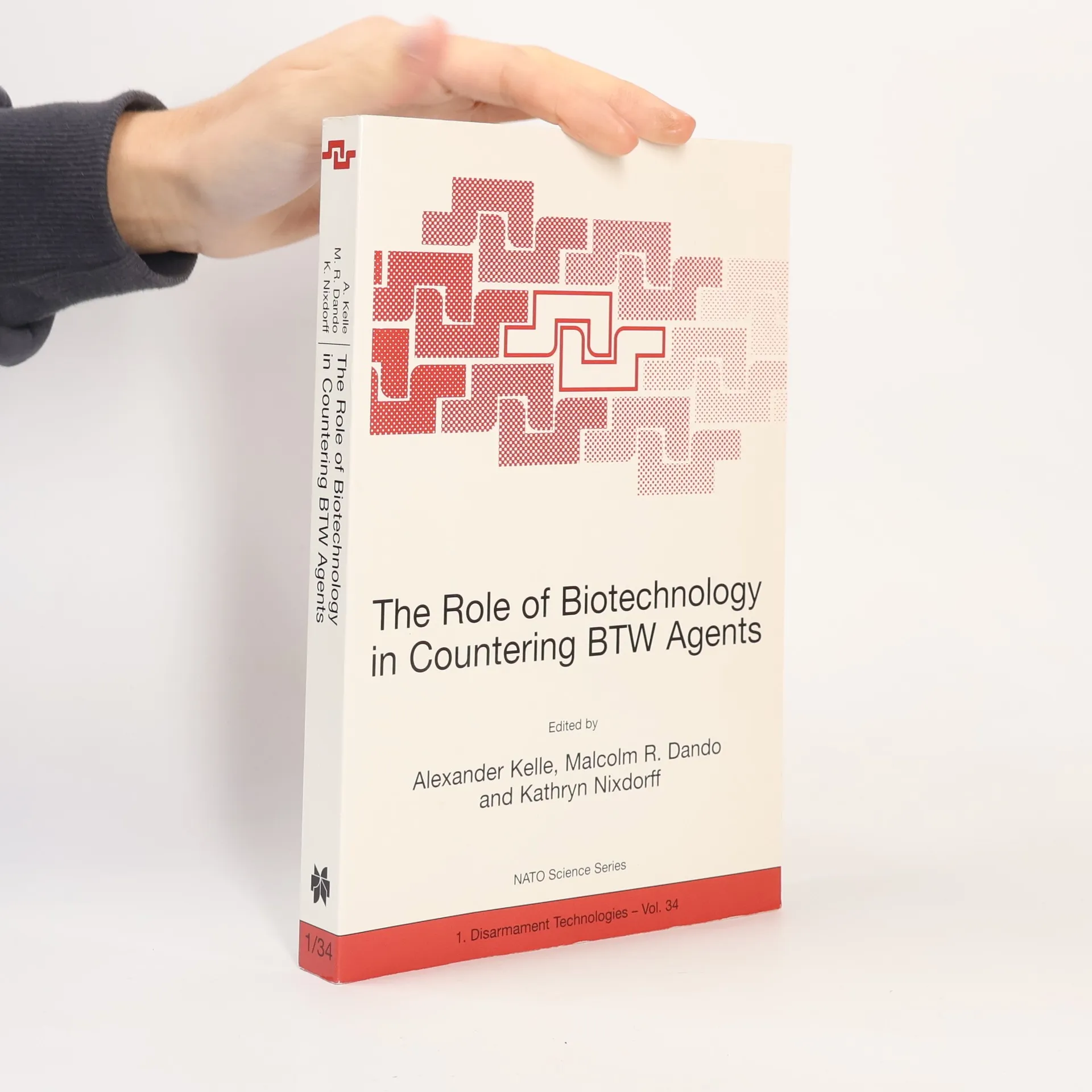
The Role of Biotechnology in Countering BTW Agents, Malcolm R. Dando, Kathryn Nixdorff, Alexander Kelle
- Język

- Rok wydania
- 2001
- Oprawa
- (miękka)
Metody płatności
Nikt jeszcze nie ocenił.
- Tytuł
- The Role of Biotechnology in Countering BTW Agents
- Język
- angielski
- Wydawca
- Springer
- Rok wydania
- 2001
- Oprawa
- miękka
- Liczba stron
- 336
- ISBN10
- 0792369068
- ISBN13
- 9780792369066
- Seria
- Tagi
- Biznes
- Opis
- Biotechnology is vital to counter biological and toxin weapons. Without biotechnology, the detection, identification and diagnoses of, and medical countermeasures to such weapons would be virtually impossible. As biological and toxin agents occur in natural outbreaks of disease or intoxications, there are both civil and military benefit to be had from the use of biotechnology in providing effective countermeasures to such agents. The role of biotechnology in countering biological and toxin weapons is here addressed under seven major headings: The wider political and economic contexts; Enabling technologies for BTW agent detection; The applicability of biotechnological methods for BTW agent detection on the battlefield, in a terrorist incident, and in an inspection environment; Pre-exposure medical countermeasures; Diagnosis and identification; Post-exposure treatment and decontamination; Contribution of biotechnology to strengthening international conventions against BTW agents.