

Ocena książki
Więcej o książce
'Perversion is a challenge for theory and psychoanalytic practice that Juan Pablo Jimenez and Rodolfo Moguillansky, American psychoanalysts known for the originality of their contributions, have managed successfully. In this book they offer us vivid and detailed clinical material of patients of analysis who presented various kinds of perversions, which they accompany by a comprehensive and accurate review of major psychoanalytic contributions on the subject, and their own contributions to it.' The reader will find not only scholarship, but also he will find himself trapped in a thriller where the analyst is continually asked to leave his role as analyst to enter a game that fascinates and rejects. In a masterful way the authors describe their own internal vicissitudes in the treatment of these patients, the counter-transferential difficulties and how perversion becomes a source of inevitable collusions in the mind of the analyst.
Zakup książki
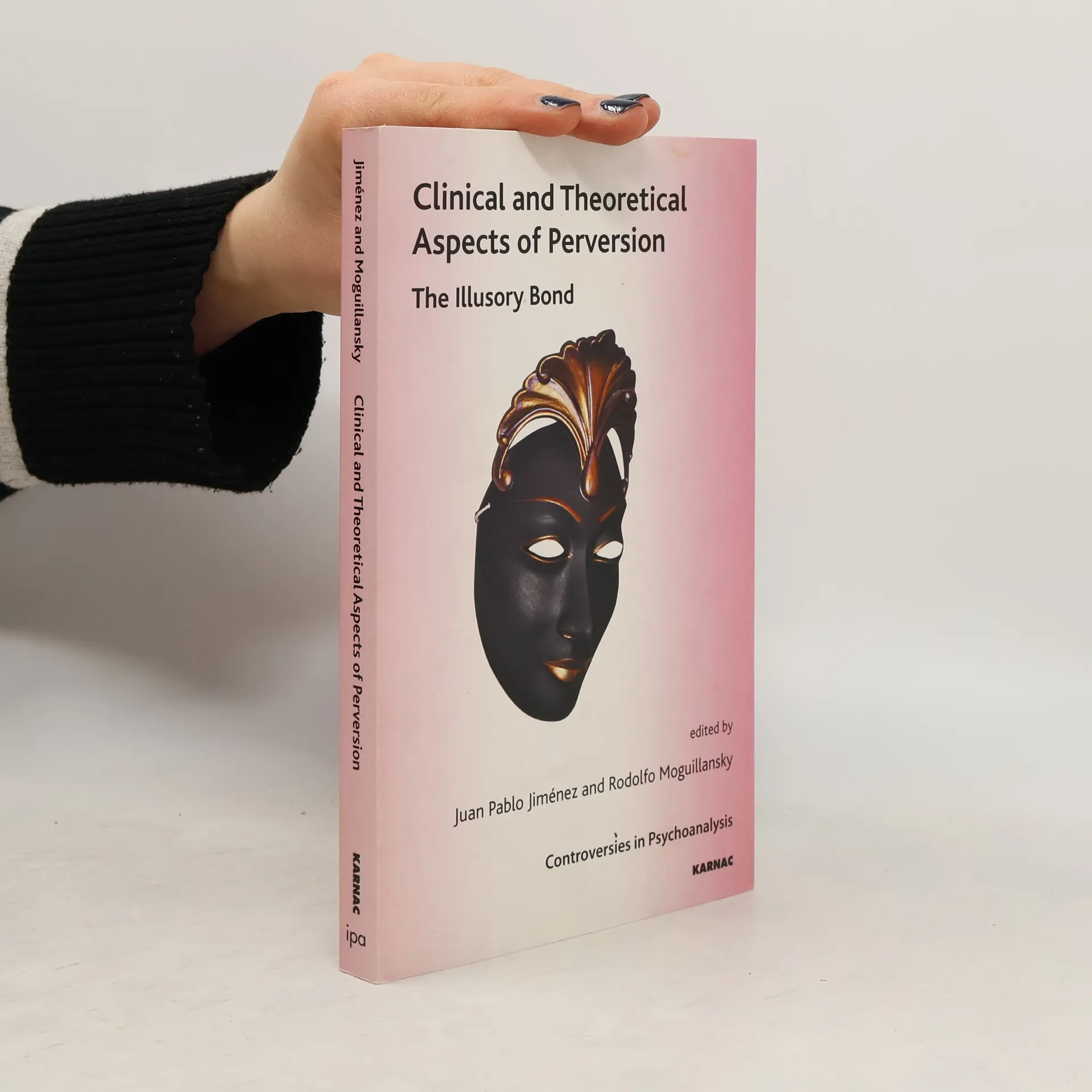
Controversies in Psychoanalysis: Clinical and Theoretical Aspects of Perversion, Juan Pablo Jiménez, Rodolfo Moguillansky
- Język

- Rok wydania
- 2011
- Oprawa
- (miękka)
Metody płatności
Brakuje nam tutaj Twojej recenzji.
- Tytuł
- Controversies in Psychoanalysis: Clinical and Theoretical Aspects of Perversion
- Podtytuł
- The Illusory Bond
- Język
- angielski
- Wydawca
- Routledge
- Rok wydania
- 2011
- Oprawa
- miękka
- Liczba stron
- 222
- ISBN10
- 1855758075
- ISBN13
- 9781855758070
- Seria
- Ocena
- 3 z 5
- Opis
- 'Perversion is a challenge for theory and psychoanalytic practice that Juan Pablo Jimenez and Rodolfo Moguillansky, American psychoanalysts known for the originality of their contributions, have managed successfully. In this book they offer us vivid and detailed clinical material of patients of analysis who presented various kinds of perversions, which they accompany by a comprehensive and accurate review of major psychoanalytic contributions on the subject, and their own contributions to it.' The reader will find not only scholarship, but also he will find himself trapped in a thriller where the analyst is continually asked to leave his role as analyst to enter a game that fascinates and rejects. In a masterful way the authors describe their own internal vicissitudes in the treatment of these patients, the counter-transferential difficulties and how perversion becomes a source of inevitable collusions in the mind of the analyst.