



Więcej o książce
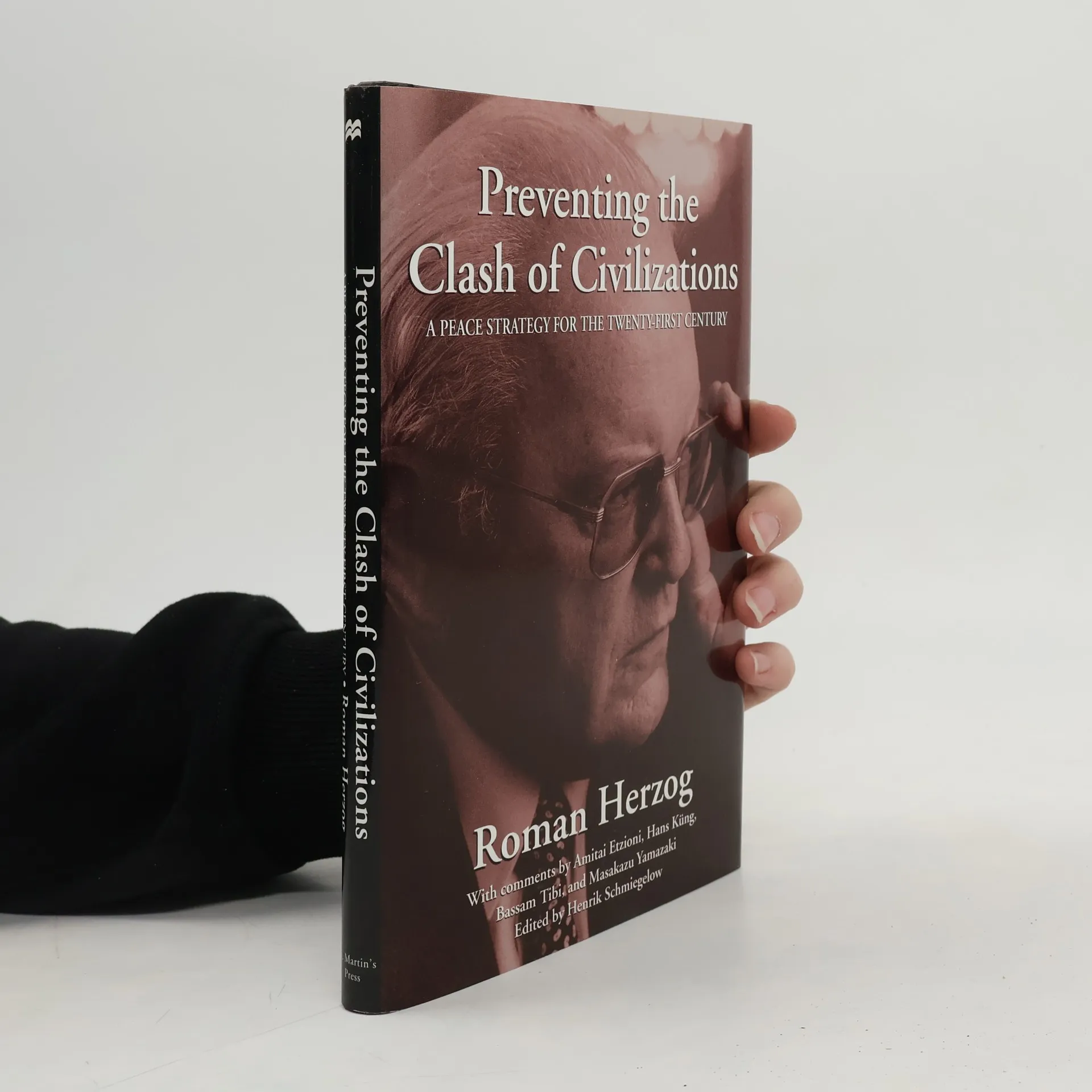
The President of the Federal Republic of Germany, Roman Herzog, and four internationally renowned scholars from different cultural backgrounds and academic disciplines argue about ways to prevent the scenario of a clash of civilizations from becoming reality. Recognizing that scenario as an intellectual projection with considerable influence on policy-makers across the world, they agree on the necessity to mobilize ideas of cooperation as countervailing forces against mindsets of conflict and violence; to respect the diversity of cultures, but avoid moral relativism; to recognize the danger of fundamentalist instrumentalization of religion for purposes of political power; to cope with economic and social disequilibria that may lead to eruptions of conflict and violence; and to focus on commonalities between cultures as a strategy of peace in a globalized world.
Zakup książki
Preventing the Clash of Civilizations, Roman Herzog, Amitai Etzioni, Hans Küng, Bassām Ṭībī, Masakazu Yamazaki, Henrik Schmiegelow
- Język

- Rok wydania
- 1999
- Oprawa
- (twarda)
Metody płatności
Brakuje nam tutaj Twojej recenzji.
- Tytuł
- Preventing the Clash of Civilizations
- Język
- angielski
- Autorzy
- Roman Herzog, Amitai Etzioni, Hans Küng, Bassām Ṭībī, Masakazu Yamazaki, Henrik Schmiegelow
- Wydawca
- St. Martin's Press
- Rok wydania
- 1999
- Oprawa
- twarda
- Liczba stron
- 136
- ISBN10
- 0312224443
- ISBN13
- 9780312224448
- Seria
- Tagi
- Teorie polityczne, Pokój
- Ocena
- 4 z 5
- Opis
- The President of the Federal Republic of Germany, Roman Herzog, and four internationally renowned scholars from different cultural backgrounds and academic disciplines argue about ways to prevent the scenario of a clash of civilizations from becoming reality. Recognizing that scenario as an intellectual projection with considerable influence on policy-makers across the world, they agree on the necessity to mobilize ideas of cooperation as countervailing forces against mindsets of conflict and violence; to respect the diversity of cultures, but avoid moral relativism; to recognize the danger of fundamentalist instrumentalization of religion for purposes of political power; to cope with economic and social disequilibria that may lead to eruptions of conflict and violence; and to focus on commonalities between cultures as a strategy of peace in a globalized world.