

Parametry
- 300 stron
- 11 godzin czytania
Więcej o książce
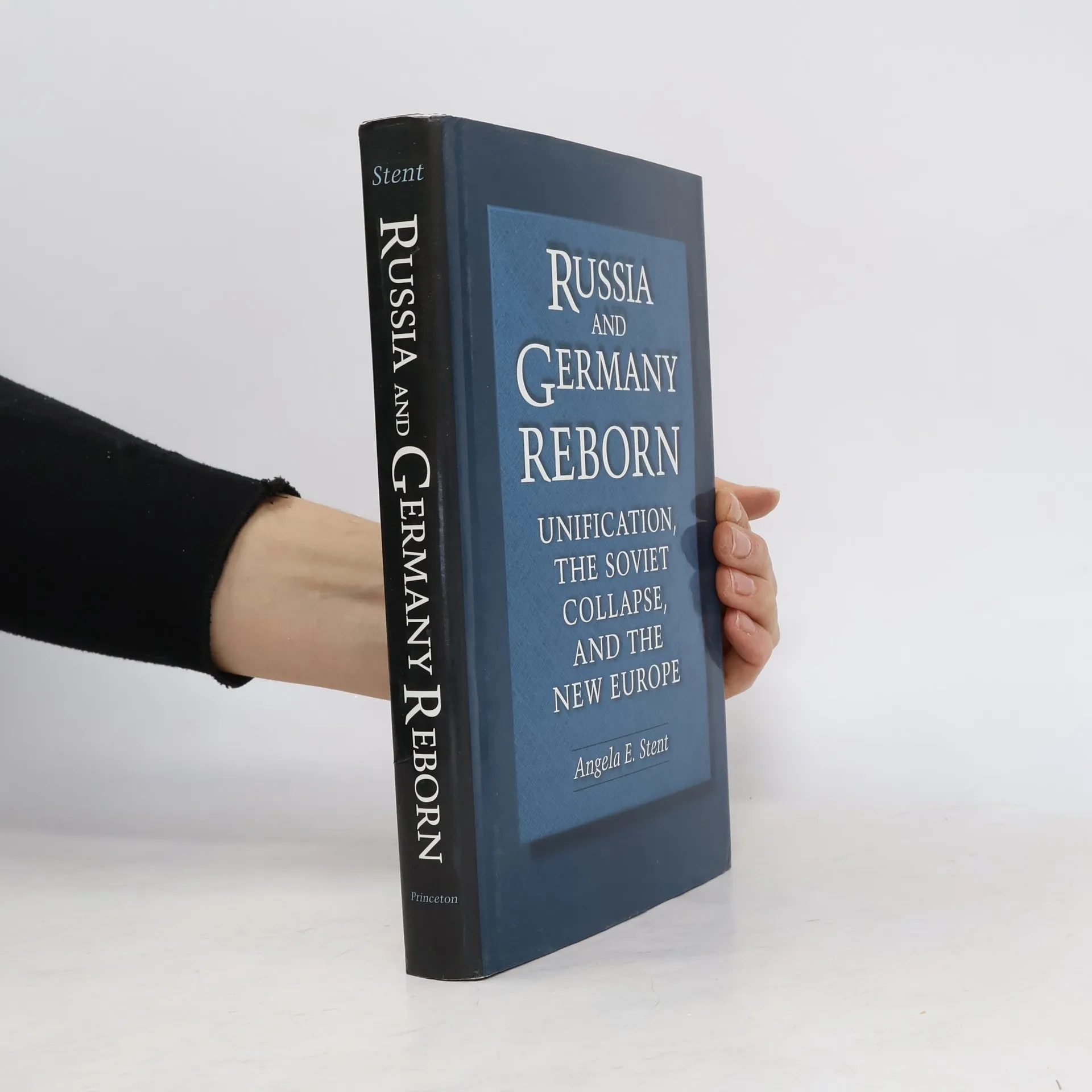
The relationship between Russia and Germany has been central to significant events in the twentieth century, including both World Wars, the Cold War, and the transformation of Europe post-communism. This book offers a comprehensive examination of the evolution of this complex and often tumultuous relationship from both Russian and German viewpoints. Angela Stent utilizes interviews with key figures, such as Mikhail Gorbachev, alongside insights from newly declassified East German archives and her deep understanding of the dynamics at play. She provides a thorough review of pivotal moments, including the onset of détente, German unification, the Soviet Union's collapse, and the emergence of a new European order. Stent highlights the chaotic and ambivalent Soviet negotiating strategies that ultimately led to a united Germany in NATO, despite Gorbachev's opposition. She illustrates how the interplay of German strength and Russian weakness has shaped the power dynamics between the two nations. The book also presents various potential futures for their relationship, ranging from optimistic to those overshadowed by the rise of authoritarianism. This work is essential for anyone interested in a relationship that significantly influenced the twentieth century and will continue to shape the future.
Zakup książki
Russia and Germany Reborn, Angela Stent
- Język

- Rok wydania
- 1998
- Oprawa
- (twarda)
Metody płatności
Brakuje nam tutaj Twojej recenzji.
- Tytuł
- Russia and Germany Reborn
- Podtytuł
- Unification, the Soviet Collapse, and the New Europe
- Język
- angielski
- Autorzy
- Angela Stent
- Wydawca
- Princeton University Press
- Rok wydania
- 1998
- Oprawa
- twarda
- Liczba stron
- 300
- ISBN10
- 0691059659
- ISBN13
- 9780691059655
- Seria
- Tagi
- Tematy historyczne, Niemcy, USA, Rosja, Teorie polityczne, Stosunki międzynarodowe, Zachodnia Europa, Związek Radziecki
- Ocena
- 3,8 z 5
- Opis
- The relationship between Russia and Germany has been central to significant events in the twentieth century, including both World Wars, the Cold War, and the transformation of Europe post-communism. This book offers a comprehensive examination of the evolution of this complex and often tumultuous relationship from both Russian and German viewpoints. Angela Stent utilizes interviews with key figures, such as Mikhail Gorbachev, alongside insights from newly declassified East German archives and her deep understanding of the dynamics at play. She provides a thorough review of pivotal moments, including the onset of détente, German unification, the Soviet Union's collapse, and the emergence of a new European order. Stent highlights the chaotic and ambivalent Soviet negotiating strategies that ultimately led to a united Germany in NATO, despite Gorbachev's opposition. She illustrates how the interplay of German strength and Russian weakness has shaped the power dynamics between the two nations. The book also presents various potential futures for their relationship, ranging from optimistic to those overshadowed by the rise of authoritarianism. This work is essential for anyone interested in a relationship that significantly influenced the twentieth century and will continue to shape the future.