

Więcej o książce
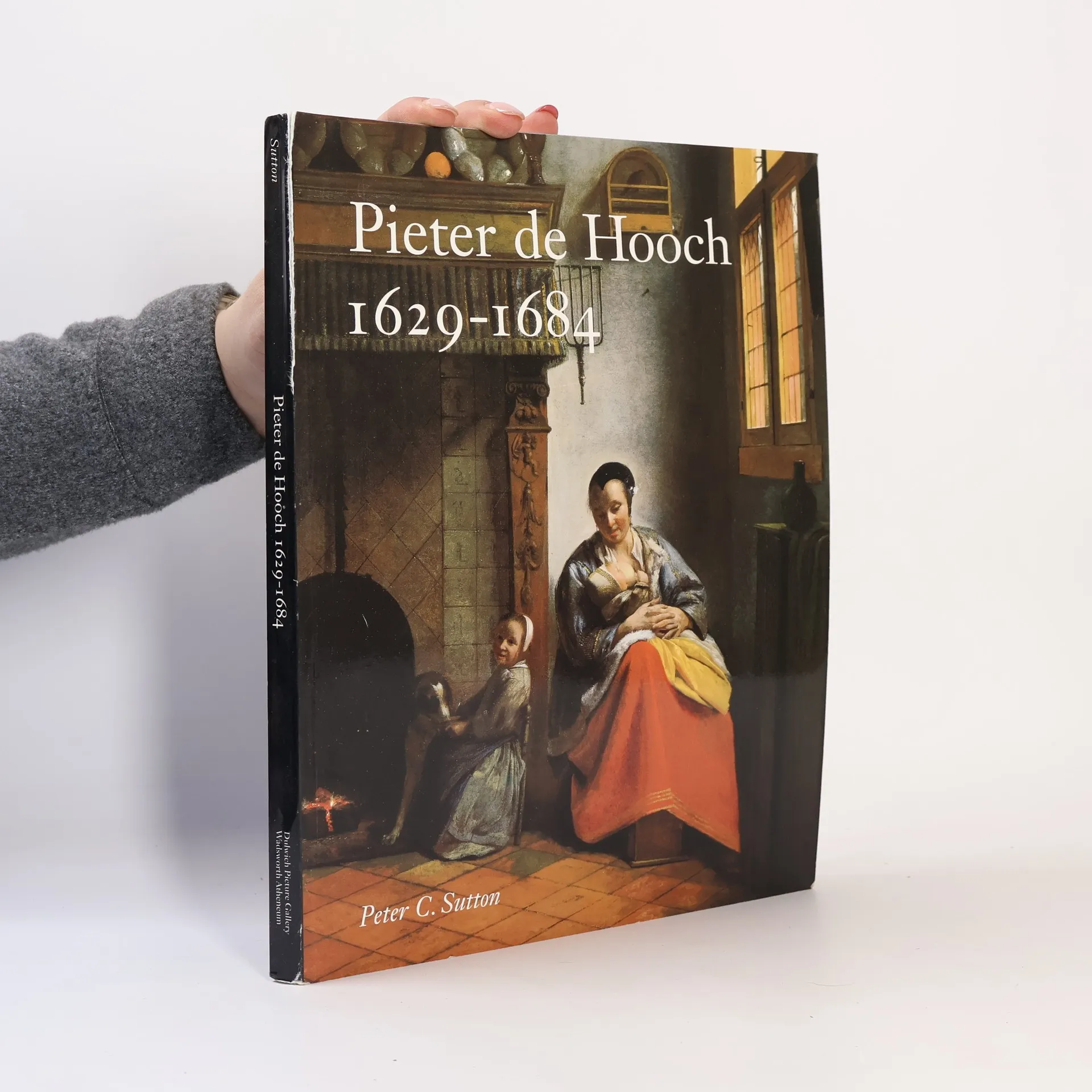
Pieter de Hooch, one of the most famous and innovative artists of Holland's Golden Age, played a pioneering role in the Delft School and m the advancement of genre painting and naturalism in the seventeenth century. Best known for his expressive use of interior space and sun-filled courtyards, de Hooch's command of perspective and responsiveness to light and atmosphere were unprecedented, and his work undoubtedly influenced his younger but more famous colleague Vermeer.This beautiful book examines de Hooch's position in Dutch genre painting and the social and political context of his art in the United Netherlands. It also addresses the artist's favored themes -- in particular the virtue of domesticity -- and relates them to Dutch civilization, literature, and the history of the family in the Protestant republic. Peter Sutton investigates de Hooch's approach to narration and his practice of encoding commentaries through symbolism, gesture, and such time-honored devices as the painting within the painting. In addition, he discusses new technical data concerning the artist's painting techniques, materials, and working methods. Through word and image, the book traces de Hooch's artistic development from his early beloved Delft period pictures to his more elegant and aristocratic paintings from his later years in Amsterdam.
Zakup książki
Pieter de Hooch, Peter C. Sutton
- Język

- Rok wydania
- 1998
Metody płatności
Brakuje nam tutaj Twojej recenzji.
- Tytuł
- Pieter de Hooch
- Podtytuł
- 1629-1684
- Język
- angielski
- Autorzy
- Peter C. Sutton
- Wydawca
- Yale University Press
- Rok wydania
- 1998
- Liczba stron
- 183
- ISBN10
- 0300077572
- ISBN13
- 9780300077575
- Seria
- Tagi
- Sztuki piękne, Sztuka, USA, Katalogi wystaw, Historia sztuki, Holandia, Zachodnia Europa, Malarstwo holenderskie
- Ocena
- 3,9 z 5
- Opis
- Pieter de Hooch, one of the most famous and innovative artists of Holland's Golden Age, played a pioneering role in the Delft School and m the advancement of genre painting and naturalism in the seventeenth century. Best known for his expressive use of interior space and sun-filled courtyards, de Hooch's command of perspective and responsiveness to light and atmosphere were unprecedented, and his work undoubtedly influenced his younger but more famous colleague Vermeer.This beautiful book examines de Hooch's position in Dutch genre painting and the social and political context of his art in the United Netherlands. It also addresses the artist's favored themes -- in particular the virtue of domesticity -- and relates them to Dutch civilization, literature, and the history of the family in the Protestant republic. Peter Sutton investigates de Hooch's approach to narration and his practice of encoding commentaries through symbolism, gesture, and such time-honored devices as the painting within the painting. In addition, he discusses new technical data concerning the artist's painting techniques, materials, and working methods. Through word and image, the book traces de Hooch's artistic development from his early beloved Delft period pictures to his more elegant and aristocratic paintings from his later years in Amsterdam.