

Parametry
- 256 stron
- 9 godzin czytania
Więcej o książce
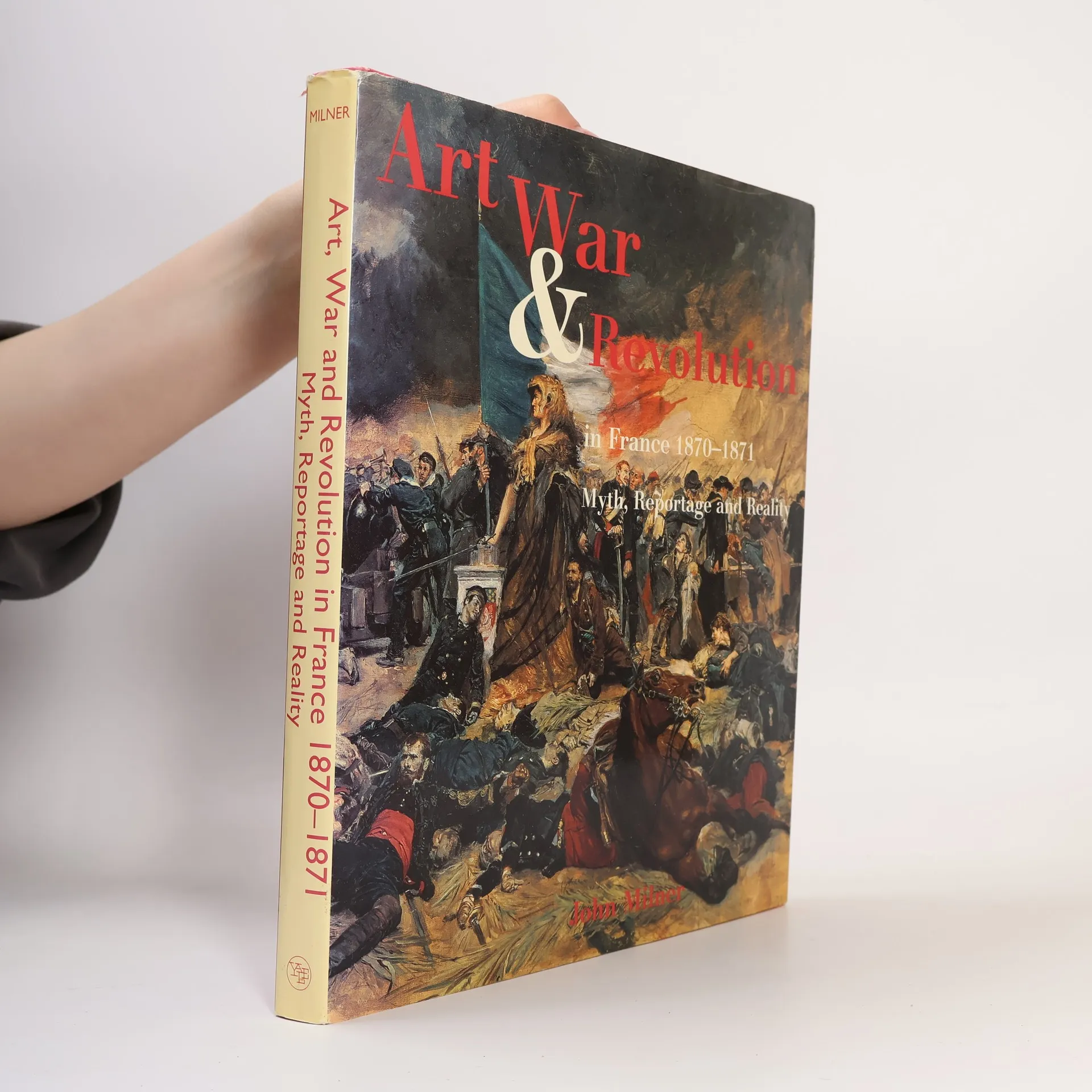
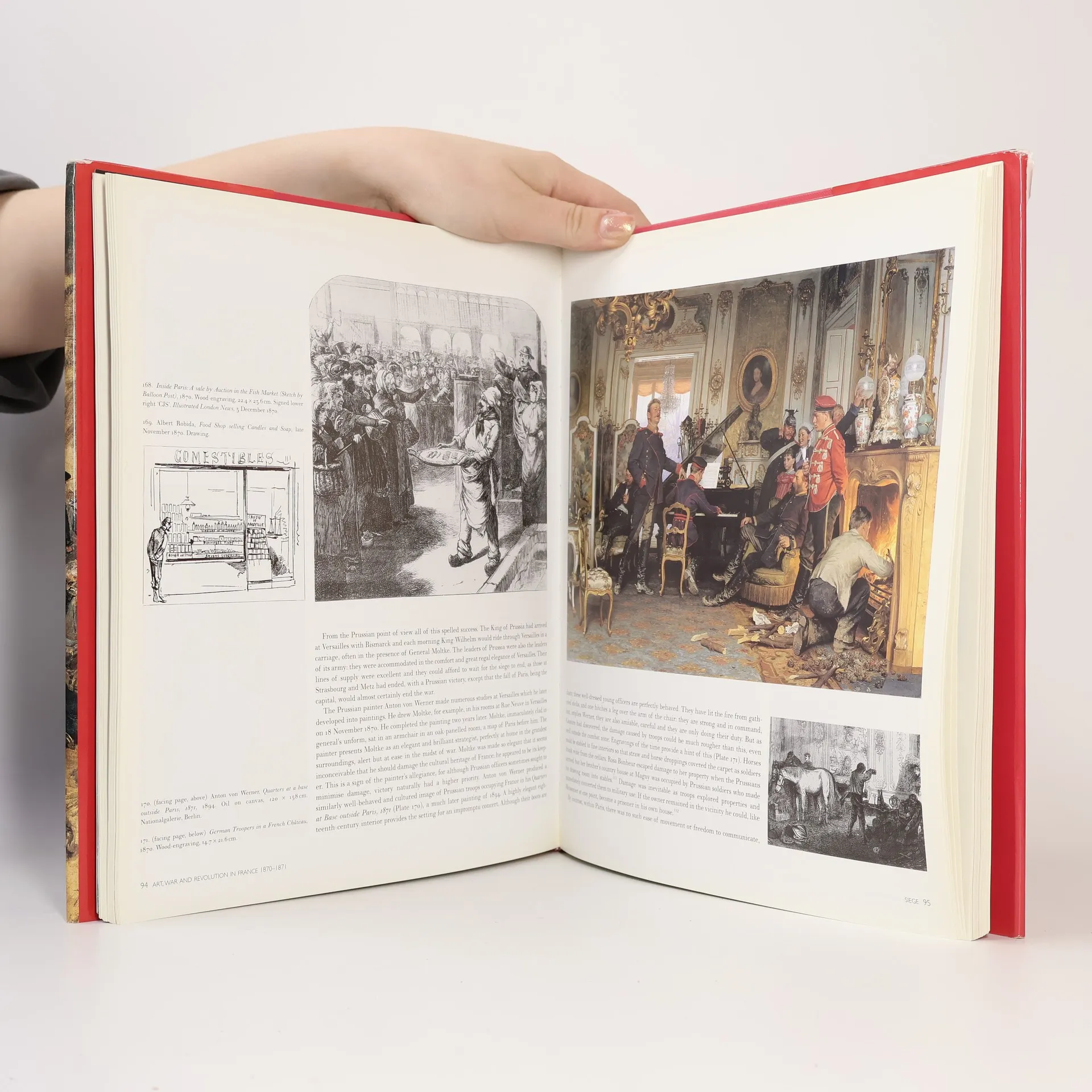
During a brief and violent ten-month period between 1870 and 1871, the last Napoleonic empire fell, France faced a devastating war with Prussia, Paris was besieged, and the Paris Commune revolted, only to be suppressed by a new Republic. This engrossing exploration examines how artists responded to these tumultuous events. John Milner delves into the significance of the war and the Commune for artists, highlighting how they shaped public perception and interpretation of these occurrences. He outlines the shifting roles of artists during this time. Under Napoleon III, they received significant commissions and contributed to the imperial image. As war erupted, artists drafted for duty documented its horrors, becoming politically engaged, with some supporting the emperor while others opposed him. Following the war, the Paris Commune pitted French citizens against one another. Artists like Gustave Courbet identified as Communards, rejecting the government and creating impactful works that depicted the brutal suppression of the Commune. This period called for a new portrayal of the Republic, military defeat, and the Commune's significance, offering artists opportunities to reinterpret history. John Milner is a professor of art history at the University of Newcastle and has authored several works on art history.
Zakup książki
Art, War and Revolution in France 1870-1871, John Milner
- Język

- Rok wydania
- 2000
- Oprawa
- (twarda)
Metody płatności
Brakuje nam tutaj Twojej recenzji.
- Tytuł
- Art, War and Revolution in France 1870-1871
- Podtytuł
- Myth, Reportage and Reality
- Język
- angielski
- Autorzy
- John Milner
- Wydawca
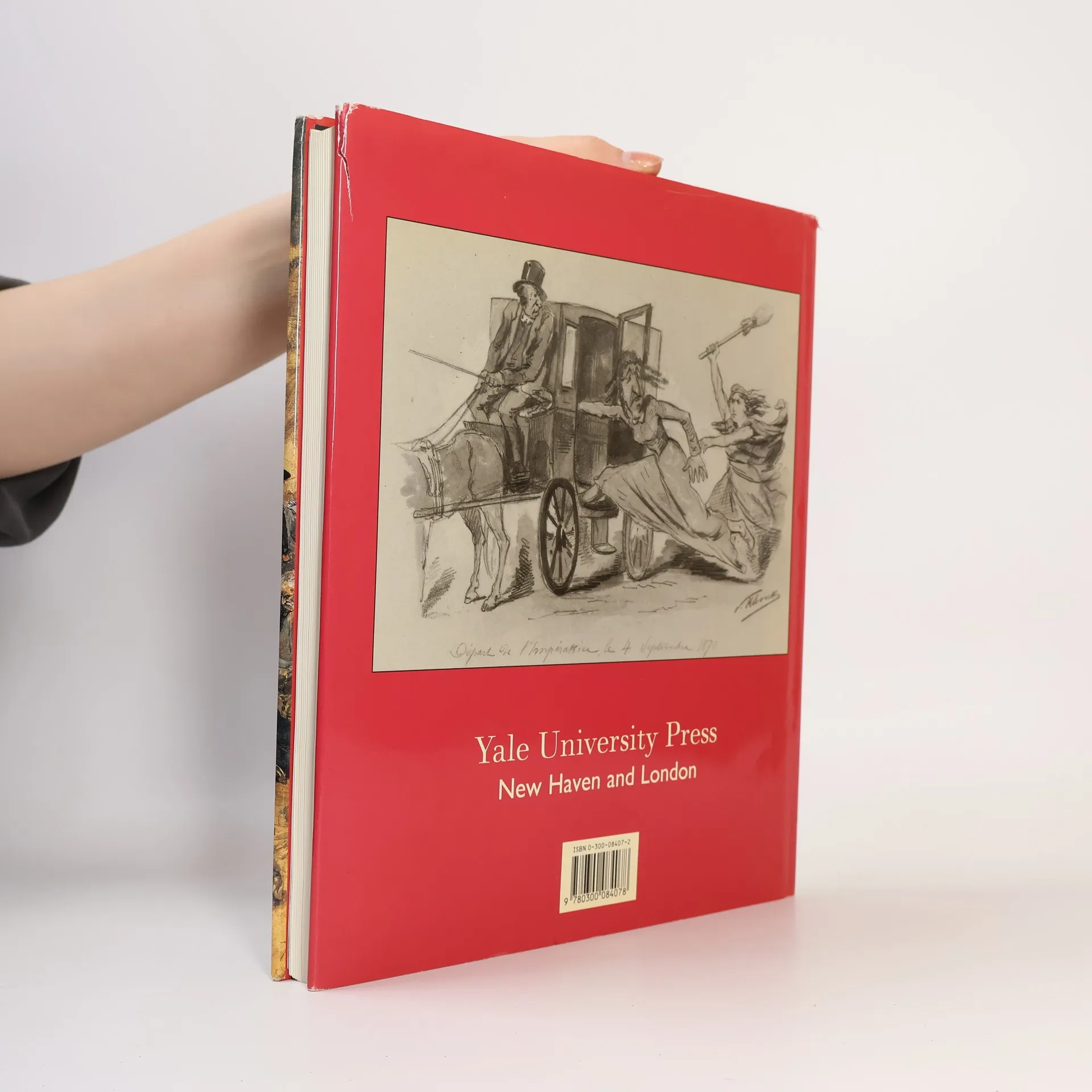
- Yale University Press
- Rok wydania
- 2000
- Oprawa
- twarda
- Liczba stron
- 256
- ISBN10
- 0300084072
- ISBN13
- 9780300084078
- Seria
- Kategorie
- Tagi
- Tematy historyczne, Sztuka, USA, Francja, Europa, Literatura fachowa, Historia sztuki, Historia Europy, Teorie polityczne, Paryż, Zachodnia Europa
- Ocena
- 4 z 5
- Opis
- During a brief and violent ten-month period between 1870 and 1871, the last Napoleonic empire fell, France faced a devastating war with Prussia, Paris was besieged, and the Paris Commune revolted, only to be suppressed by a new Republic. This engrossing exploration examines how artists responded to these tumultuous events. John Milner delves into the significance of the war and the Commune for artists, highlighting how they shaped public perception and interpretation of these occurrences. He outlines the shifting roles of artists during this time. Under Napoleon III, they received significant commissions and contributed to the imperial image. As war erupted, artists drafted for duty documented its horrors, becoming politically engaged, with some supporting the emperor while others opposed him. Following the war, the Paris Commune pitted French citizens against one another. Artists like Gustave Courbet identified as Communards, rejecting the government and creating impactful works that depicted the brutal suppression of the Commune. This period called for a new portrayal of the Republic, military defeat, and the Commune's significance, offering artists opportunities to reinterpret history. John Milner is a professor of art history at the University of Newcastle and has authored several works on art history.