

Więcej o książce
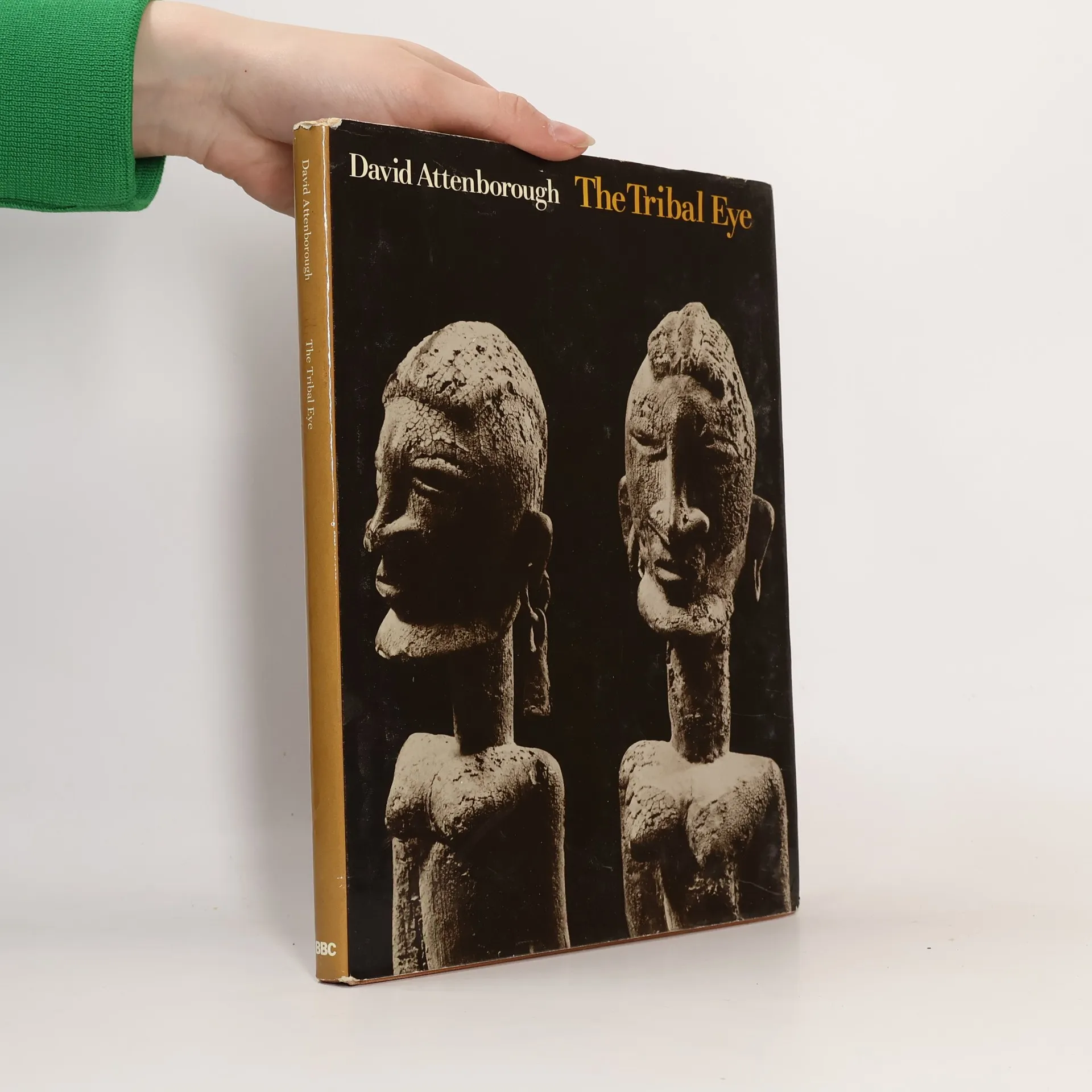
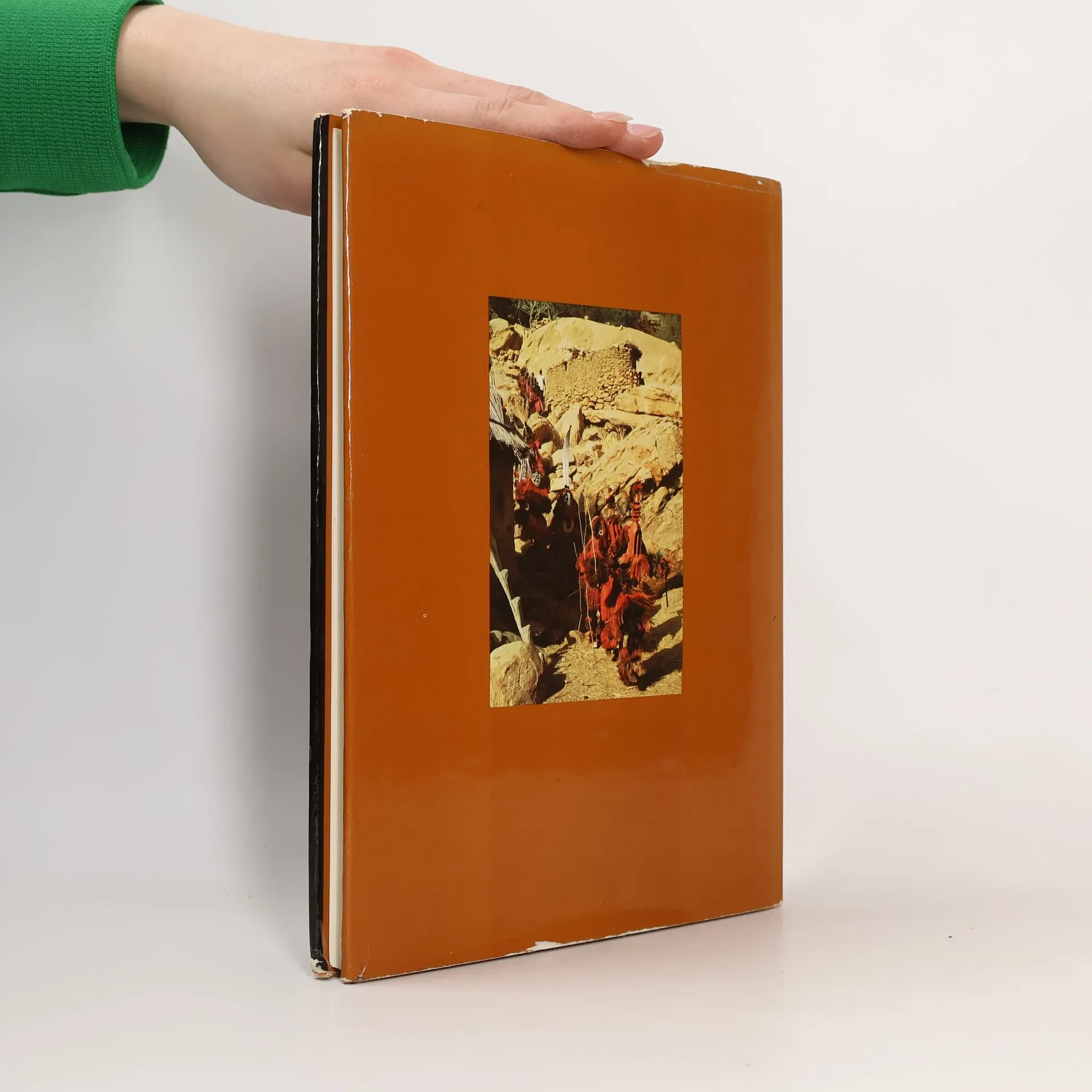
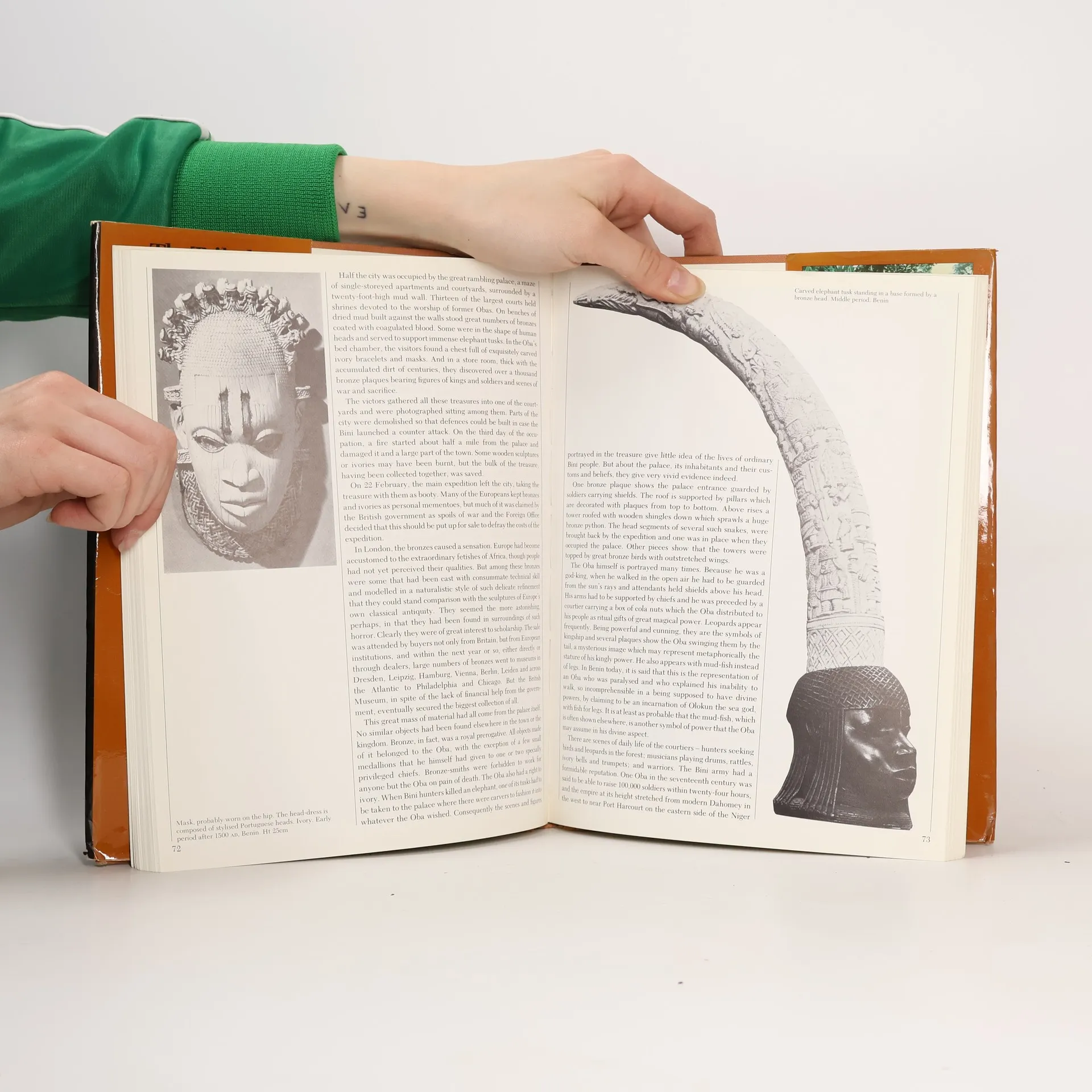
During this century the work of tribal artists has come to be taken seriously - as art, not just as ethnographic evidence. But while the look of a mask or figure has an immediate impact the intentions of the maker and the meaning it had in its original context are often obscure. In this book - as in the television films which it is based on - David Attenborough enriches our understanding by describing the making and use of tribal art in some of the few places where traditions are, more or less, intact. There are chapters on the Dogon - master mask makers, smiths and builders, on the tribes of the American North-west, who still carve poles and dance masks, on cult houses in Melanesia, bronze-casting in West Africa, and rug-making among the nomads of Iran. Sometimes the evidence is lost - in South America there are only tiny remnants of the pre-Columbian cultures: the chapter on their gold work must look backward to get some notion of the societies which produced it. The last chapter looks at what happens to tribal art when the culture that supported it breaks down under the pressures of trade, other cultures and colonisation. The illustrations - from the field and of museum objects - work together to make the book a splendid celebration of the richness of tribal culture.
Zakup książki
The Tribal Eye, David Attenborough
- Język

- Rok wydania
- 1976
- Oprawa
- (twarda)
Metody płatności
Brakuje nam tutaj Twojej recenzji.
- Tytuł
- The Tribal Eye
- Język
- angielski
- Autorzy
- David Attenborough
- Wydawca
- BBC Books
- Rok wydania
- 1976
- Oprawa
- twarda
- Liczba stron
- 144
- ISBN10
- 0563170050
- ISBN13
- 9780563170051
- Seria
- Tagi
- Sztuka
- Ocena
- 4,45 z 5
- Opis
- During this century the work of tribal artists has come to be taken seriously - as art, not just as ethnographic evidence. But while the look of a mask or figure has an immediate impact the intentions of the maker and the meaning it had in its original context are often obscure. In this book - as in the television films which it is based on - David Attenborough enriches our understanding by describing the making and use of tribal art in some of the few places where traditions are, more or less, intact. There are chapters on the Dogon - master mask makers, smiths and builders, on the tribes of the American North-west, who still carve poles and dance masks, on cult houses in Melanesia, bronze-casting in West Africa, and rug-making among the nomads of Iran. Sometimes the evidence is lost - in South America there are only tiny remnants of the pre-Columbian cultures: the chapter on their gold work must look backward to get some notion of the societies which produced it. The last chapter looks at what happens to tribal art when the culture that supported it breaks down under the pressures of trade, other cultures and colonisation. The illustrations - from the field and of museum objects - work together to make the book a splendid celebration of the richness of tribal culture.