

Parametry
- 214 stron
- 8 godzin czytania
Więcej o książce
How do international norms evolve? In the modern era, the critically important norm of sovereignty has evolved from a norm once considered absolute to one deemed conditional-to the point where states now risk external intervention if they flout other core norms of national conduct. In Changing Norms through Actions , Jennifer Ramos argues that commitment to international norms depends on the result of actions taken on their behalf. Focusing on the norm of sovereignty, she argues that where intervention does occur, the implications for sovereignty depend on the outcome of the military action. Examining several cases of intervention in support of counterterrorism and human rights, Ramos finds that even when a major power acts primarily out of its own self-interest, the action can unintentionally modify the normative environment within which other states act. Even more surprising, Ramos shows that an arduous military involvement actually strengthens an intervener's commitment to thenorm of limited and conditional sovereignty that justified the action. Changing Norms through Actions clearly and skillfully examines the profound international implications of our shifting understanding of sovereignty.
Zakup książki
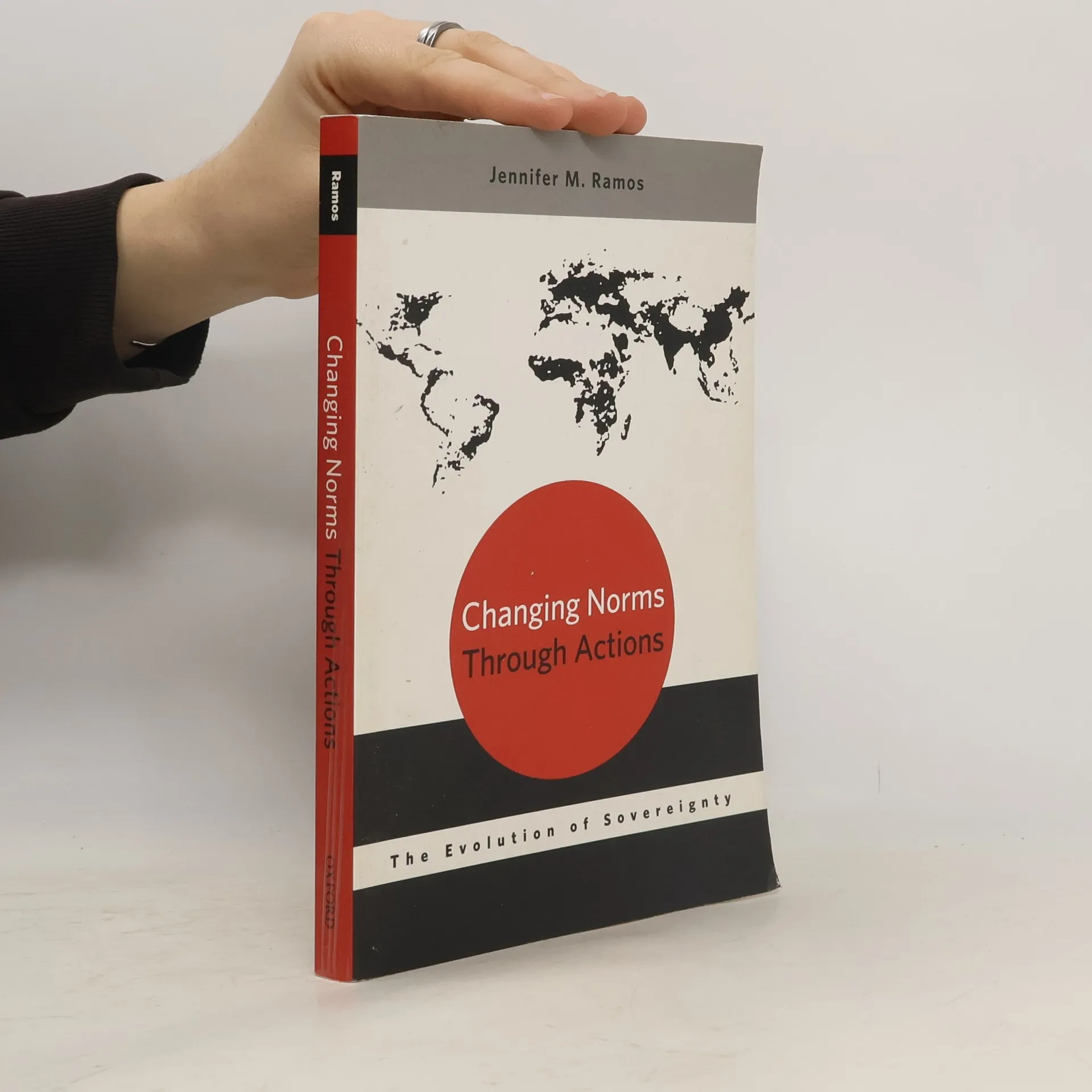
Changing Norms Through Actions, Jennifer M. Ramos
- Język

- Rok wydania
- 2013
- Oprawa
- (miękka)
Metody płatności
Nikt jeszcze nie ocenił.
- Tytuł
- Changing Norms Through Actions
- Podtytuł
- The Evolution of Sovereignty
- Język
- angielski
- Autorzy
- Jennifer M. Ramos
- Wydawca
- Oxford University Press
- Rok wydania
- 2013
- Oprawa
- miękka
- Liczba stron
- 214
- ISBN10
- 0199924864
- ISBN13
- 9780199924868
- Seria
- Tagi
- Tematy historyczne, Tematy prawne, USA, Teorie polityczne, XXI wiek, Stosunki międzynarodowe, Prawa człowieka, Dyplomacja, Polityka Światowa
- Opis
- How do international norms evolve? In the modern era, the critically important norm of sovereignty has evolved from a norm once considered absolute to one deemed conditional-to the point where states now risk external intervention if they flout other core norms of national conduct. In Changing Norms through Actions , Jennifer Ramos argues that commitment to international norms depends on the result of actions taken on their behalf. Focusing on the norm of sovereignty, she argues that where intervention does occur, the implications for sovereignty depend on the outcome of the military action. Examining several cases of intervention in support of counterterrorism and human rights, Ramos finds that even when a major power acts primarily out of its own self-interest, the action can unintentionally modify the normative environment within which other states act. Even more surprising, Ramos shows that an arduous military involvement actually strengthens an intervener's commitment to thenorm of limited and conditional sovereignty that justified the action. Changing Norms through Actions clearly and skillfully examines the profound international implications of our shifting understanding of sovereignty.