

Więcej o książce
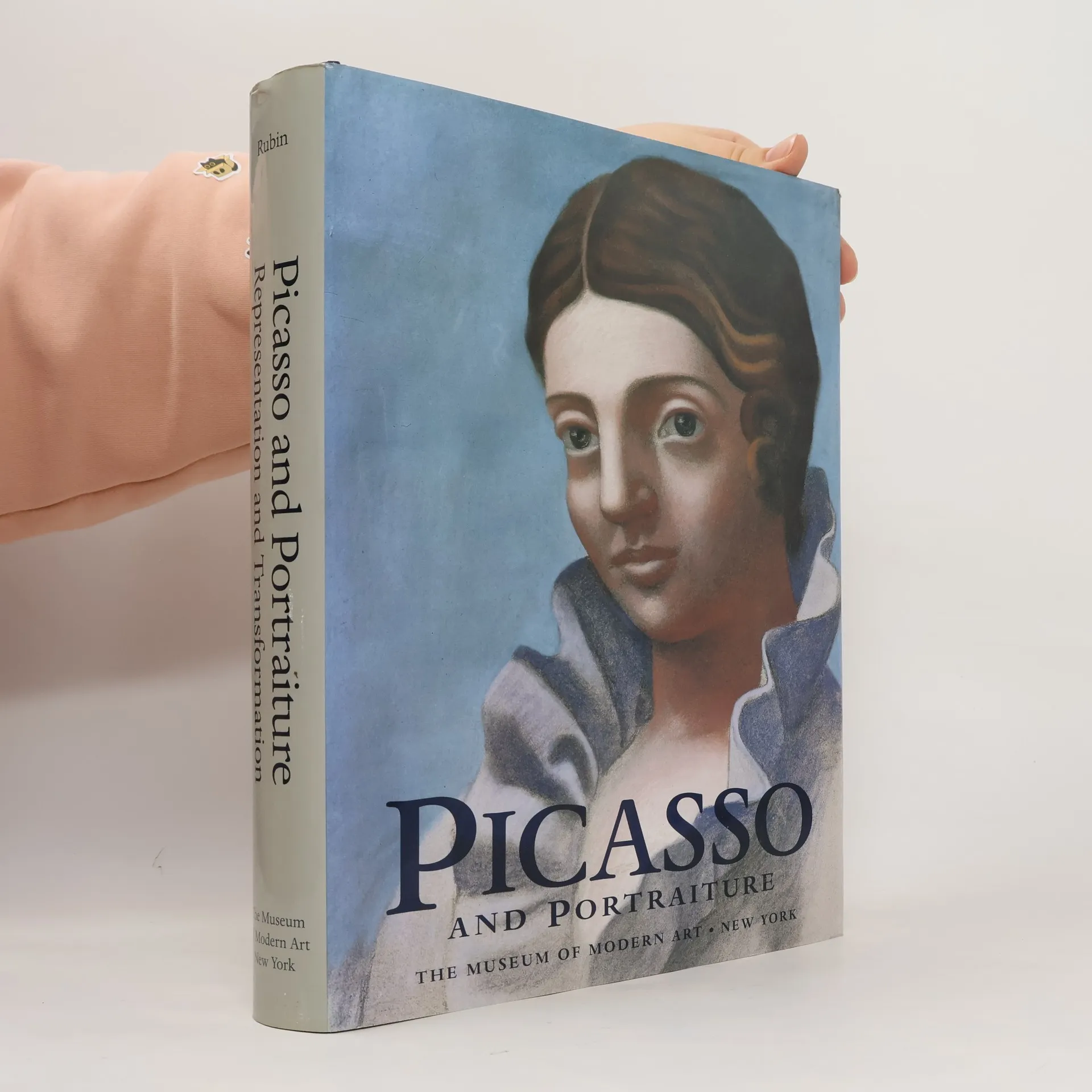
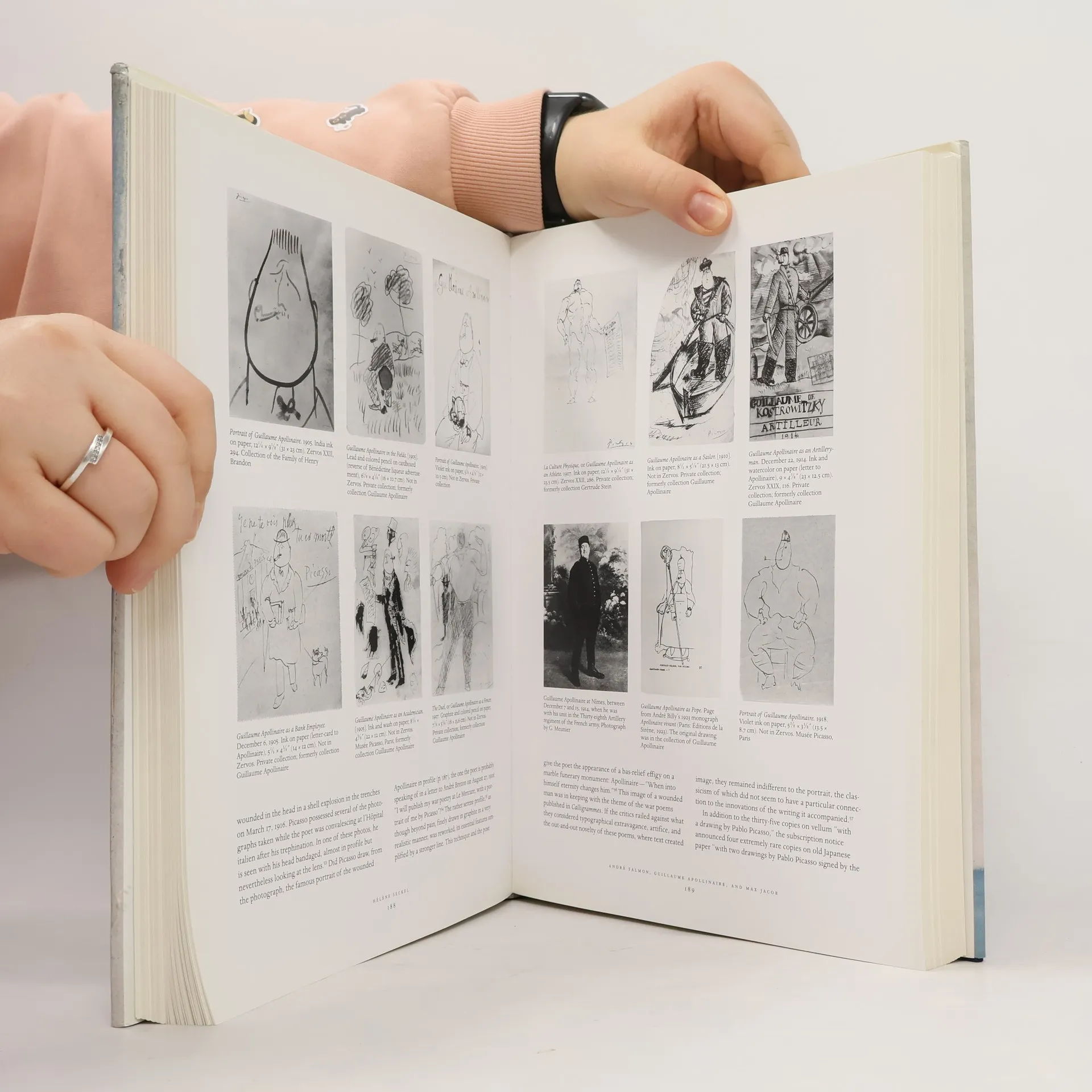
Picasso's portraits display an astonishing range of moods, styles, personalities and approaches, whether abstract, surreal, cubist, classical or expressionist, as revealed by this resplendently illustrated catalogue of an exhibition at Manhattan's Museum of Modern Art. In the opening essay, Rubin, director emeritus of MOMA's painting and sculpture department, explores how Picasso's portraits served as a screen for his psychological projections and symbolic references to members of his ever-changing entourage. Eight essays by noted critics, including Pierre Daix, Robert Rosenblum, Brigitte Leal and Kirk Varnedoe, emphasize the central role of Picasso's women in his protean portraiture. Blonde muse Marie-Therese Walter, with whom he had a clandestine affair from the mid-1920s to 1933, underwent constant transformations, from instantly recognizable face to mythical goddess. Dora Maar inspired tragic grotesques, while mistress Fernande Olivier appears in many guises, and Francoise Gilot, the young painter whom he met in 1943, triggered images of dread and anxiety in his postwar canvases. Extraordinary self-portraits run the gamut from cocksure bravado to comedic apelike self-caricature. This album is a revelation. Copyright 1996 Reed Business Information, Inc.
Zakup książki
Picasso and Portraiture, William Rubin
- Język

- Rok wydania
- 1996
- Oprawa
- (twarda)
Metody płatności
Brakuje nam tutaj Twojej recenzji.
- Tytuł
- Picasso and Portraiture
- Podtytuł
- Representation and Transformation
- Język
- angielski
- Autorzy
- William Rubin
- Wydawca
- Abrams, N
- Rok wydania
- 1996
- Oprawa
- twarda
- Liczba stron
- 496
- ISBN10
- 0870701436
- ISBN13
- 9780870701436
- Seria
- Ocena
- 4,65 z 5
- Opis
- Picasso's portraits display an astonishing range of moods, styles, personalities and approaches, whether abstract, surreal, cubist, classical or expressionist, as revealed by this resplendently illustrated catalogue of an exhibition at Manhattan's Museum of Modern Art. In the opening essay, Rubin, director emeritus of MOMA's painting and sculpture department, explores how Picasso's portraits served as a screen for his psychological projections and symbolic references to members of his ever-changing entourage. Eight essays by noted critics, including Pierre Daix, Robert Rosenblum, Brigitte Leal and Kirk Varnedoe, emphasize the central role of Picasso's women in his protean portraiture. Blonde muse Marie-Therese Walter, with whom he had a clandestine affair from the mid-1920s to 1933, underwent constant transformations, from instantly recognizable face to mythical goddess. Dora Maar inspired tragic grotesques, while mistress Fernande Olivier appears in many guises, and Francoise Gilot, the young painter whom he met in 1943, triggered images of dread and anxiety in his postwar canvases. Extraordinary self-portraits run the gamut from cocksure bravado to comedic apelike self-caricature. This album is a revelation. Copyright 1996 Reed Business Information, Inc.