

Ocena książki
Parametry
- 96 stron
- 4 godziny czytania
Więcej o książce
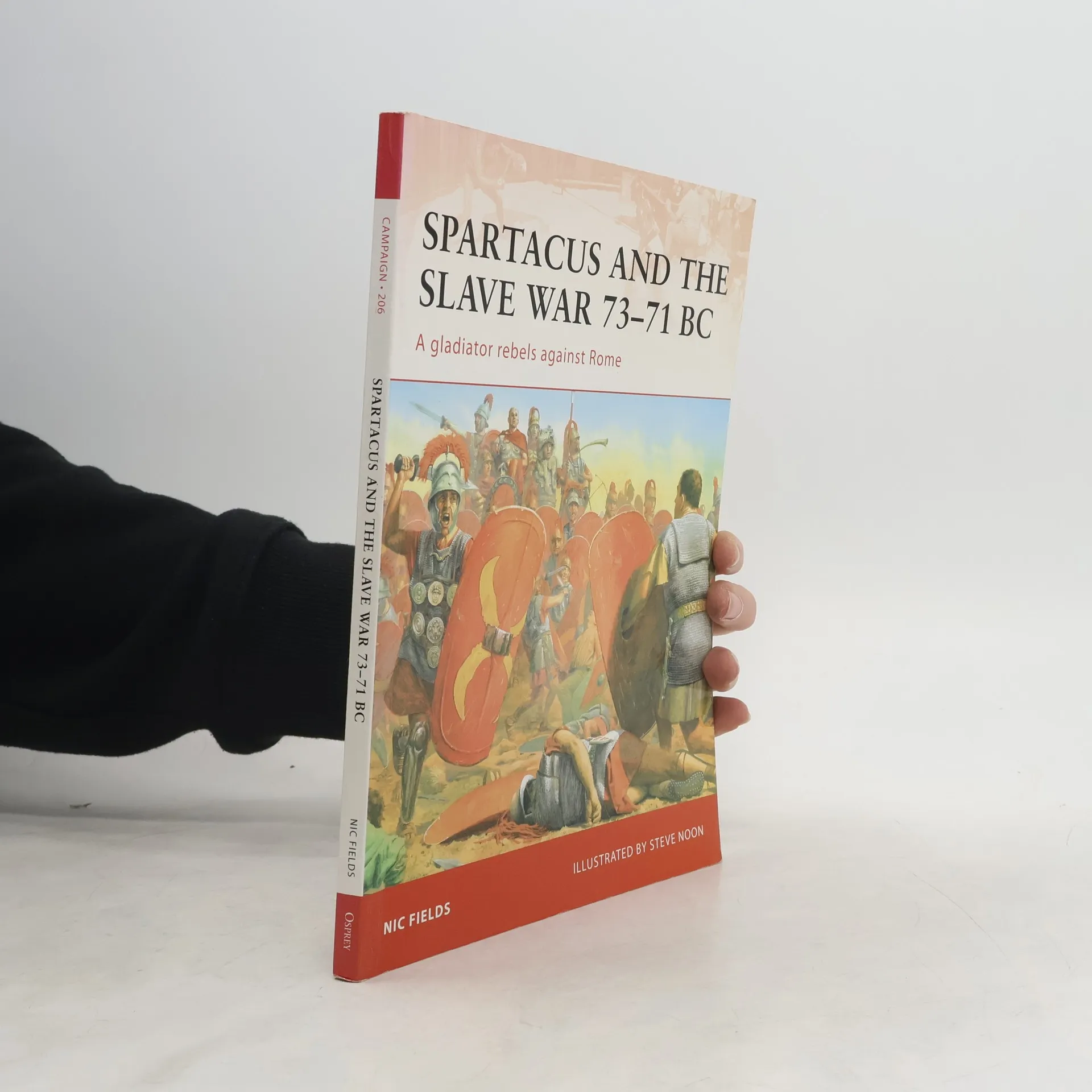
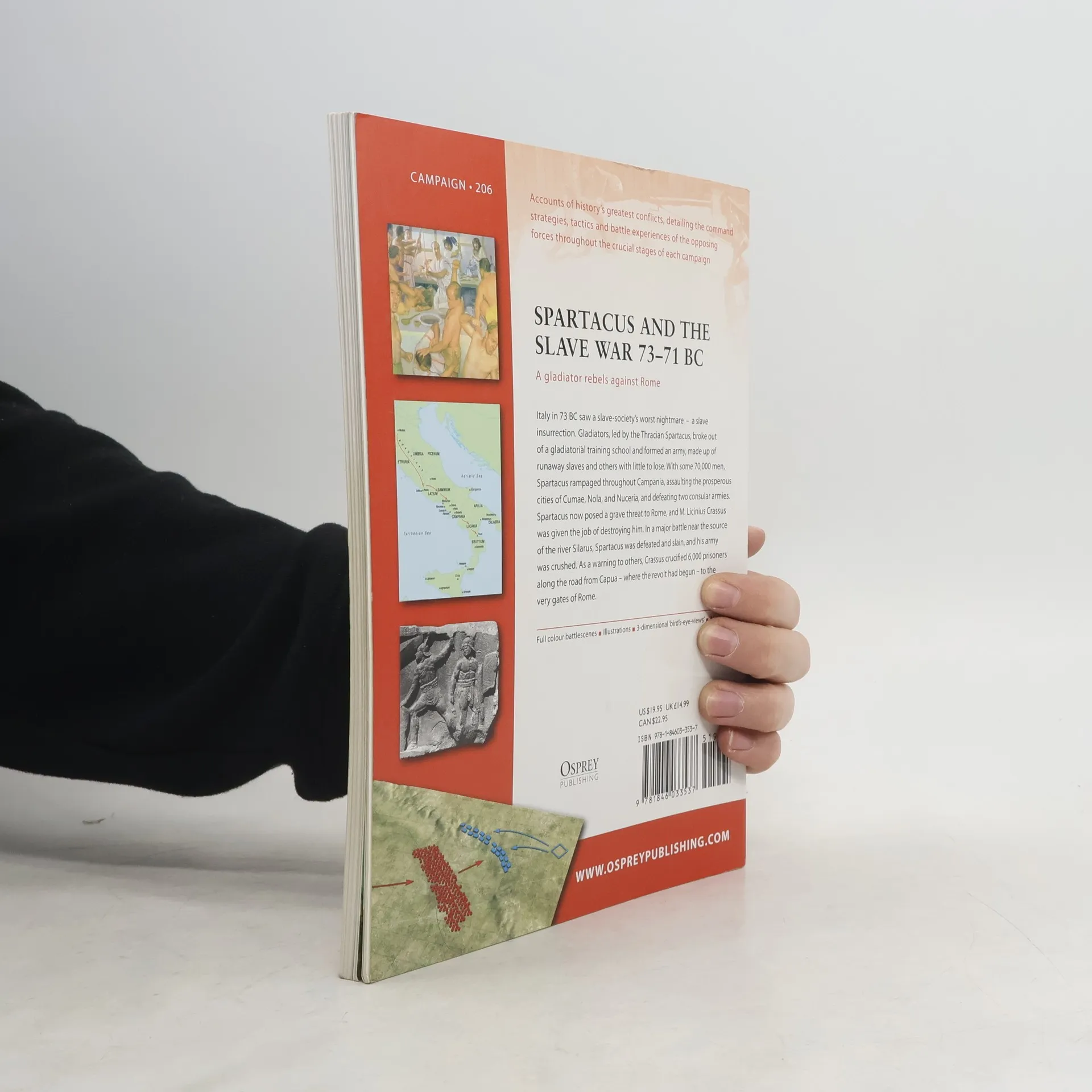
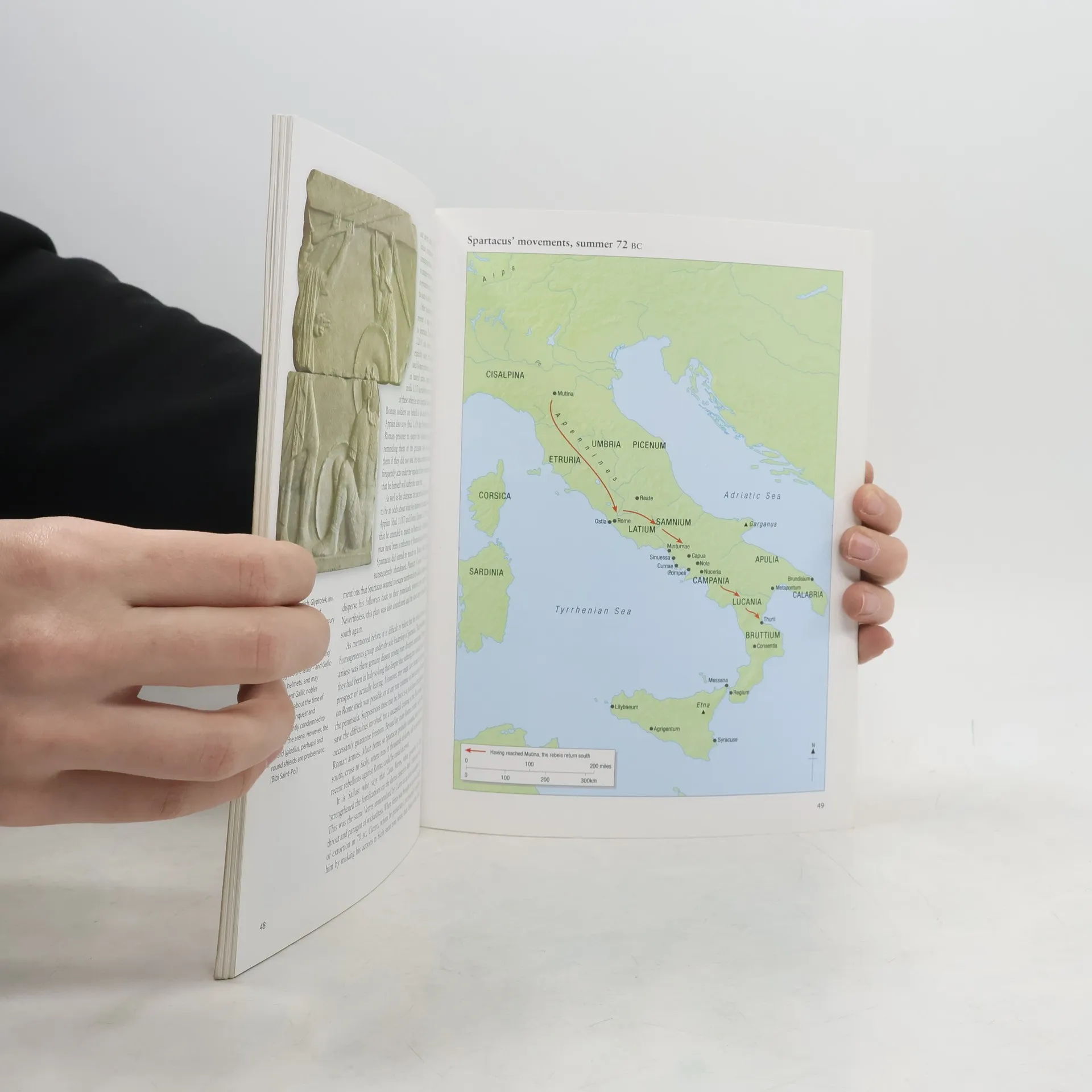
This Osprey Campaign title brings to life the story of Rome's most famous revolt, the Slave War (73-71 BC), and the ex-gladiator who led it. In the year 73 BC, the Thracian Spartacus broke out of the gladiatorial training school at Capua in Campainia. A charismatic leader, Spartacus formed an army of runaway slaves and people with little to lose, and defeated the Roman troops under the praetor C. Claudius Glaber. With this minor victory, Spartacus' army swelled to 70,000 and rampaged throughout Campania assaulting a number of cities and defeating two consular armies.Terrified lest the revolt spread across the republic, the government assigned M. Licinius Crassus the task of crushing the revolt. Crassus' first attempt to capture Spartacus failed, and the Roman senate called upon Pompey to help him. Together, they cornered Spartacus and brought him to battle near the source of the river Silarus. During the battle, Spartacus was killed and his army defeated. Crassus crucified 6,000 prisoners as an example to others who might think of revolt.
Zakup książki
Campaign - 206: Spartacus and the Slave War 73–71 BC, Nic Fields, Steve Noon
- Język

- Rok wydania
- 2009
- Oprawa
- (miękka)
Metody płatności
Brakuje nam tutaj Twojej recenzji.
- Tytuł
- Campaign - 206: Spartacus and the Slave War 73–71 BC
- Podtytuł
- A Gladiator Rebels Against Rome
- Język
- angielski
- Autorzy
- Nic Fields, Steve Noon
- Wydawca
- Osprey Publishing
- Rok wydania
- 2009
- Oprawa
- miękka
- Liczba stron
- 96
- ISBN10
- 1846033535
- ISBN13
- 9781846033537
- Seria
- Kategorie
- Tagi
- Tematy historyczne, Fikcja wojenna, Starożytność, Rzym, Starożytny Rzym, Strategia, Bitwy, Bunt & Powstanie, Niewolnicy, Spartakus
- Ocena
- 3,9 z 5
- Opis
- This Osprey Campaign title brings to life the story of Rome's most famous revolt, the Slave War (73-71 BC), and the ex-gladiator who led it. In the year 73 BC, the Thracian Spartacus broke out of the gladiatorial training school at Capua in Campainia. A charismatic leader, Spartacus formed an army of runaway slaves and people with little to lose, and defeated the Roman troops under the praetor C. Claudius Glaber. With this minor victory, Spartacus' army swelled to 70,000 and rampaged throughout Campania assaulting a number of cities and defeating two consular armies.Terrified lest the revolt spread across the republic, the government assigned M. Licinius Crassus the task of crushing the revolt. Crassus' first attempt to capture Spartacus failed, and the Roman senate called upon Pompey to help him. Together, they cornered Spartacus and brought him to battle near the source of the river Silarus. During the battle, Spartacus was killed and his army defeated. Crassus crucified 6,000 prisoners as an example to others who might think of revolt.