

Więcej o książce
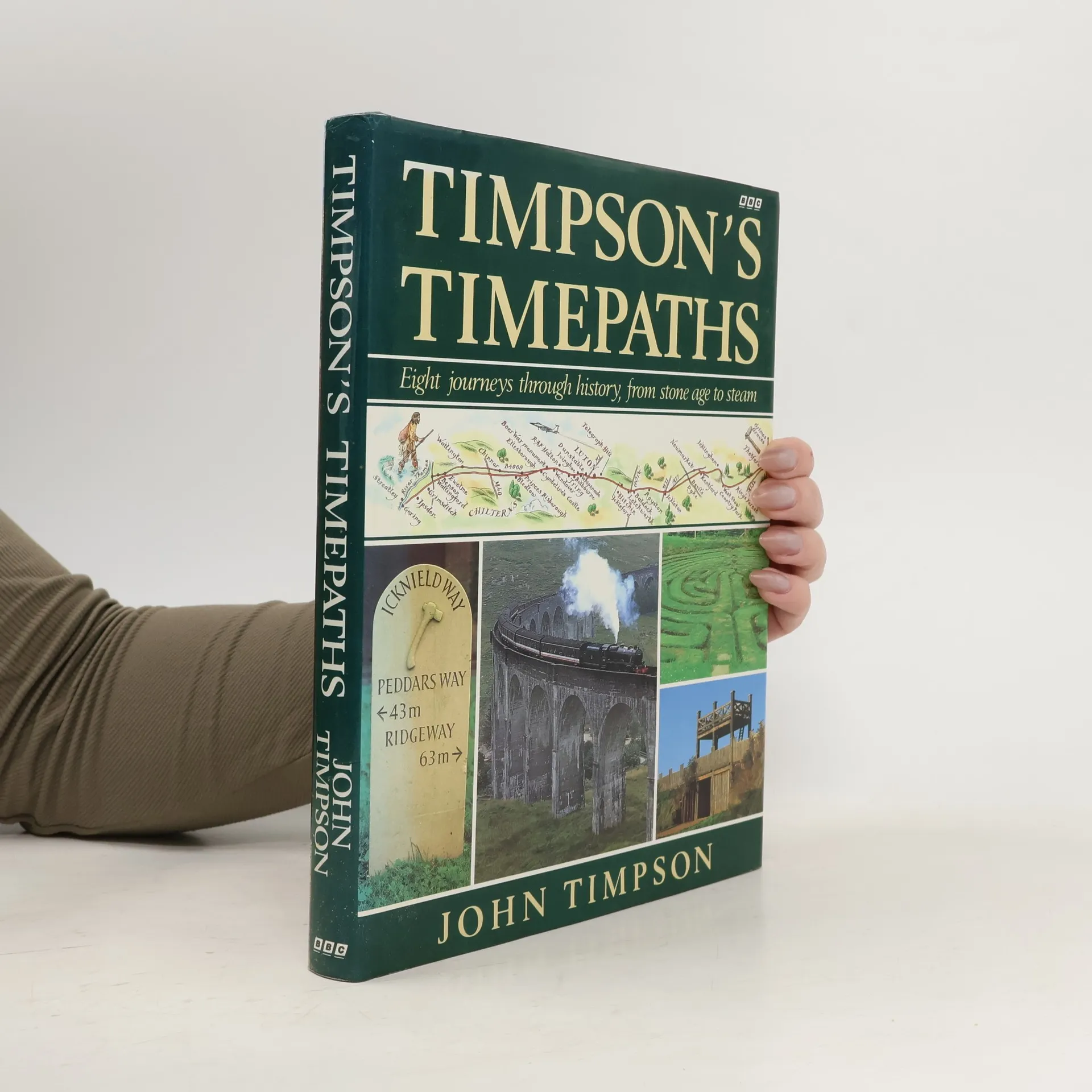
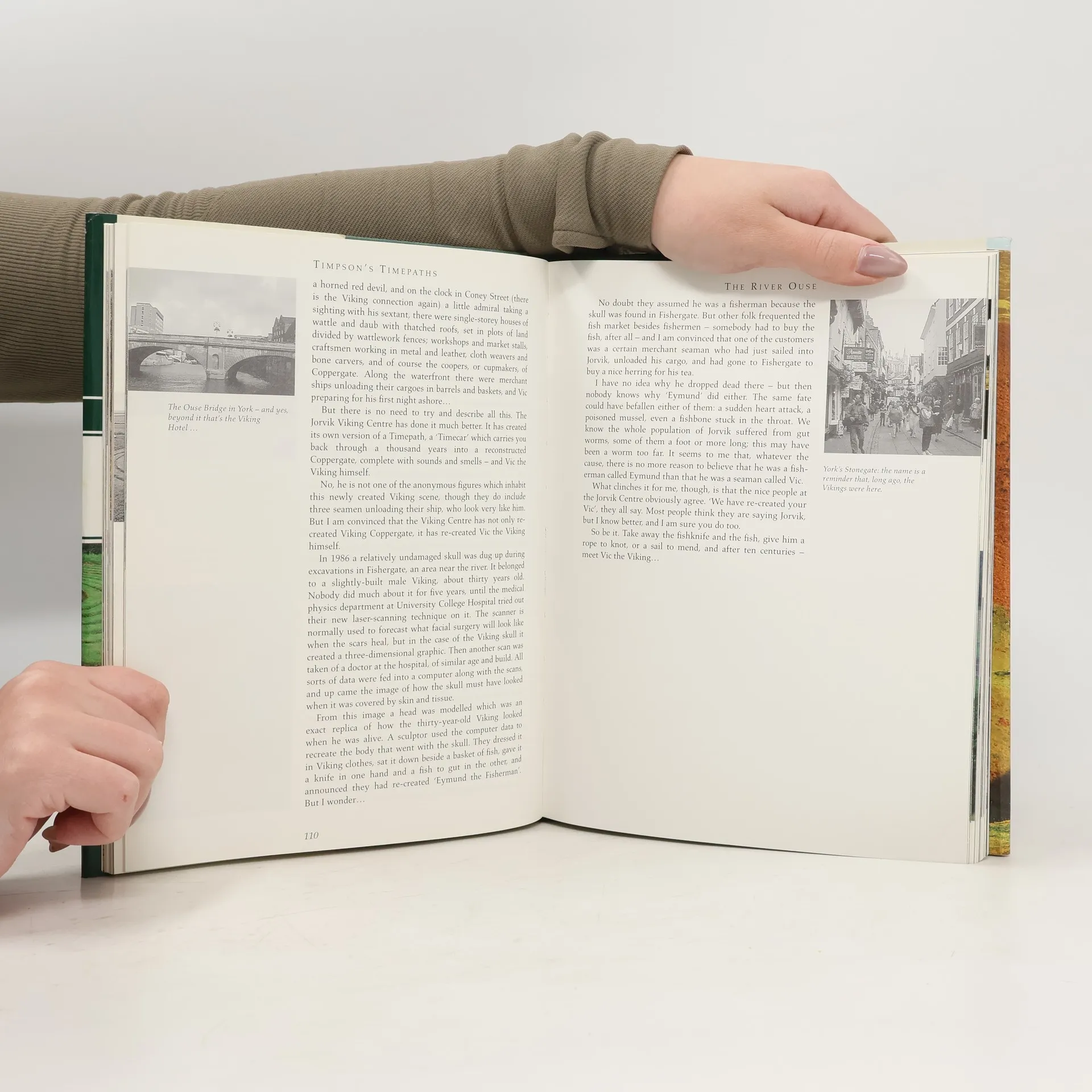
Every era in history has produced its own "king" of the transport network, its paths. These routes have opened up the once remote areas of Britain and caused drastic changes in the lives of the local people. John Timpson travels along eight "time paths" in different parts of Britain, picking out the more unusual aspects of the places they pass through. He follows them, where it is still possible, and discovers what has happened to them today, often looking at them through the eyes of the early travellers. The routes covered the Icknield Way (the prehistoric track) from Norfolk to the Berkshire Downs; the Fosse Way, a Roman military highway from the Devon Coast to Lincoln; the River Ouse used by the Vikings to capture and colonize York and the countryside around it; the Corpse Trail in Swaledale, the track along which bodies were carried for burial in the Middle Ages; the Welsh Road, the main drovers' route from mid-Wales to Smithfield Market; the Wey and Arun Canal which used to link Portsmouth with the Thames; the Mailcoach Run from London to Aberystwyth; and the "Mallaig Extension", built at the turn of the century to link the West Highlands of Scotland with the coast. The epilogue looks at the M40 extension, showing how it changed the landscape, and the effects of new roads and new domestic air routes.
Zakup książki
Timpson's Time Paths, John Timpson
- Język

- Rok wydania
- 1994
- Oprawa
- (twarda)
Metody płatności
Nikt jeszcze nie ocenił.
- Tytuł
- Timpson's Time Paths
- Podtytuł
- Journeys Through History From the Stone Age to Steam
- Język
- angielski
- Autorzy
- John Timpson
- Wydawca
- BBC Books
- Rok wydania
- 1994
- Oprawa
- twarda
- Liczba stron
- 256
- ISBN10
- 0563367911
- ISBN13
- 9780563367918
- Seria
- Kategorie
- Opis
- Every era in history has produced its own "king" of the transport network, its paths. These routes have opened up the once remote areas of Britain and caused drastic changes in the lives of the local people. John Timpson travels along eight "time paths" in different parts of Britain, picking out the more unusual aspects of the places they pass through. He follows them, where it is still possible, and discovers what has happened to them today, often looking at them through the eyes of the early travellers. The routes covered the Icknield Way (the prehistoric track) from Norfolk to the Berkshire Downs; the Fosse Way, a Roman military highway from the Devon Coast to Lincoln; the River Ouse used by the Vikings to capture and colonize York and the countryside around it; the Corpse Trail in Swaledale, the track along which bodies were carried for burial in the Middle Ages; the Welsh Road, the main drovers' route from mid-Wales to Smithfield Market; the Wey and Arun Canal which used to link Portsmouth with the Thames; the Mailcoach Run from London to Aberystwyth; and the "Mallaig Extension", built at the turn of the century to link the West Highlands of Scotland with the coast. The epilogue looks at the M40 extension, showing how it changed the landscape, and the effects of new roads and new domestic air routes.