

Parametry
- 96 stron
- 4 godziny czytania
Więcej o książce
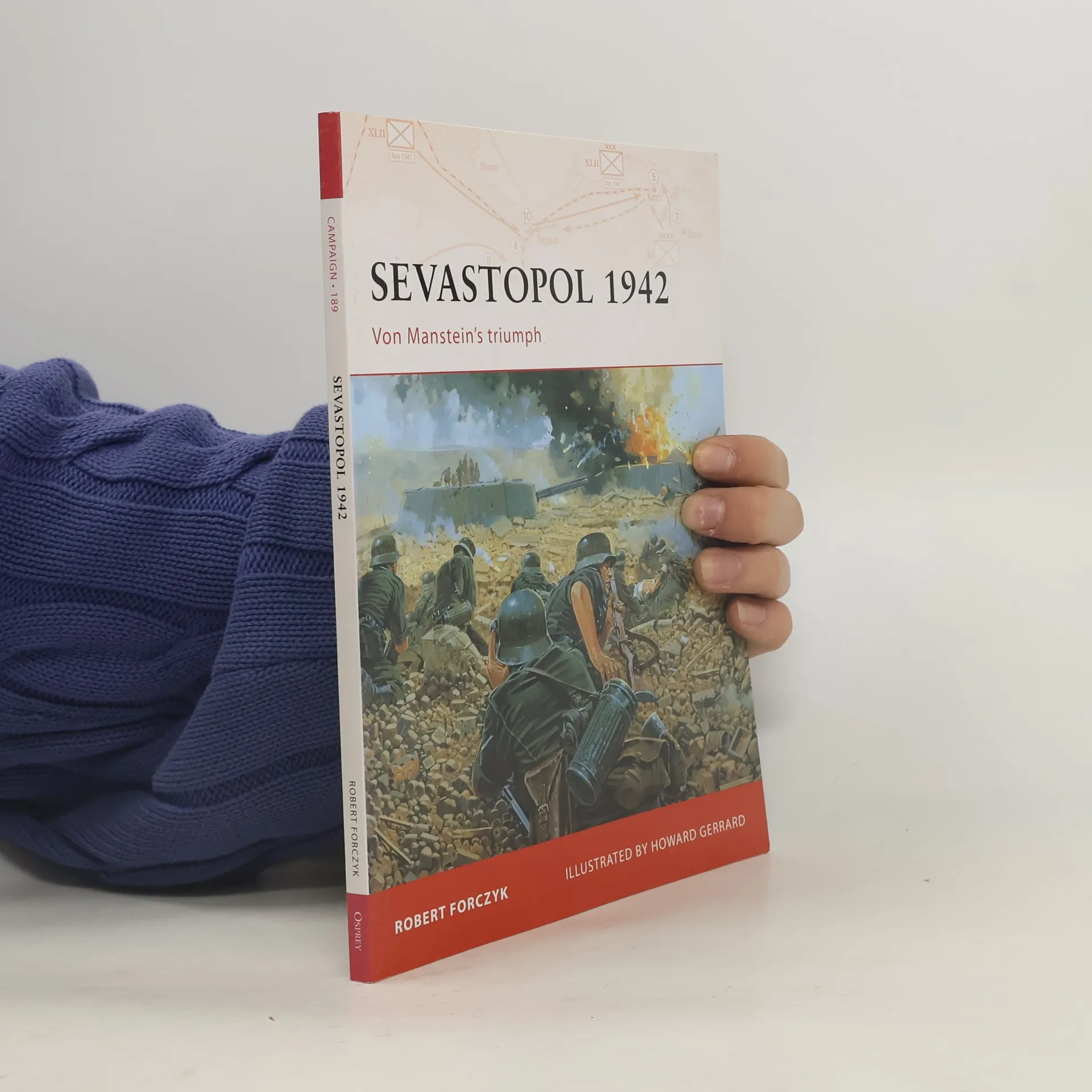
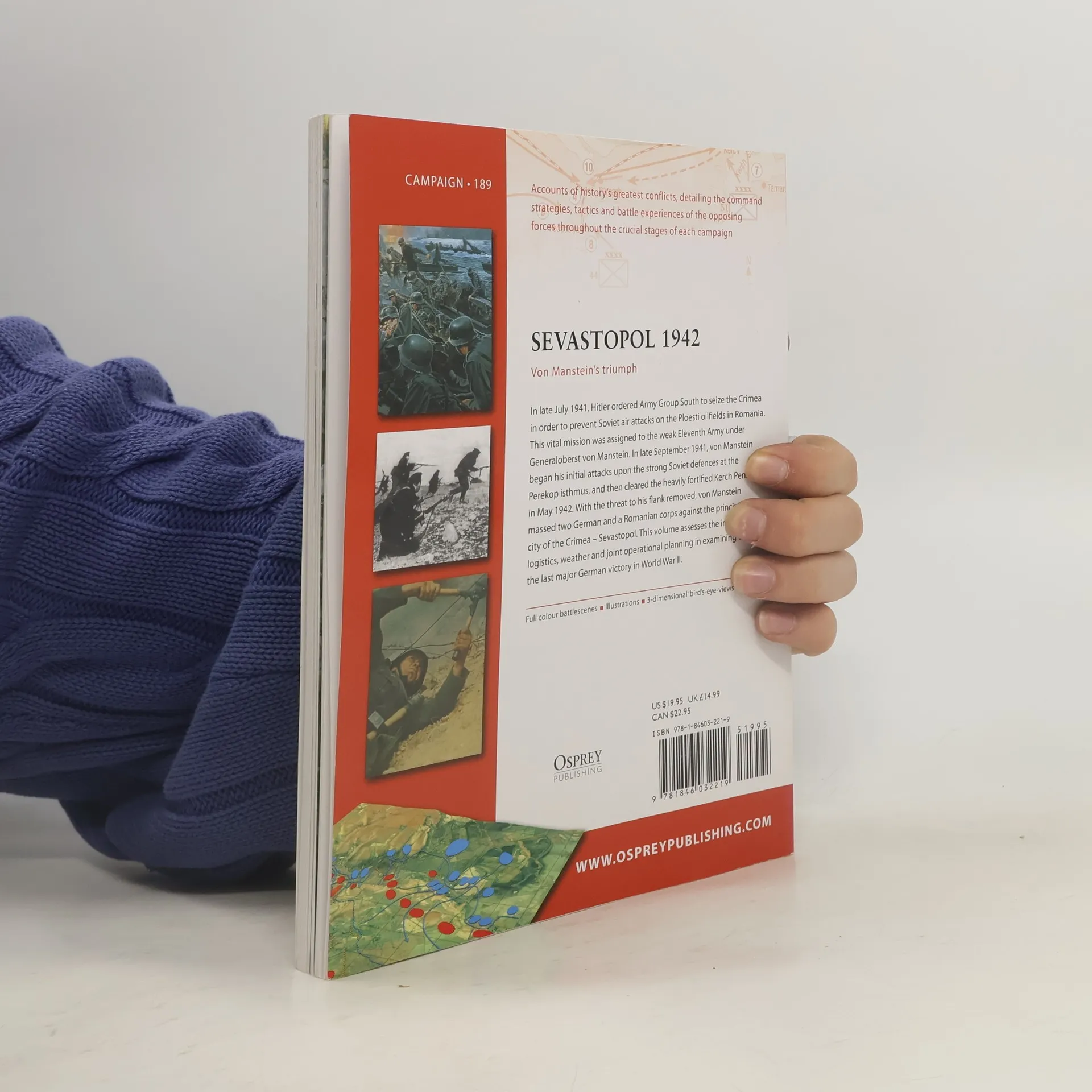
In late July 1941, Hitler ordered Army Group South to seize the Crimea as part of its operations to secure the Ukraine and the Donets Basin, in order to protect the vital Romanian oil refineries at Ploesti from Soviet air attack. After weeks of heavy fighting, the Germans breached the Soviet defenses and overran most of the Crimea. By November 1941 the only remaining Soviet foothold in the area was the heavily fortified naval base at Sevastopol.Operation Sturgeon Haul, the final assault on Sevastopol, was one of the very few joint service German operations of World War II, with two German corps and a Romanian corps supported by a huge artillery siege train, the Luftwaffe's crack VIII Flieger Korps and a flotilla of S-Boats provided by the Kriegsmarine. This volume closely examines the impact of logistics, weather and joint operational planning upon the last major German victory in World War II (1939-1945).
Zakup książki
Campaign - 189: Sevastopol 1942, Robert Forczyk, Howard Gerrard
- Język

- Rok wydania
- 2008
- Oprawa
- (miękka)
Metody płatności
Brakuje nam tutaj Twojej recenzji.
- Tytuł
- Campaign - 189: Sevastopol 1942
- Podtytuł
- Von Manstein’s Triumph
- Język
- angielski
- Autorzy
- Robert Forczyk, Howard Gerrard
- Wydawca
- Osprey Publishing
- Rok wydania
- 2008
- Oprawa
- miękka
- Liczba stron
- 96
- ISBN10
- 1846032210
- ISBN13
- 9781846032219
- Seria
- Kategorie
- Tagi
- Tematy historyczne, Niemcy, Fikcja wojenna, II Wojna Światowa, Technologia, Europa, Literatura fachowa, Rosja, Ukraina, Strategia, Armia, Bitwy, Krym, Rumuński
- Ocena
- 3,75 z 5
- Opis
- In late July 1941, Hitler ordered Army Group South to seize the Crimea as part of its operations to secure the Ukraine and the Donets Basin, in order to protect the vital Romanian oil refineries at Ploesti from Soviet air attack. After weeks of heavy fighting, the Germans breached the Soviet defenses and overran most of the Crimea. By November 1941 the only remaining Soviet foothold in the area was the heavily fortified naval base at Sevastopol.Operation Sturgeon Haul, the final assault on Sevastopol, was one of the very few joint service German operations of World War II, with two German corps and a Romanian corps supported by a huge artillery siege train, the Luftwaffe's crack VIII Flieger Korps and a flotilla of S-Boats provided by the Kriegsmarine. This volume closely examines the impact of logistics, weather and joint operational planning upon the last major German victory in World War II (1939-1945).