


Ocena książki
Parametry
- 188 stron
- 7 godzin czytania
Więcej o książce
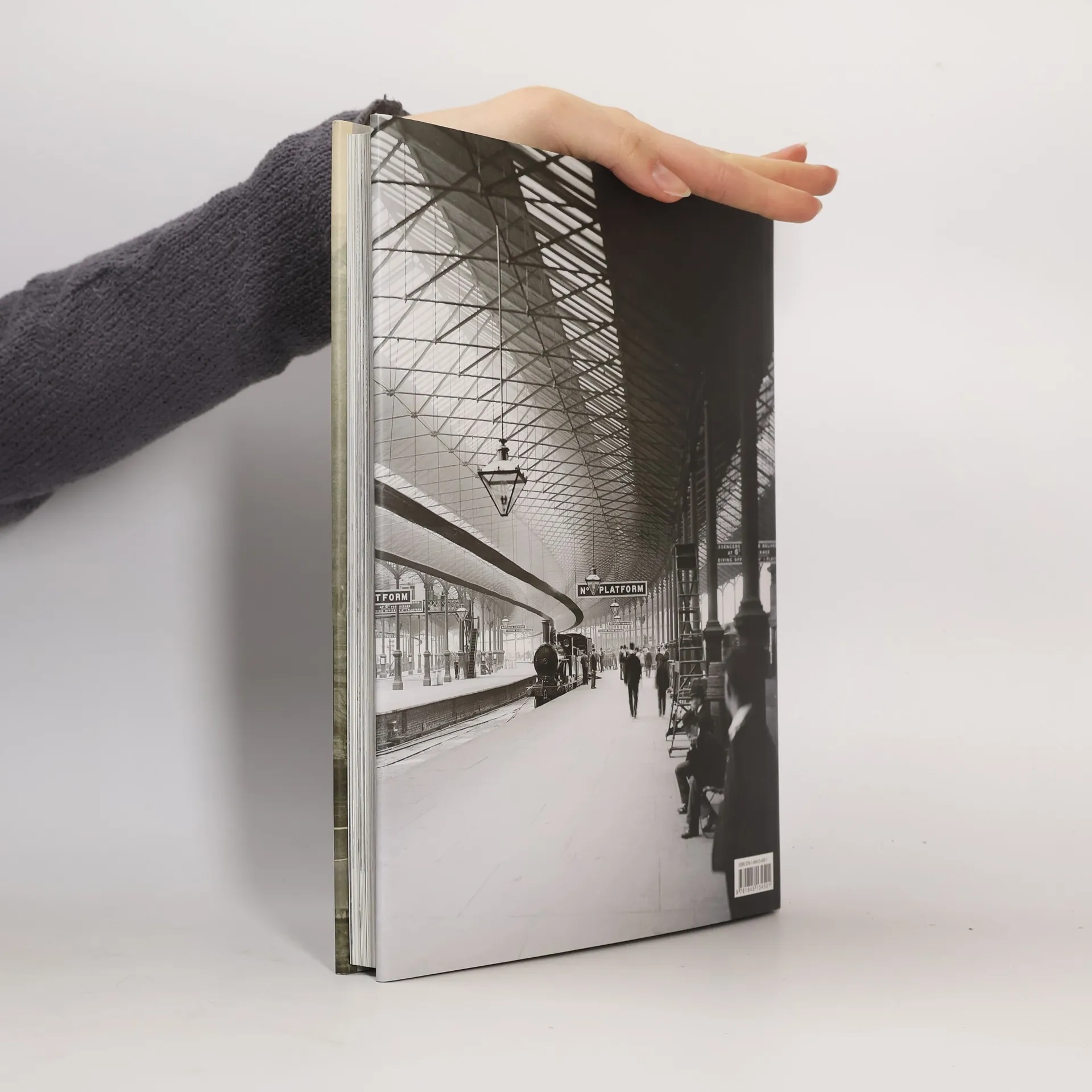
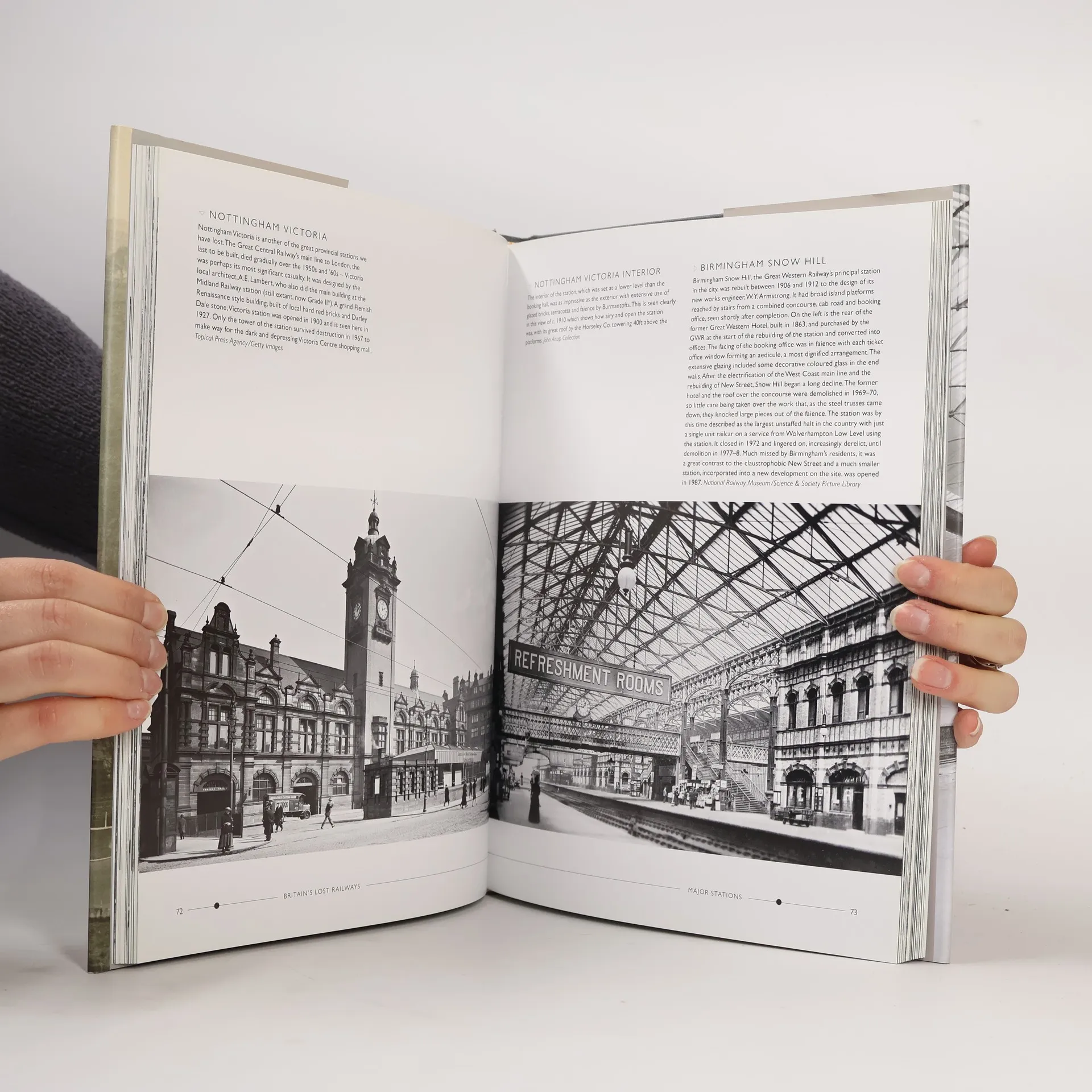
A striking photographic record of how industry cuts and modernisation saw Britain's grand terminal stations, soaring viaducts, and cavernous locomotive works wiped from the landscape Filled with fascinating and often rare images, this collection documents the remarkably rich architectural heritage of British railways, from quaint country halts to distinguished railway hotels—all of which exists now only in photographs. Who would know that the ugly, low concrete bunker of Birmingham New Street station replaced a handsome glass-roofed train shed, that until the 1960s the stupendously high Belah viaduct swept across a remote Cumbrian valley, that the outlet mall in Swindon selling cheap designer clothing used to be the great GWR locomotive works, or that on little bucolic branch lines in the West Country or Essex an old bus body was the waiting-room? The current restoration of St Pancras Station and its Midland Hotel is a glorious exception to a melancholy rule—that the finer the railway architecture, the more likely it was to be demolished in the name of progress.
Zakup książki
Britain's Lost Railways, John Minnis
- Język

- Rok wydania
- 2011
- Oprawa
- (twarda)
Metody płatności
Brakuje nam tutaj Twojej recenzji.
- Tytuł
- Britain's Lost Railways
- Podtytuł
- The Twentieth-Century Destruction of Our Finest Railway Architecture
- Język
- angielski
- Autorzy
- John Minnis
- Wydawca
- Aurum Press Ltd
- Rok wydania
- 2011
- Oprawa
- twarda
- Liczba stron
- 188
- ISBN10
- 1845134508
- ISBN13
- 9781845134501
- Seria
- Kategorie
- Ocena
- 4,2 z 5
- Opis
- A striking photographic record of how industry cuts and modernisation saw Britain's grand terminal stations, soaring viaducts, and cavernous locomotive works wiped from the landscape Filled with fascinating and often rare images, this collection documents the remarkably rich architectural heritage of British railways, from quaint country halts to distinguished railway hotels—all of which exists now only in photographs. Who would know that the ugly, low concrete bunker of Birmingham New Street station replaced a handsome glass-roofed train shed, that until the 1960s the stupendously high Belah viaduct swept across a remote Cumbrian valley, that the outlet mall in Swindon selling cheap designer clothing used to be the great GWR locomotive works, or that on little bucolic branch lines in the West Country or Essex an old bus body was the waiting-room? The current restoration of St Pancras Station and its Midland Hotel is a glorious exception to a melancholy rule—that the finer the railway architecture, the more likely it was to be demolished in the name of progress.