

Więcej o książce
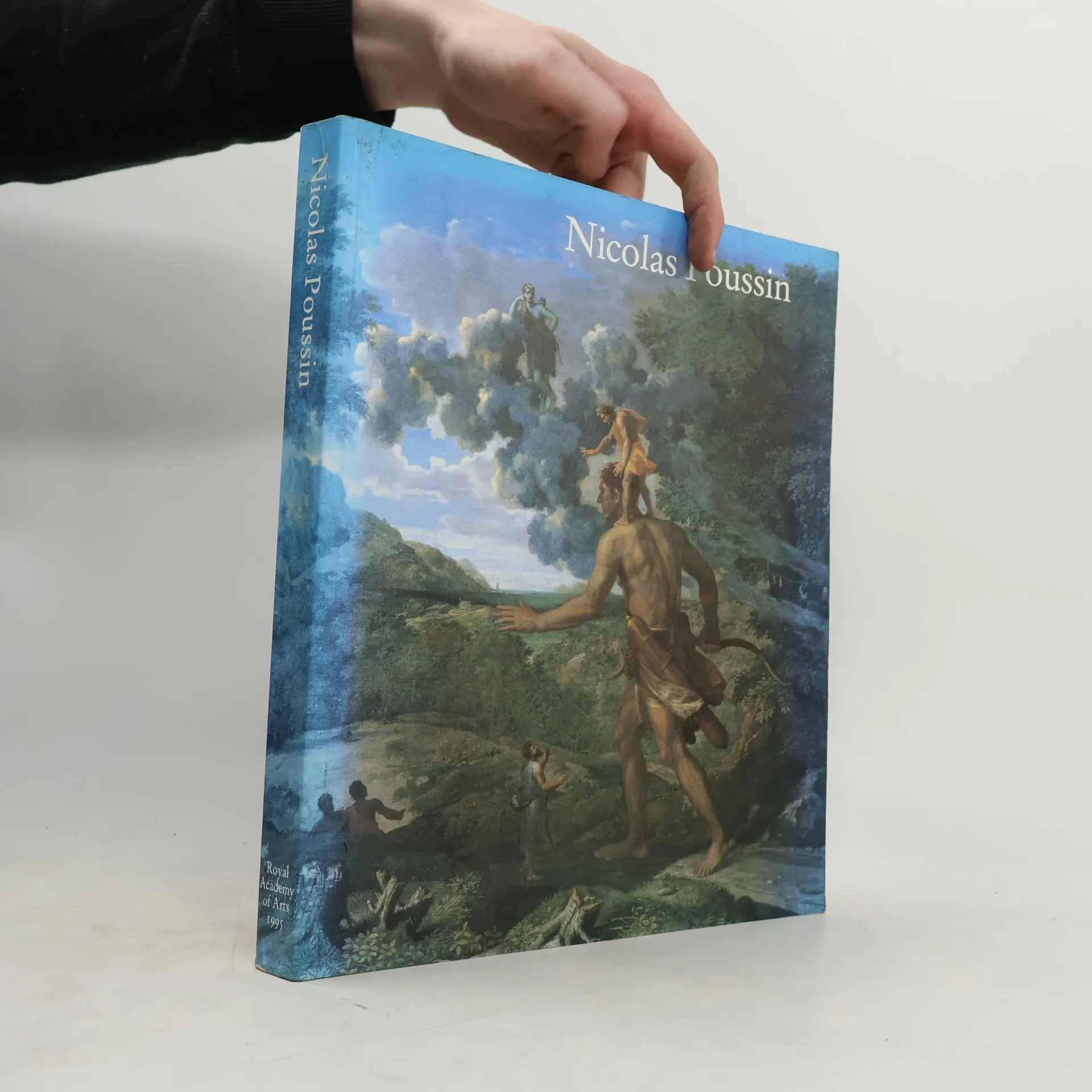
Nicolas Poussin (1594-1665) was the greatest French painter of the 17th century and one of the greatest painters of all time. His understanding of the art of antiquity and of the Italian Renaissance led him to create works of such sophistication, clarity, and discipline that they remained the model for all classicising artists up to Cezanne and even into our own century. Although Poussin's subject matter was largely religious and mythological, it derived from themes and preoccupations that were intensely personal in origin. At the same time, Poussin's study of the countryside around Rome laid the foundations for landscape paintings of heroic grandeur and lyrical beauty. This volume encompasses much recent research on Poussin and explores and clarifies an art that is fundamental to the Western classical tradition.
Zakup książki
Nicolas Poussin 1594-1665, Pierre Rosenberg, Richard Verdi
- Język

- Rok wydania
- 1995
- Oprawa
- (miękka)
Metody płatności
Nikt jeszcze nie ocenił.
- Tytuł
- Nicolas Poussin 1594-1665
- Język
- angielski
- Autorzy
- Pierre Rosenberg, Richard Verdi
- Wydawca
- Royal Academy of Arts
- Rok wydania
- 1995
- Oprawa
- miękka
- Liczba stron
- 336
- ISBN10
- 0302006567
- ISBN13
- 9780302006566
- Seria
- Kategorie
- Opis
- Nicolas Poussin (1594-1665) was the greatest French painter of the 17th century and one of the greatest painters of all time. His understanding of the art of antiquity and of the Italian Renaissance led him to create works of such sophistication, clarity, and discipline that they remained the model for all classicising artists up to Cezanne and even into our own century. Although Poussin's subject matter was largely religious and mythological, it derived from themes and preoccupations that were intensely personal in origin. At the same time, Poussin's study of the countryside around Rome laid the foundations for landscape paintings of heroic grandeur and lyrical beauty. This volume encompasses much recent research on Poussin and explores and clarifies an art that is fundamental to the Western classical tradition.