

Więcej o książce
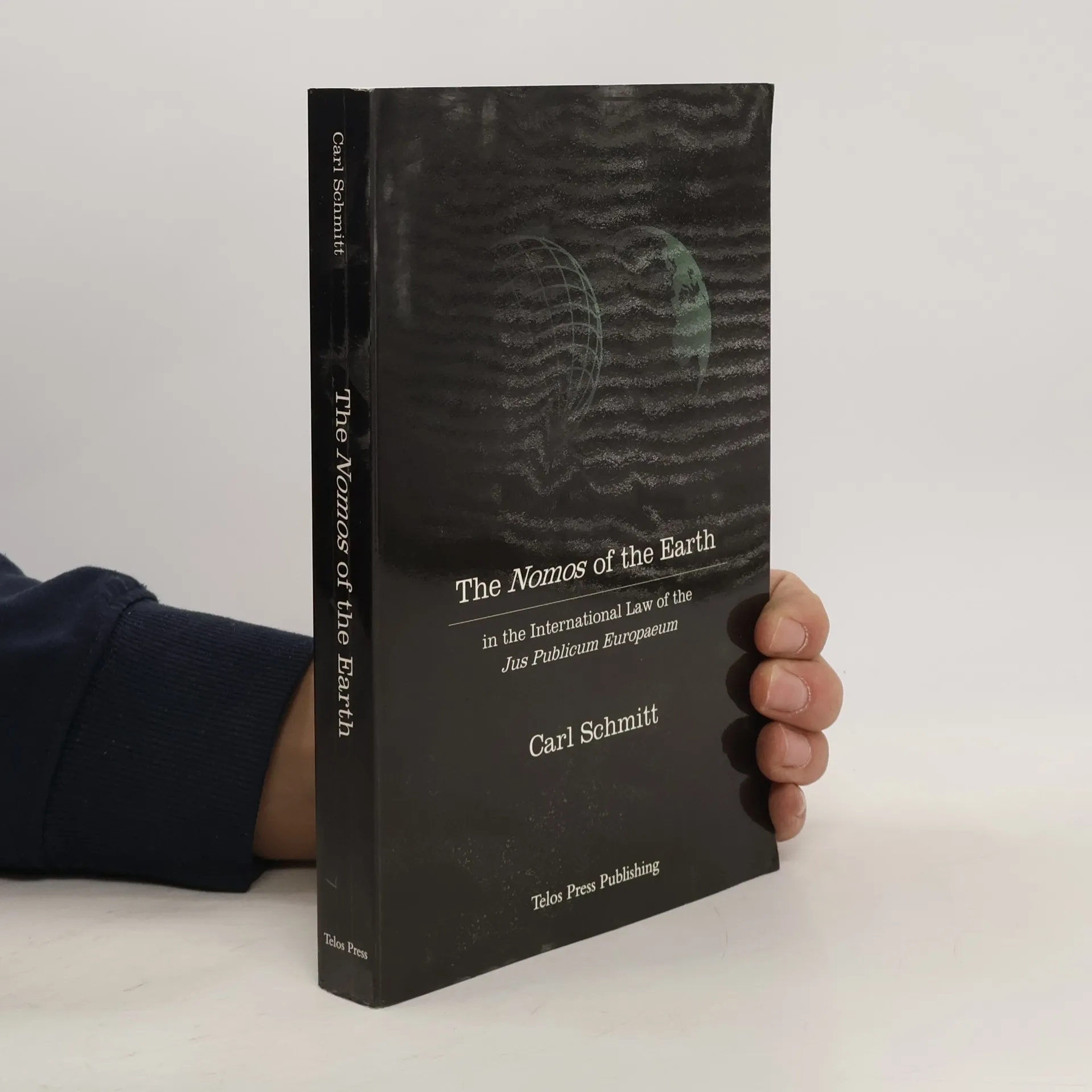
The Nomos of the Earth is Schmitt's most historical and geopolitical book. It describes the origin of the Eurocentric global order, which Schmitt dates from the discovery of the New World, discusses its specific character and its contribution to civilization, analyzes the reasons for its decline at the end of the 19th century, and concludes with prospects for a new world order. It is a reasoned, yet passionate argument in defense of the European achievement -- not only in creating the first truly global order of international law, but also in limiting war to conflicts among sovereign states, which in effect civilized war. In Schmitt's view, the European sovereign state was the greatest achievement of Occidental rationalism; in becoming the principal agency of secularization, the European state created the modern age. Since the problematic of a new nomos of the earth has become even more critical with the onset of the postmodern age and postmodern war, Schmitt's text is even more timely and challenging.
Zakup książki
The Nomos of the Earth, Carl Schmitt
- Język

- Rok wydania
- 2003
- Oprawa
- (miękka)
Metody płatności
Brakuje nam tutaj Twojej recenzji.
- Tytuł
- The Nomos of the Earth
- Podtytuł
- In the International Law of the Jus Publicum Europaeum
- Język
- angielski
- Autorzy
- Carl Schmitt
- Wydawca
- Telos Press Publishing
- Rok wydania
- 2003
- Oprawa
- miękka
- Liczba stron
- 372
- ISBN10
- 0914386301
- ISBN13
- 9780914386308
- Seria
- Tagi
- Tematy historyczne, Tematyka filozoficzna, Tematy prawne, Polityka, Teorie polityczne, Stosunki międzynarodowe
- Ocena
- 4,05 z 5
- Opis
- The Nomos of the Earth is Schmitt's most historical and geopolitical book. It describes the origin of the Eurocentric global order, which Schmitt dates from the discovery of the New World, discusses its specific character and its contribution to civilization, analyzes the reasons for its decline at the end of the 19th century, and concludes with prospects for a new world order. It is a reasoned, yet passionate argument in defense of the European achievement -- not only in creating the first truly global order of international law, but also in limiting war to conflicts among sovereign states, which in effect civilized war. In Schmitt's view, the European sovereign state was the greatest achievement of Occidental rationalism; in becoming the principal agency of secularization, the European state created the modern age. Since the problematic of a new nomos of the earth has become even more critical with the onset of the postmodern age and postmodern war, Schmitt's text is even more timely and challenging.