

Parametry
- 123 strony
- 5 godzin czytania
Więcej o książce
John Fowles (1926–2005) is widely regarded as one of the preeminent and most successful English novelists of the 20th century. His books have sold millions of copies worldwide, have been adapted for beloved films, and have been popularly voted among the 100 Greatest Novels of the Century. To a smaller but no less passionate audience, Fowles is also known as the author of The Tree—one of the most affecting and memorable arguments for the connection between the natural world and human creativity ever written. Fowles recounts his childhood in suburban and rural England, during which he rebelled against his Edwardian father’s obsession with the fruitfulness and “quantifiable yield” of well-pruned trees, and instead came to prize the messy, purposeless beauty of nature left to its wildest. The Tree is a powerful vindication of the joy of getting lost, the merits of having no plan, and the wisdom of following one’s nose wherever it might lead—in life as much as in art. Inspiring and life-changing, The Tree reaffirms our connection to nature and reminds us of the artistic life that is in all of us.
Zakup książki
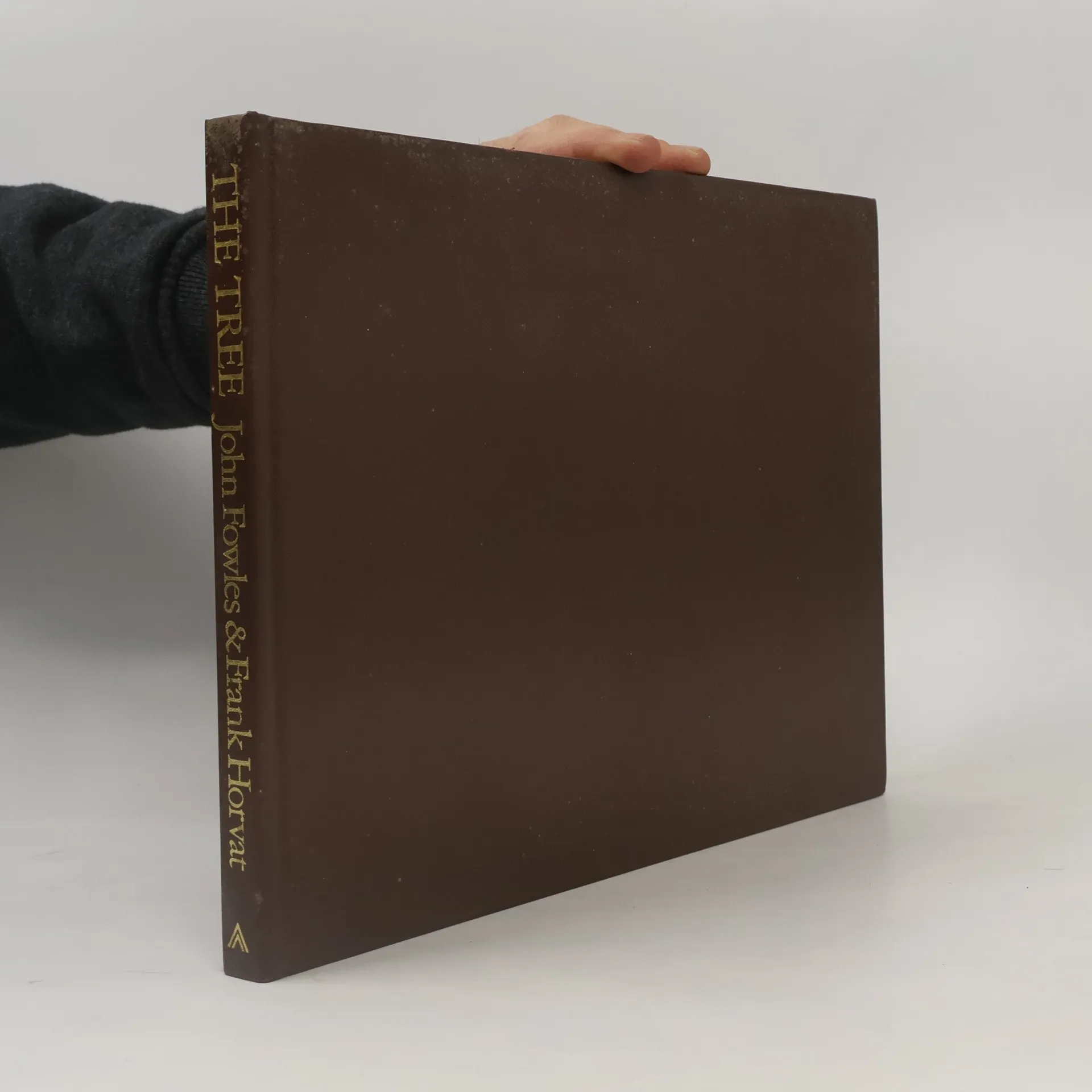
The Tree, John Fowles, Frank Horvat
- Język

- Rok wydania
- 1979
- Oprawa
- (twarda)
Metody płatności
Brakuje nam tutaj Twojej recenzji.
- Tytuł
- The Tree
- Język
- angielski
- Autorzy
- John Fowles, Frank Horvat
- Wydawca
- Aurum Press
- Rok wydania
- 1979
- Oprawa
- twarda
- Liczba stron
- 123
- ISBN10
- 0906053048
- ISBN13
- 9780906053041
- Seria
- Kategorie
- Ocena
- 3 z 5
- Opis
- John Fowles (1926–2005) is widely regarded as one of the preeminent and most successful English novelists of the 20th century. His books have sold millions of copies worldwide, have been adapted for beloved films, and have been popularly voted among the 100 Greatest Novels of the Century. To a smaller but no less passionate audience, Fowles is also known as the author of The Tree—one of the most affecting and memorable arguments for the connection between the natural world and human creativity ever written. Fowles recounts his childhood in suburban and rural England, during which he rebelled against his Edwardian father’s obsession with the fruitfulness and “quantifiable yield” of well-pruned trees, and instead came to prize the messy, purposeless beauty of nature left to its wildest. The Tree is a powerful vindication of the joy of getting lost, the merits of having no plan, and the wisdom of following one’s nose wherever it might lead—in life as much as in art. Inspiring and life-changing, The Tree reaffirms our connection to nature and reminds us of the artistic life that is in all of us.