

Seria
Parametry
- 160 stron
- 6 godzin czytania
Więcej o książce
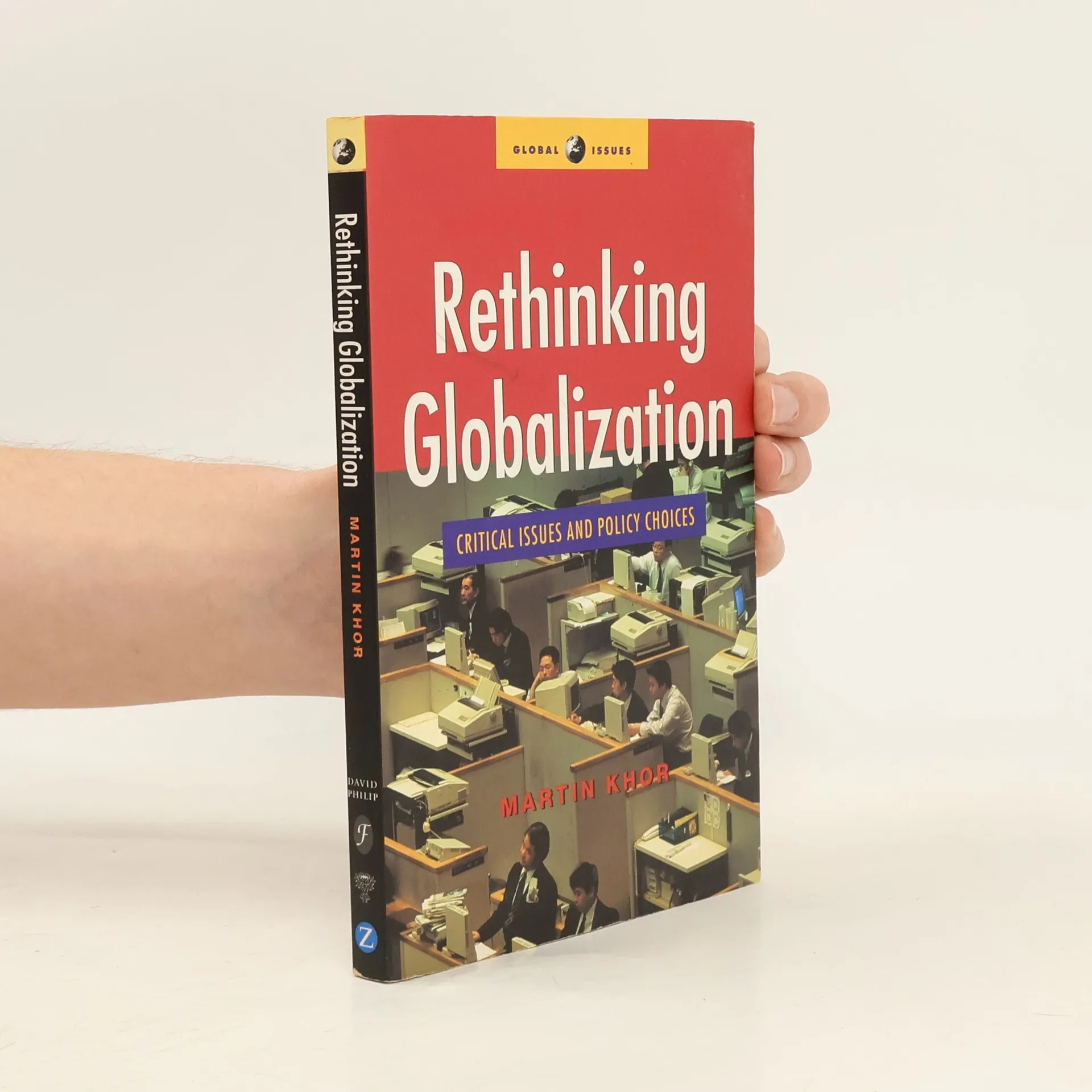
In this optimistic book Martin Khor, director of the influential Third World Network, sets out concrete proposals for what Third World governments can do to shape globalization to their particular circumstances. His book explains what economic globalization means in trade, finance and investment, and shows how globalization is not increasing economic growth in most countries, or reducing inequality and poverty.In the process, Khor refutes the 'one size fits all' policy prescriptions foisted by the World Bank, IMF and WTO on developing countries, arguing that these countries must themselves be allowed to decide when and how to open their economies to the global system. At stake is nothing less than the whole prospect of rapid, just and diversified development in the South, on which prosperity, the environment and an end to mass poverty depend.
Zakup książki
Global Issues: Rethinking Globalization, Kok Peng Khor, Martin Khor
- Język

- Rok wydania
- 2001
- Oprawa
- (miękka)
Metody płatności
Brakuje nam tutaj Twojej recenzji.
- Tytuł
- Global Issues: Rethinking Globalization
- Podtytuł
- Critical Issues and Policy Choices
- Język
- angielski
- Autorzy
- Kok Peng Khor, Martin Khor
- Wydawca
- Zed Books
- Rok wydania
- 2001
- Oprawa
- miękka
- Liczba stron
- 160
- ISBN10
- 1842770551
- ISBN13
- 9781842770559
- Seria
- Global Issues Series
- Kategorie
- Tagi
- Biznes, Polityka, Teorie polityczne, Rozwój, Globalizacja, Polityka Gospodarcza, Ekonomia polityczna, Makroekonomia, Kraje rozwijające się, Mikroekonomia, Międzynarodowe stosunki gospodarcze
- Ocena
- 4 z 5
- Opis
- In this optimistic book Martin Khor, director of the influential Third World Network, sets out concrete proposals for what Third World governments can do to shape globalization to their particular circumstances. His book explains what economic globalization means in trade, finance and investment, and shows how globalization is not increasing economic growth in most countries, or reducing inequality and poverty.In the process, Khor refutes the 'one size fits all' policy prescriptions foisted by the World Bank, IMF and WTO on developing countries, arguing that these countries must themselves be allowed to decide when and how to open their economies to the global system. At stake is nothing less than the whole prospect of rapid, just and diversified development in the South, on which prosperity, the environment and an end to mass poverty depend.