

Więcej o książce
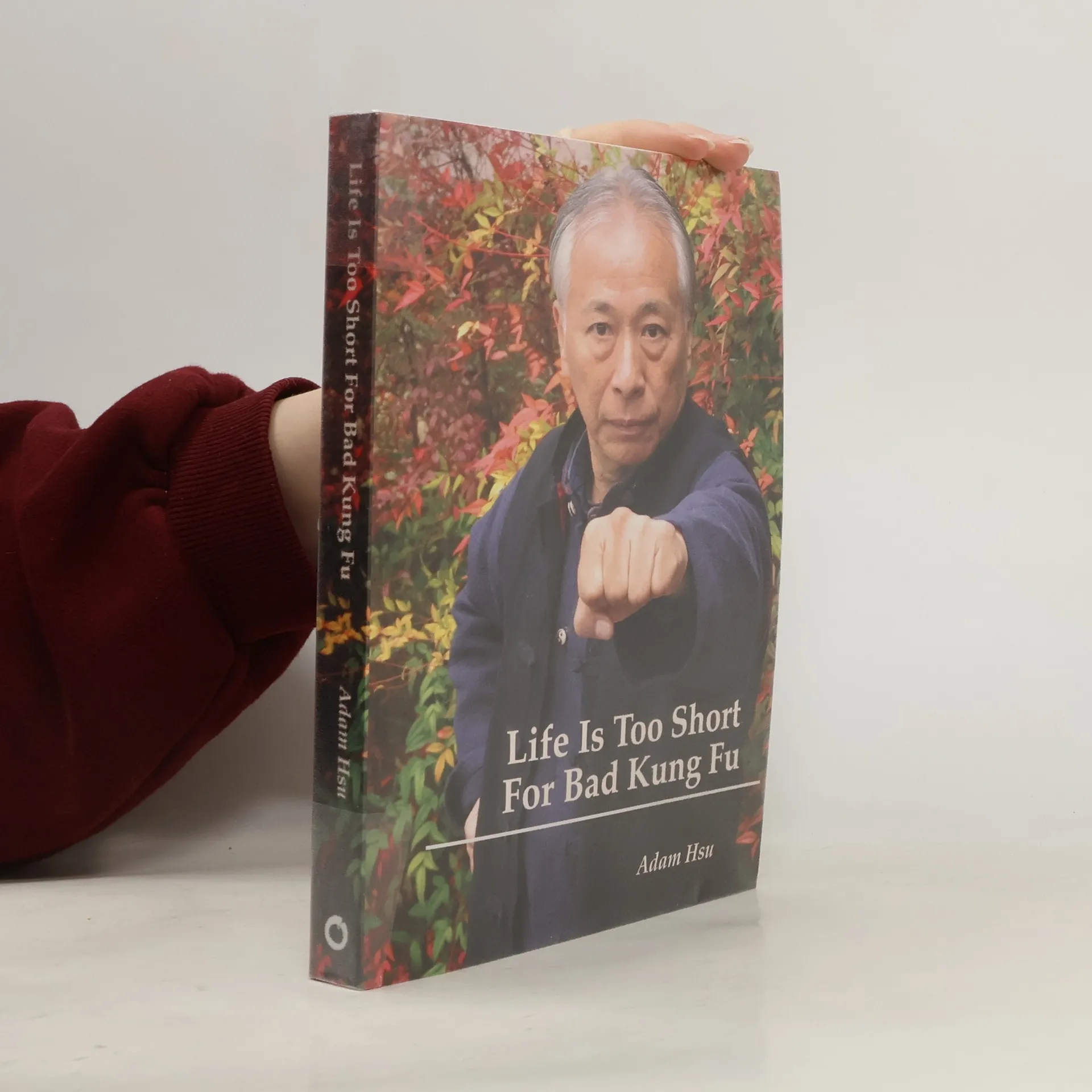
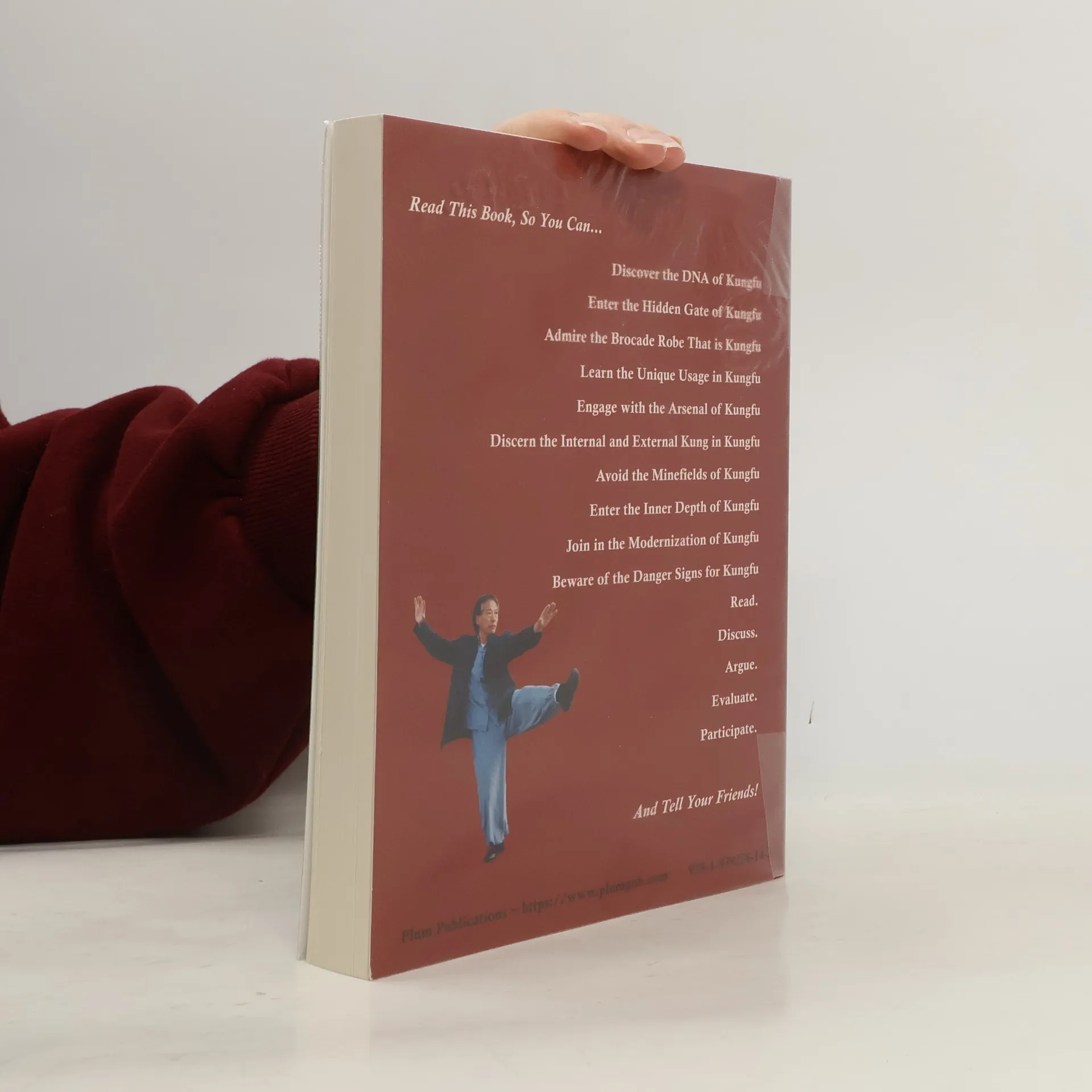
Over 5000 years, Kung Fu has faced adversity, notably retreating from the battlefield 250 years ago due to the rise of “hot” weapons. This shift transformed its core purpose into self-defense techniques for individuals, while the rigorous training of soldiers evolved into personal health and longevity practices. Scholars took over the examination of Kung Fu, yet it thrived with teachers and students across various styles, expanding its legends. Expertise spread beyond China, primarily through laborers and cooks, as well as foreign visitors who trained with local masters. Knowledge was both shared and withheld, leading to gains and losses. Today, Kung Fu confronts a new existential threat from technology, which risks replacing the traditional, tactile practice. As daily life becomes easier, maintaining authentic practice grows more challenging. Renowned martial arts teacher Adam Hsu reflects on Kung Fu's current state, drawing from over 60 years as both a proponent and critic. He employs aphorisms to evaluate Wushu's precarious future, focusing on modern training and teaching while offering both criticism and solutions. Hsu emphasizes the foundational importance of basics, lamenting their decline in traditional curricula. His passionate efforts to preserve Kung Fu resemble a doctor’s struggle to save a fading patient.
Zakup książki
Life Is Too Short For Bad Kung Fu, Adam Hsu
- Język

- Rok wydania
- 2019
- Oprawa
- (miękka)
Metody płatności
Brakuje nam tutaj Twojej recenzji.
- Tytuł
- Life Is Too Short For Bad Kung Fu
- Język
- angielski
- Autorzy
- Adam Hsu
- Wydawca
- Plum Publications
- Rok wydania
- 2019
- Oprawa
- miękka
- Liczba stron
- 332
- ISBN10
- 1939278147
- ISBN13
- 9781939278142
- Seria
- Ocena
- 4,5 z 5
- Opis
- Over 5000 years, Kung Fu has faced adversity, notably retreating from the battlefield 250 years ago due to the rise of “hot” weapons. This shift transformed its core purpose into self-defense techniques for individuals, while the rigorous training of soldiers evolved into personal health and longevity practices. Scholars took over the examination of Kung Fu, yet it thrived with teachers and students across various styles, expanding its legends. Expertise spread beyond China, primarily through laborers and cooks, as well as foreign visitors who trained with local masters. Knowledge was both shared and withheld, leading to gains and losses. Today, Kung Fu confronts a new existential threat from technology, which risks replacing the traditional, tactile practice. As daily life becomes easier, maintaining authentic practice grows more challenging. Renowned martial arts teacher Adam Hsu reflects on Kung Fu's current state, drawing from over 60 years as both a proponent and critic. He employs aphorisms to evaluate Wushu's precarious future, focusing on modern training and teaching while offering both criticism and solutions. Hsu emphasizes the foundational importance of basics, lamenting their decline in traditional curricula. His passionate efforts to preserve Kung Fu resemble a doctor’s struggle to save a fading patient.