

Więcej o książce
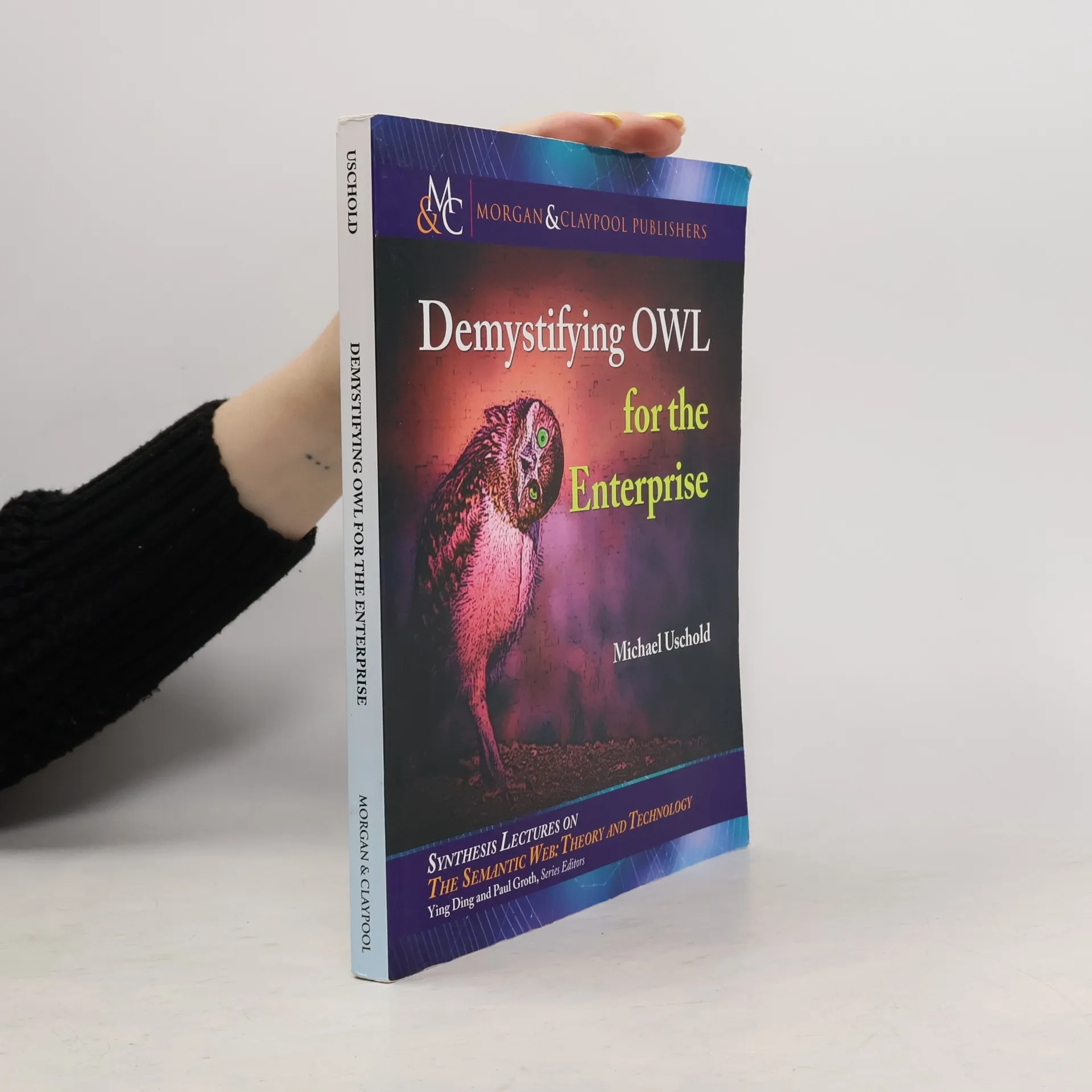
After a slow incubation of nearly 15 years, many organizations now utilize the Semantic Web stack, with the Web Ontology Language (OWL) being a crucial component. The demand for ontologists is rising faster than the resources available for learning OWL, particularly for modelers aiming to create OWL ontologies for enterprise and government applications. This book aims to accelerate the learning process of OWL by focusing on the 30% of the language that is used 90% of the time. It is also beneficial for technically oriented managers, semantic technology developers, students, and instructors seeking innovative ways to teach OWL. The content is structured in a spiral format, beginning with core concepts and progressively reinforcing and expanding on previous material while introducing new ideas. Part 1 offers an informal overview of ontology and OWL, illustrated with a healthcare example, and concludes with foundational concepts of meaning and semantics. Part 2 delves into properties and classes, detailing essential constructs for everyday modeling and their inferences, supported by real-world examples. Part 3 demonstrates practical applications of OWL in healthcare, collateral, and financial transactions, describing small ontologies and key inferences for each. It also discusses OWL's limitations and potential workarounds. The final chapter provides practical tips and guidelines for readers.
Zakup książki
Demystifying OWL for the Enterprise, Michael Uschold, Ying Ding, Paul Heinrich Groth
- Język

- Rok wydania
- 2018
- Oprawa
- (miękka)
Metody płatności
Brakuje nam tutaj Twojej recenzji.
- Tytuł
- Demystifying OWL for the Enterprise
- Język
- angielski
- Autorzy
- Michael Uschold, Ying Ding, Paul Heinrich Groth
- Wydawca
- Morgan & Claypool Publishers
- Rok wydania
- 2018
- Oprawa
- miękka
- Liczba stron
- 237
- ISBN10
- 1681731274
- ISBN13
- 9781681731278
- Seria
- Kategorie
- Tagi
- Biznes, USA, Internet, Sztuczna inteligencja
- Ocena
- 4,6 z 5
- Opis
- After a slow incubation of nearly 15 years, many organizations now utilize the Semantic Web stack, with the Web Ontology Language (OWL) being a crucial component. The demand for ontologists is rising faster than the resources available for learning OWL, particularly for modelers aiming to create OWL ontologies for enterprise and government applications. This book aims to accelerate the learning process of OWL by focusing on the 30% of the language that is used 90% of the time. It is also beneficial for technically oriented managers, semantic technology developers, students, and instructors seeking innovative ways to teach OWL. The content is structured in a spiral format, beginning with core concepts and progressively reinforcing and expanding on previous material while introducing new ideas. Part 1 offers an informal overview of ontology and OWL, illustrated with a healthcare example, and concludes with foundational concepts of meaning and semantics. Part 2 delves into properties and classes, detailing essential constructs for everyday modeling and their inferences, supported by real-world examples. Part 3 demonstrates practical applications of OWL in healthcare, collateral, and financial transactions, describing small ontologies and key inferences for each. It also discusses OWL's limitations and potential workarounds. The final chapter provides practical tips and guidelines for readers.