

Więcej o książce
In the twelfth century, curia regis was the name given to the assembly, whether in England, France or the kingdoms of Spain, which helped the monarch to govern. In its largest form, such an assembly consisted of members of the royal family, royal household officials and the lay and ecclesiastical magnates of the kingdom. This book analyses the composition and function of these solemn assemblies in Leon and Castile, two kingdoms which were united under one monarch from 1072 until 1157 and again after 1230. The author traces the development of a representative assembly in Leon-Castile, from the time when people from the towns were first summoned to attend the meetings until 1295. She has culled information from the surviving records of the religious and military recipients of royal charters and from the legal records of the cortes. The scrutiny of this material provides an invaluable contribution to the history of representative assemblies in Western Europe during the Middle Ages.
Zakup książki
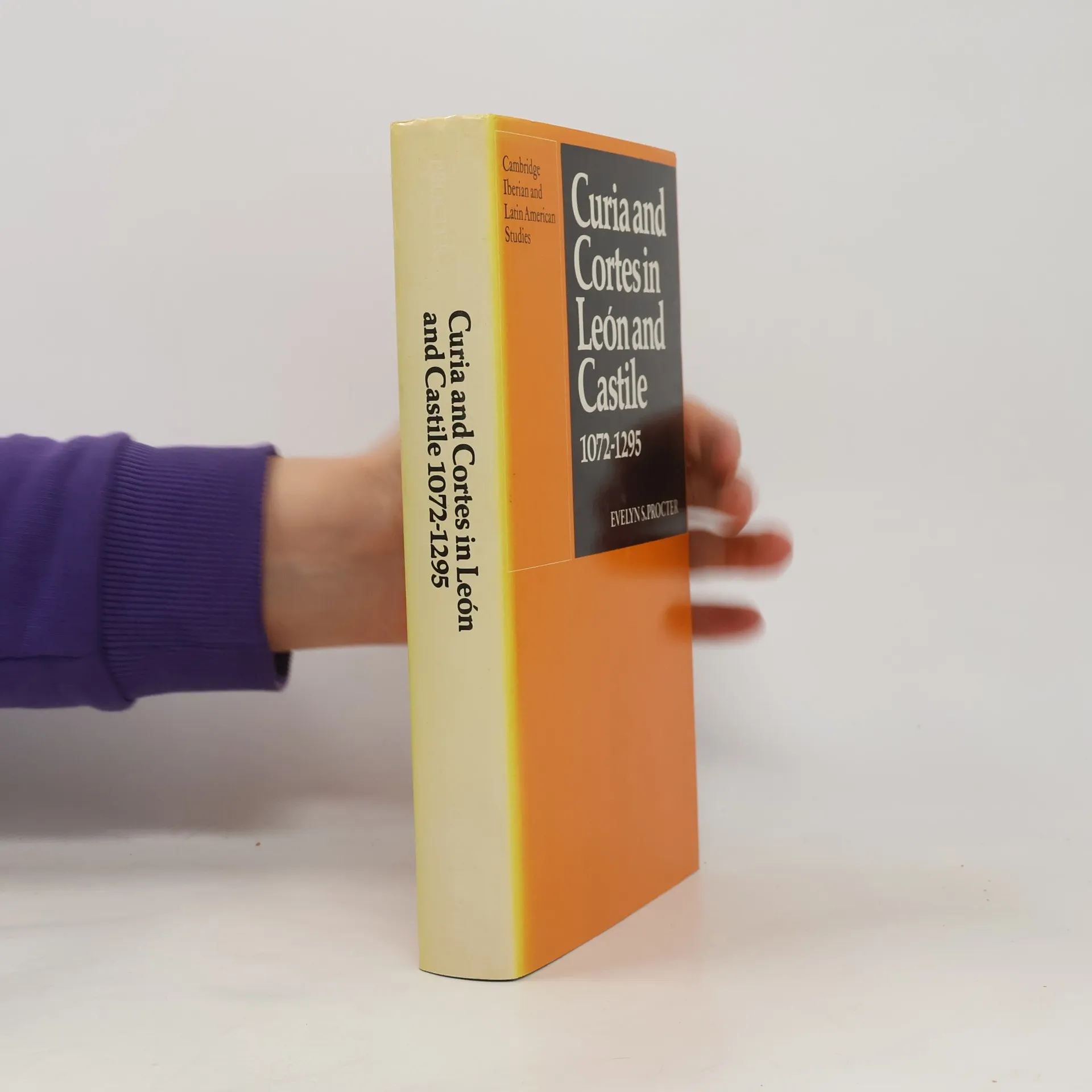
Cambridge Iberian and Latin American Studies: Curia and Cortes in León and Castile 1072–1295, Evelyn Stefanos Procter
- Język

- Rok wydania
- 1980
- Oprawa
- (twarda)
Metody płatności
Nikt jeszcze nie ocenił.
- Tytuł
- Cambridge Iberian and Latin American Studies: Curia and Cortes in León and Castile 1072–1295
- Język
- angielski
- Autorzy
- Evelyn Stefanos Procter
- Wydawca
- Cambridge University Press
- Rok wydania
- 1980
- Oprawa
- twarda
- Liczba stron
- 336
- ISBN10
- 0521226392
- ISBN13
- 9780521226394
- Seria
- Kategorie
- Opis
- In the twelfth century, curia regis was the name given to the assembly, whether in England, France or the kingdoms of Spain, which helped the monarch to govern. In its largest form, such an assembly consisted of members of the royal family, royal household officials and the lay and ecclesiastical magnates of the kingdom. This book analyses the composition and function of these solemn assemblies in Leon and Castile, two kingdoms which were united under one monarch from 1072 until 1157 and again after 1230. The author traces the development of a representative assembly in Leon-Castile, from the time when people from the towns were first summoned to attend the meetings until 1295. She has culled information from the surviving records of the religious and military recipients of royal charters and from the legal records of the cortes. The scrutiny of this material provides an invaluable contribution to the history of representative assemblies in Western Europe during the Middle Ages.