


Parametry
- 248 stron
- 9 godzin czytania
Więcej o książce
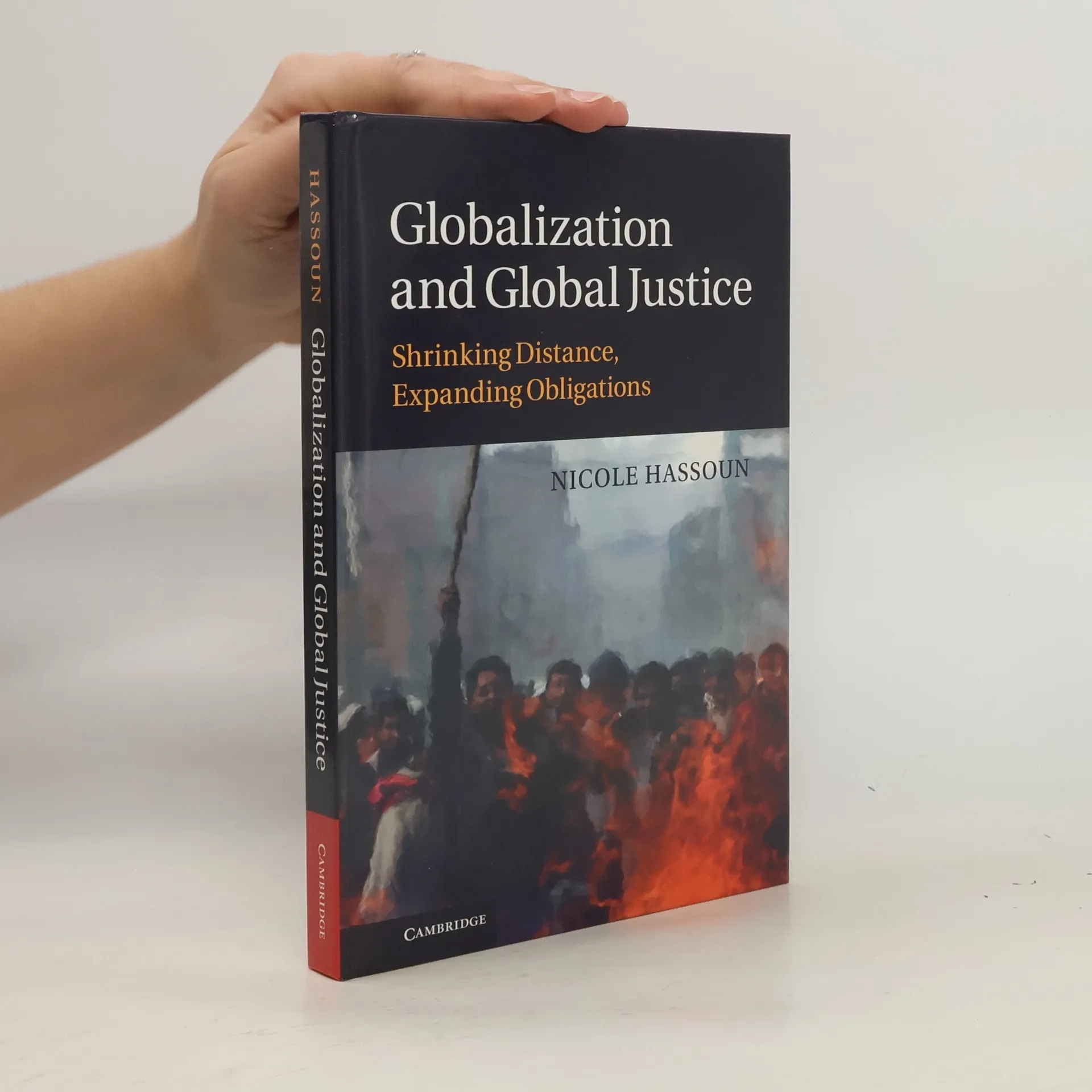
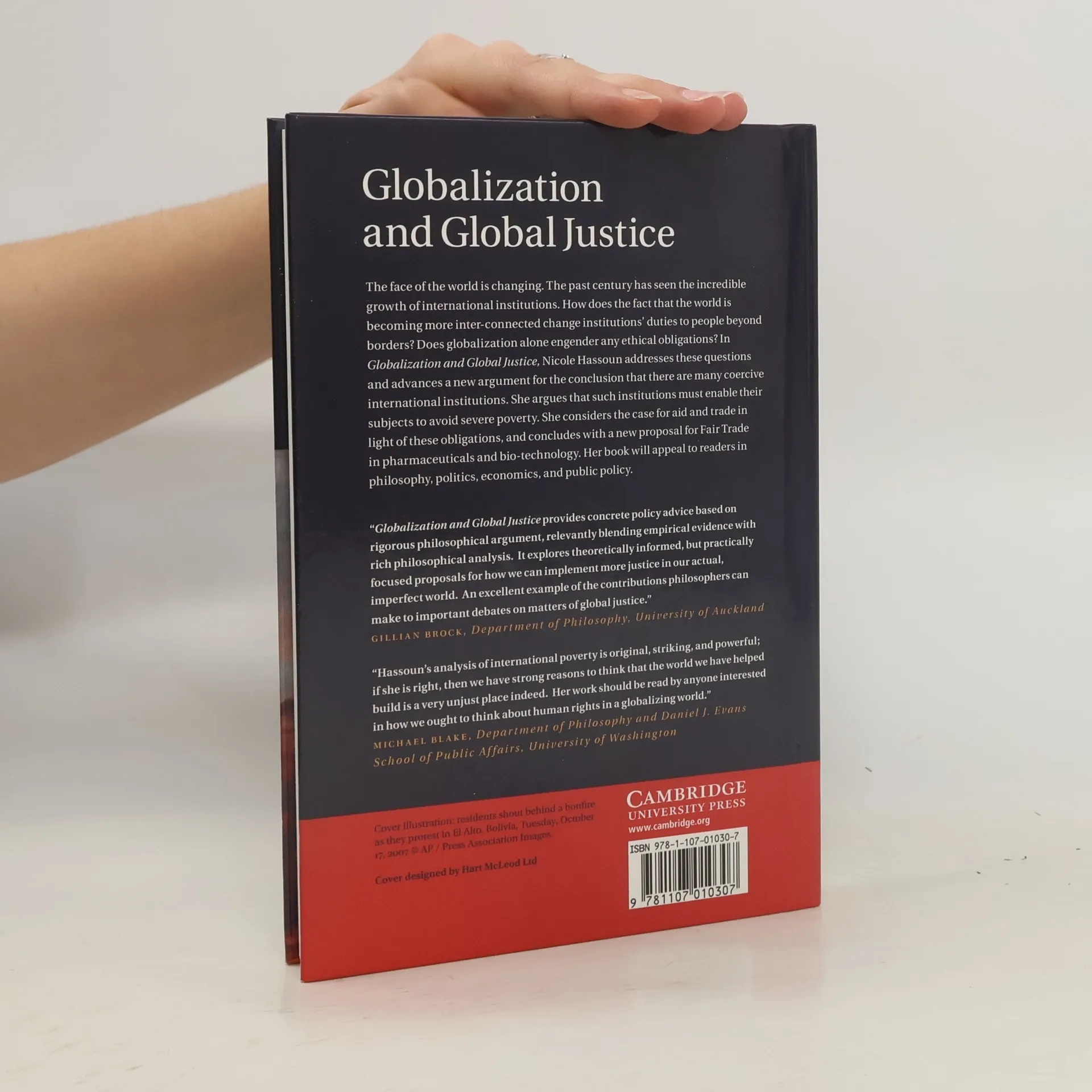
The face of the world is changing. The past century has seen the incredible growth of international institutions. How does the fact that the world is becoming more interconnected change institutions' duties to people beyond borders? Does globalization alone engender any ethical obligations? In Globalization and Global Justice, Nicole Hassoun addresses these questions and advances a new argument for the conclusion that there are significant obligations to the global poor. First, she argues that there are many coercive international institutions and that these institutions must provide the means for their subjects to avoid severe poverty. Hassoun then considers the case for aid and trade, and concludes with a new proposal for fair trade in pharmaceutical and biotechnology. Globalization and Global Justice will appeal to readers in philosophy, politics, economics and public policy.
Zakup książki
Globalization and Global Justice, Nicole Hassoun
- Język

- Rok wydania
- 2012
- Oprawa
- (twarda),
- Stan książki
- Bardzo dobry
- Cena
- 14,12 zł
Metody płatności
Nikt jeszcze nie ocenił.
- Tytuł
- Globalization and Global Justice
- Podtytuł
- Shrinking Distance, Expanding Obligations
- Język
- angielski
- Autorzy
- Nicole Hassoun
- Wydawca
- Cambridge University Press
- Rok wydania
- 2012
- Oprawa
- twarda
- Liczba stron
- 248
- ISBN10
- 1107010306
- ISBN13
- 9781107010307
- Seria
- Kategorie
- Tagi
- Biznes, Tematyka filozoficzna, Teorie polityczne, Sprawiedliwość społeczna, Globalizacja, Ekonomia polityczna, Aspekty społeczne
- Opis
- The face of the world is changing. The past century has seen the incredible growth of international institutions. How does the fact that the world is becoming more interconnected change institutions' duties to people beyond borders? Does globalization alone engender any ethical obligations? In Globalization and Global Justice, Nicole Hassoun addresses these questions and advances a new argument for the conclusion that there are significant obligations to the global poor. First, she argues that there are many coercive international institutions and that these institutions must provide the means for their subjects to avoid severe poverty. Hassoun then considers the case for aid and trade, and concludes with a new proposal for fair trade in pharmaceutical and biotechnology. Globalization and Global Justice will appeal to readers in philosophy, politics, economics and public policy.