

Więcej o książce
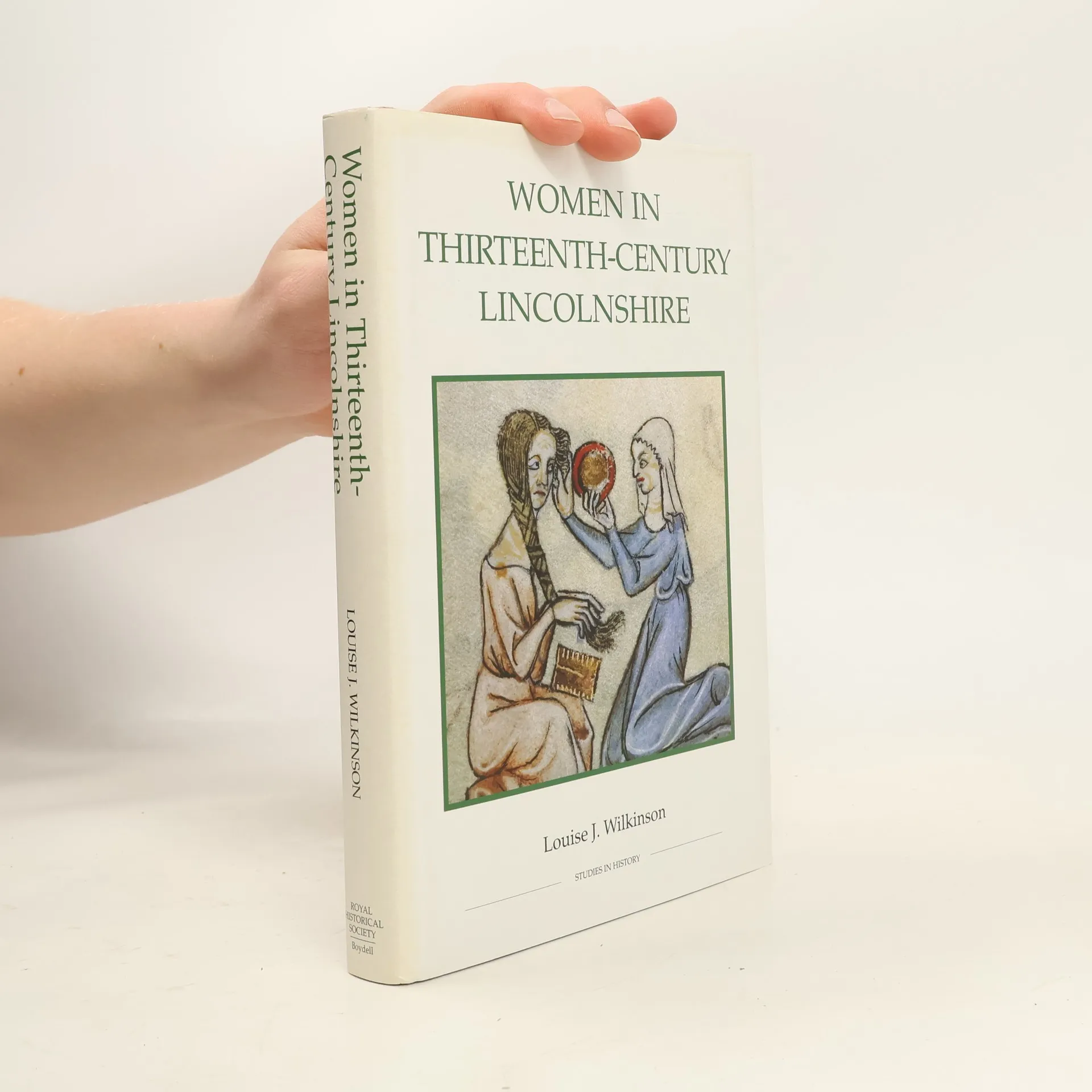
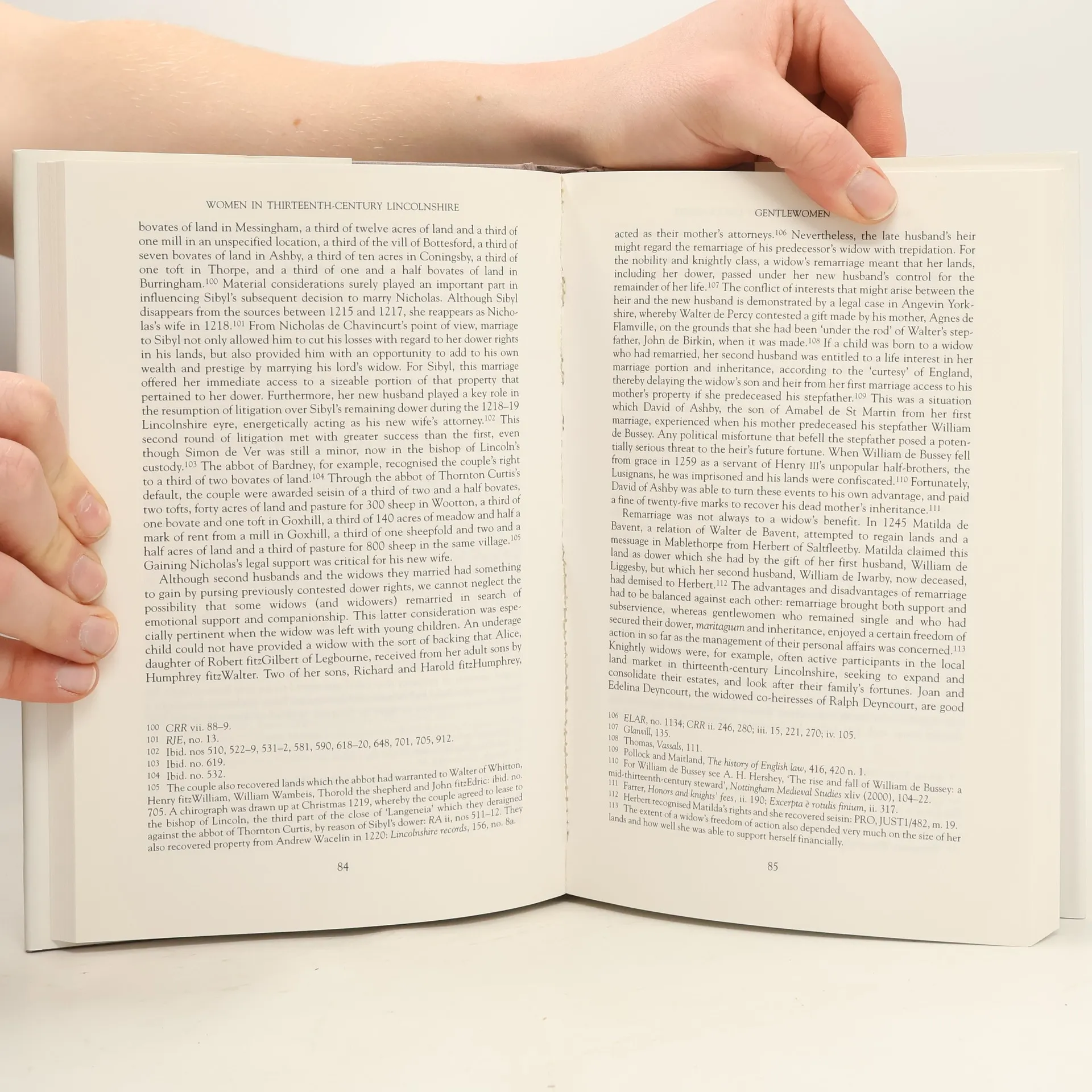
This book offers the first regional study of women in thirteenth-century England, making pioneering use of charters, chronicles, government records and some of the earliest manorial court rolls to examine the interaction of gender, status and life-cycle in shaping women's experiences in Lincolnshire. The author investigates the lives of noblewomen, gentlewomen, townswomen, peasant women, criminal women and women religious from a variety of angles. Not only does she consider how far women were partners alongside men, especially within the family, but she also explores whether they might have been both at once constrained and yet, to an extent, empowered by religious and biological ideas about gender difference which found expression in inheritance practices and the common law. Valuable light on the avenues for political influence open to elite women is shed through case studies of Nicholaa de la Haye (d. 1230), sheriff of Lincoln, Hawise de Quency (d. 1243), countess of Lincoln, and Margaret de Lacy (d. 1266), countess of Lincoln. The book also addresses women's roles within the rural and urban labour markets before the Black Death. LOUISE J. WILKINSON is Lecturer in History, Canterbury Christ Church University.
Zakup książki
Women in Thirteenth-Century Lincolnshire, Louise J. Wilkinson
- Język

- Rok wydania
- 2007
- Oprawa
- (twarda)
Metody płatności
Brakuje nam tutaj Twojej recenzji.
- Tytuł
- Women in Thirteenth-Century Lincolnshire
- Język
- angielski
- Autorzy
- Louise J. Wilkinson
- Wydawca
- Royal Historical Society
- Rok wydania
- 2007
- Oprawa
- twarda
- Liczba stron
- 264
- ISBN10
- 0861932854
- ISBN13
- 9780861932856
- Seria
- Kategorie
- Tagi
- Rodzina, Kobiety, Europa, Anglia, Wielka Brytania, Feminizm, Gender, Historia społeczna, Kroniki, Case Studies
- Ocena
- 4,4 z 5
- Opis
- This book offers the first regional study of women in thirteenth-century England, making pioneering use of charters, chronicles, government records and some of the earliest manorial court rolls to examine the interaction of gender, status and life-cycle in shaping women's experiences in Lincolnshire. The author investigates the lives of noblewomen, gentlewomen, townswomen, peasant women, criminal women and women religious from a variety of angles. Not only does she consider how far women were partners alongside men, especially within the family, but she also explores whether they might have been both at once constrained and yet, to an extent, empowered by religious and biological ideas about gender difference which found expression in inheritance practices and the common law. Valuable light on the avenues for political influence open to elite women is shed through case studies of Nicholaa de la Haye (d. 1230), sheriff of Lincoln, Hawise de Quency (d. 1243), countess of Lincoln, and Margaret de Lacy (d. 1266), countess of Lincoln. The book also addresses women's roles within the rural and urban labour markets before the Black Death. LOUISE J. WILKINSON is Lecturer in History, Canterbury Christ Church University.