

Więcej o książce
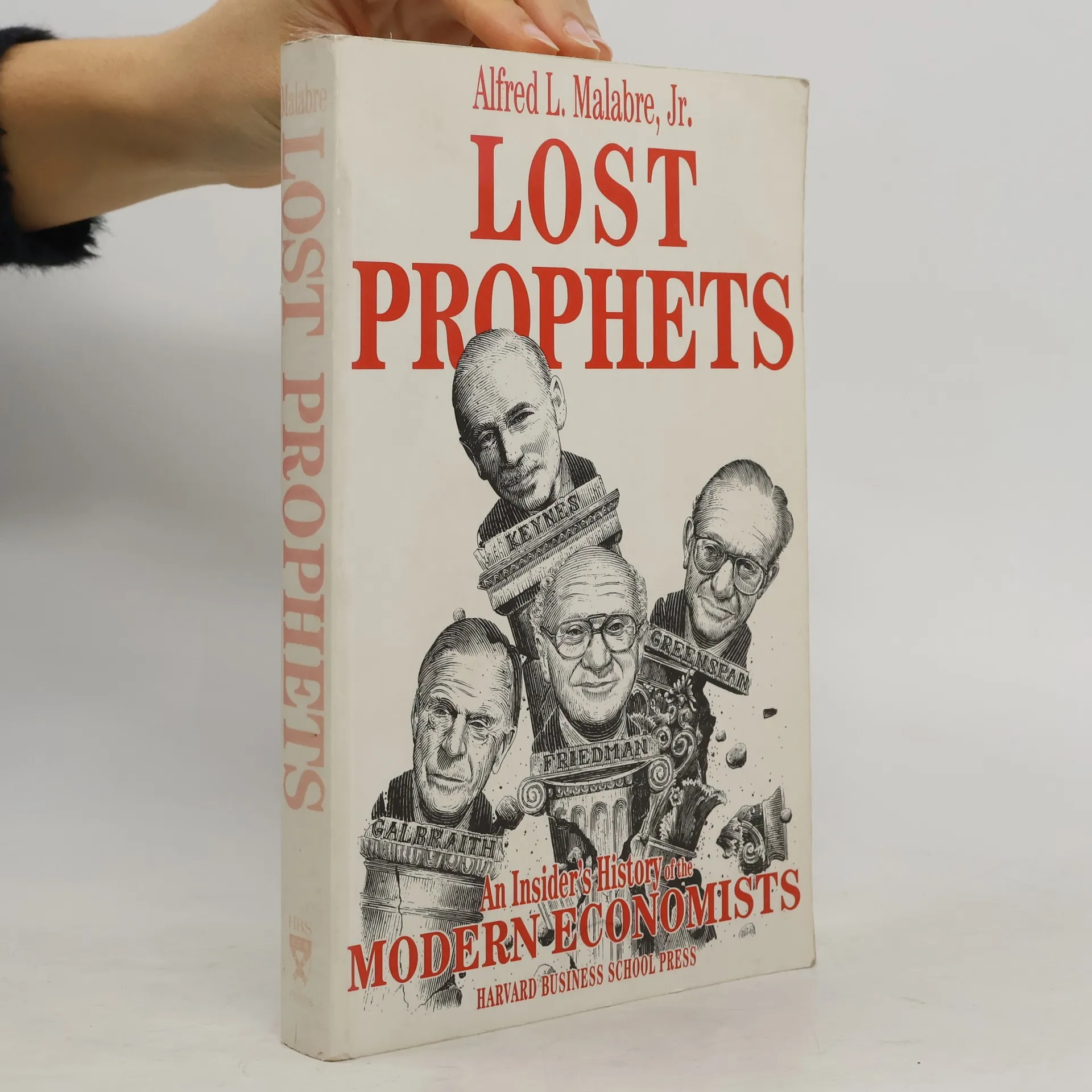
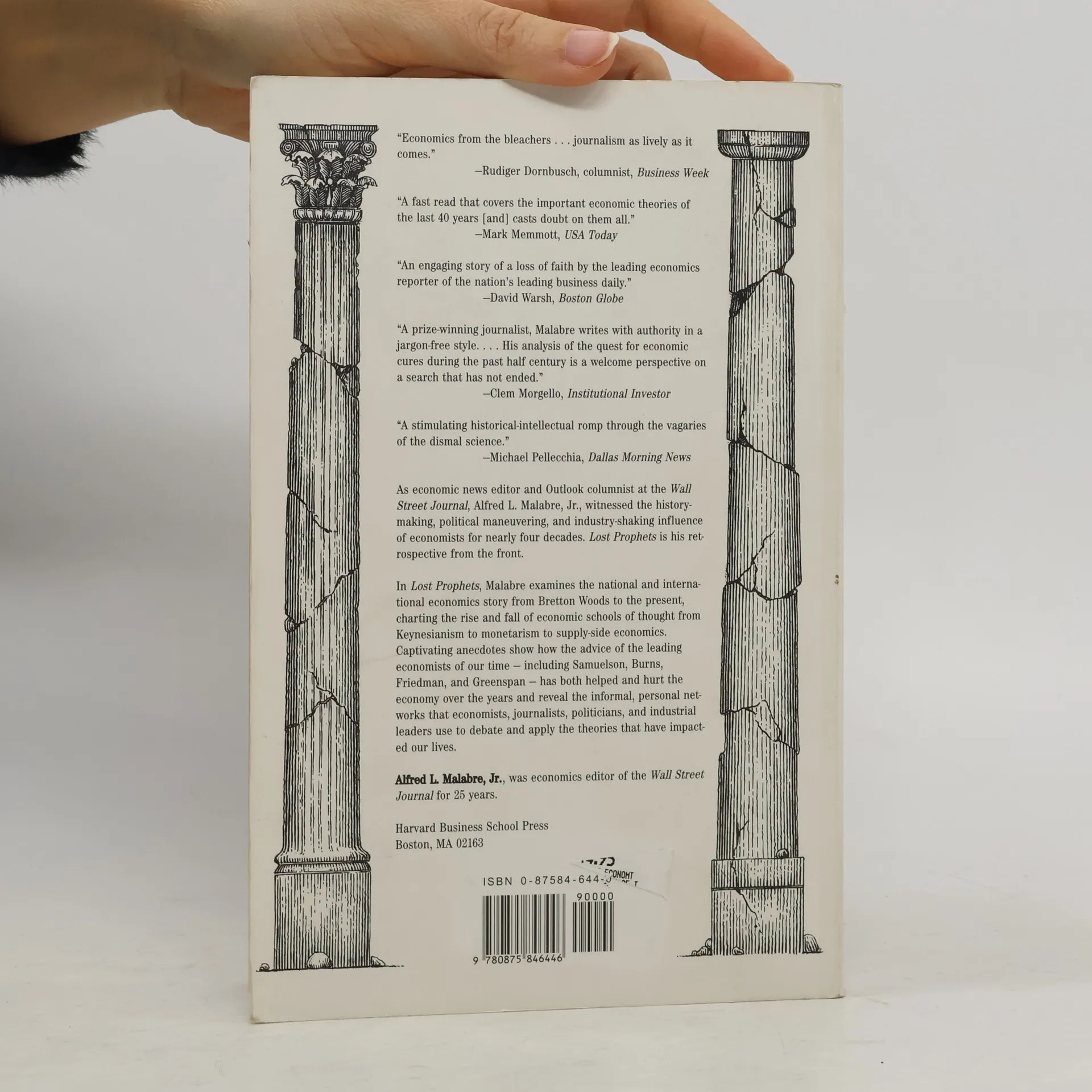
Alfred L. Malabre, Jr., economics editor for The Wall Street Journal, takes the reader on an adventure--from the Mt. Washington Hotel at Bretton Woods to the Michael One Restaurant in downtown Manhattan--to meet the economists whose ideas have had a tremendous influence on the development of U.S. economic policy from World War II to the present. The book is derived from the author's four decades of covering the national economics beat, and is based largely on his first-hand experience with economic leaders in government, business, and acedemia and his intimate knowledge of the Journal, as it became the preeminent U.S. newspaper of economic commentary. Filled with lively anecdotes, this book illuminates the personalities behind the theories and the networks that have helped promote the philosophies of Keynesianism, monetarism, and supply-side economics. Malabre concludes that we should expect less of our economists, but also, while recognizing their past mistakes, appreciate that some of what they say can lead us to a sounder economic future.
Zakup książki
Lost Prophets, Alfred L. Malabre Jr.
- Język

- Rok wydania
- 1995
- Oprawa
- (miękka)
Metody płatności
Nikt jeszcze nie ocenił.
- Tytuł
- Lost Prophets
- Podtytuł
- An Insider's History of the Modern Economists
- Język
- angielski
- Autorzy
- Alfred L. Malabre Jr.
- Rok wydania
- 1995
- Oprawa
- miękka
- Liczba stron
- 256
- ISBN10
- 0875846440
- ISBN13
- 9780875846446
- Seria
- Opis
- Alfred L. Malabre, Jr., economics editor for The Wall Street Journal, takes the reader on an adventure--from the Mt. Washington Hotel at Bretton Woods to the Michael One Restaurant in downtown Manhattan--to meet the economists whose ideas have had a tremendous influence on the development of U.S. economic policy from World War II to the present. The book is derived from the author's four decades of covering the national economics beat, and is based largely on his first-hand experience with economic leaders in government, business, and acedemia and his intimate knowledge of the Journal, as it became the preeminent U.S. newspaper of economic commentary. Filled with lively anecdotes, this book illuminates the personalities behind the theories and the networks that have helped promote the philosophies of Keynesianism, monetarism, and supply-side economics. Malabre concludes that we should expect less of our economists, but also, while recognizing their past mistakes, appreciate that some of what they say can lead us to a sounder economic future.