

Parametry
- 441 stron
- 16 godzin czytania
Więcej o książce
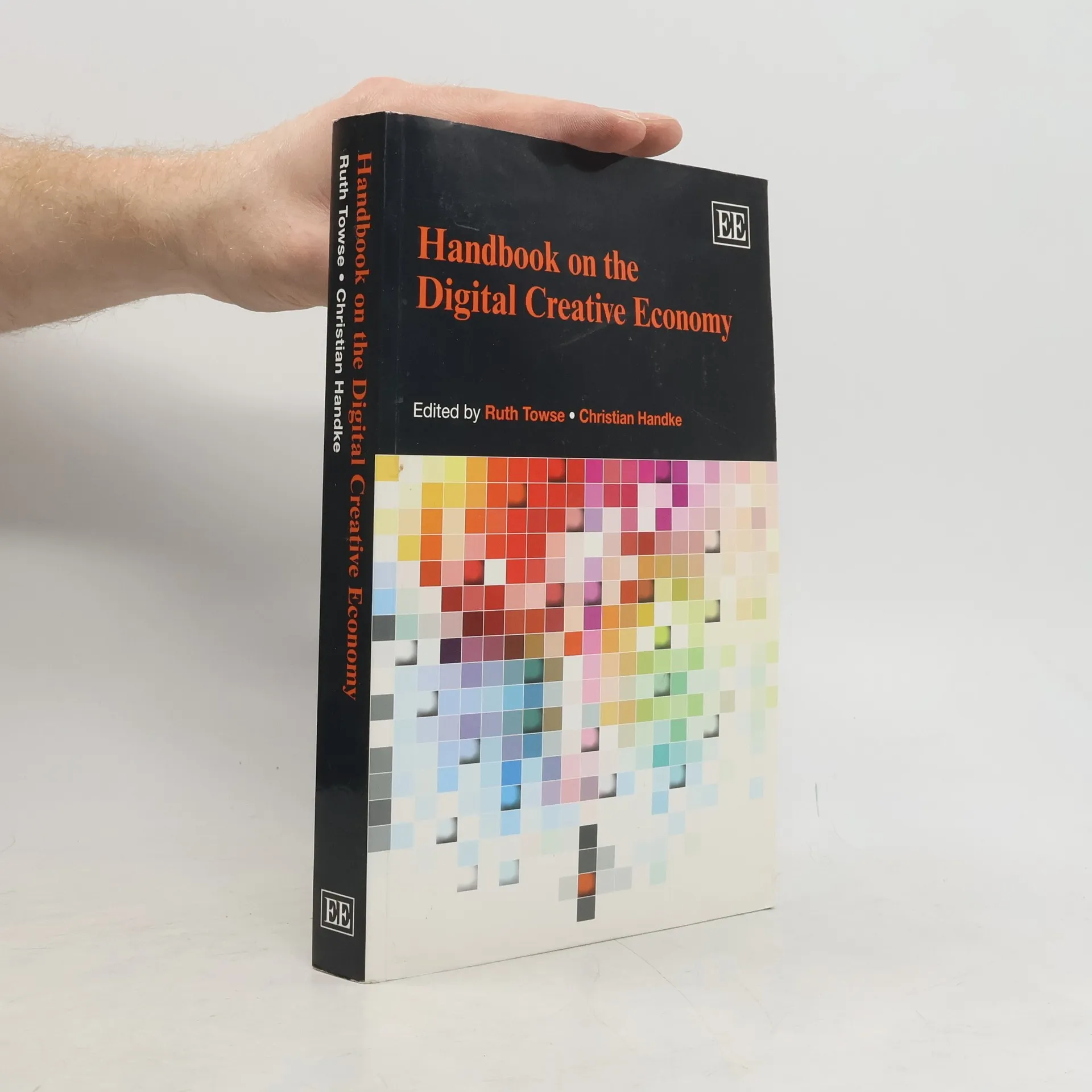
Digital technologies have significantly transformed the creation, distribution, and utilization of creative works, enhancing accessibility, challenging traditional business models, and altering the dynamics between producers and consumers. This resource offers a comprehensive overview of academic research on the effects of digitization within the creative sector. Spanning 37 chapters, it compiles insights from experts across various dimensions of digitization in creative industries. With an interdisciplinary approach, the volume delves into detailed studies of digitization in the arts, media, and cultural sectors, making it a valuable resource for diverse educational courses. It serves as thought-provoking material for academics, researchers, students, and policymakers interested in advancements within the creative economy. The contributions come from a wide array of scholars, ensuring a rich exploration of the topic.
Zakup książki
Handbook on the Digital Creative Economy, Towse Ruth, Christian Handke
- Język

- Rok wydania
- 2013
- Oprawa
- (miękka)
Metody płatności
Brakuje nam tutaj Twojej recenzji.
- Tytuł
- Handbook on the Digital Creative Economy
- Język
- angielski
- Autorzy
- Towse Ruth, Christian Handke
- Wydawca
- Edward Elgar
- Rok wydania
- 2013
- Oprawa
- miękka
- Liczba stron
- 441
- ISBN10
- 1781004889
- ISBN13
- 9781781004883
- Seria
- Kategorie
- Tagi
- Biznes, Tematy prawne, Technologia, Literatura fachowa, Teorie polityczne, Prace zebrane, Media & Komunikacja medialna, Prawo cywilne, Elektronika, Prawo autorskie, Media cyfrowe, Własność intelektualna
- Ocena
- 4 z 5
- Opis
- Digital technologies have significantly transformed the creation, distribution, and utilization of creative works, enhancing accessibility, challenging traditional business models, and altering the dynamics between producers and consumers. This resource offers a comprehensive overview of academic research on the effects of digitization within the creative sector. Spanning 37 chapters, it compiles insights from experts across various dimensions of digitization in creative industries. With an interdisciplinary approach, the volume delves into detailed studies of digitization in the arts, media, and cultural sectors, making it a valuable resource for diverse educational courses. It serves as thought-provoking material for academics, researchers, students, and policymakers interested in advancements within the creative economy. The contributions come from a wide array of scholars, ensuring a rich exploration of the topic.