

Parametry
- 364 strony
- 13 godzin czytania
Więcej o książce
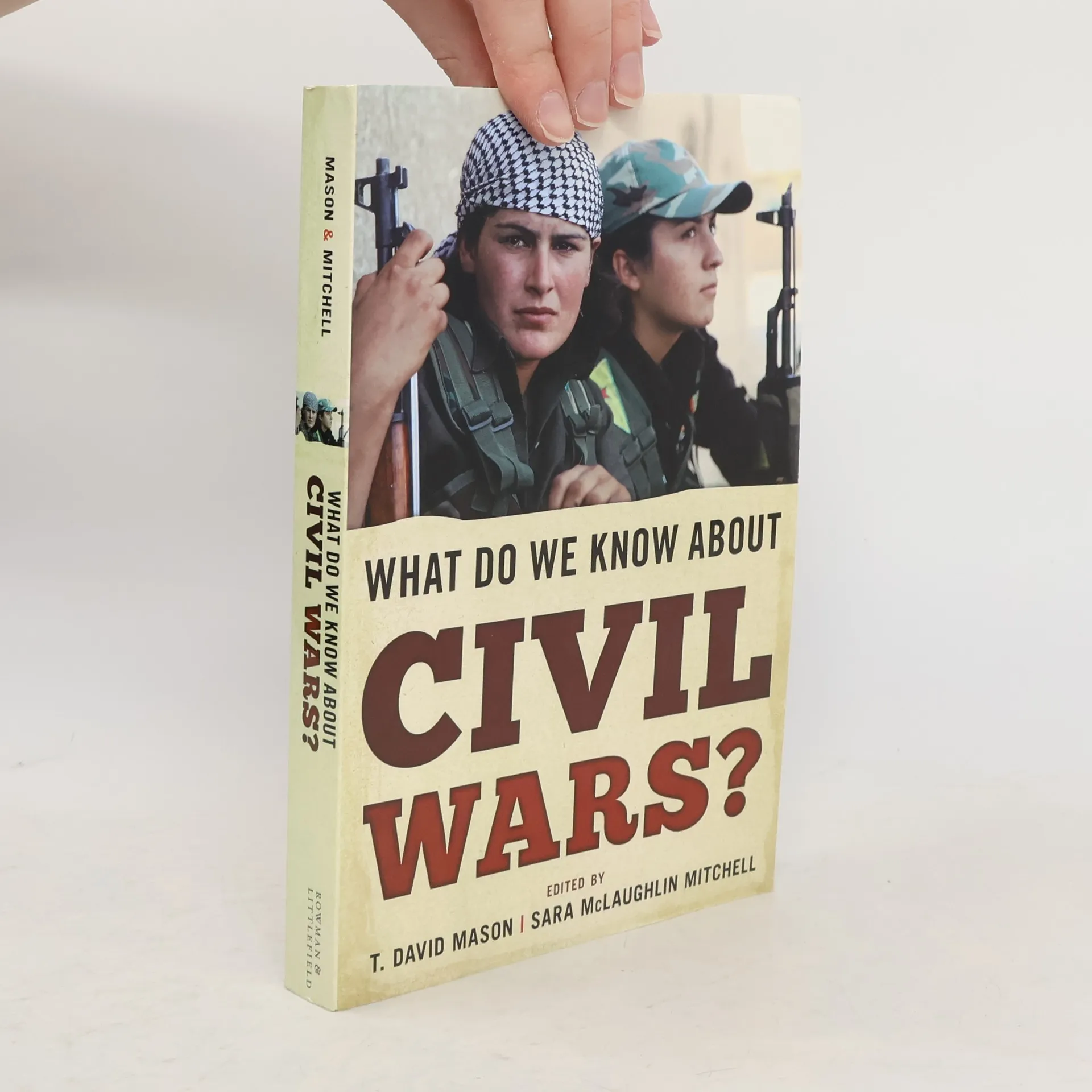
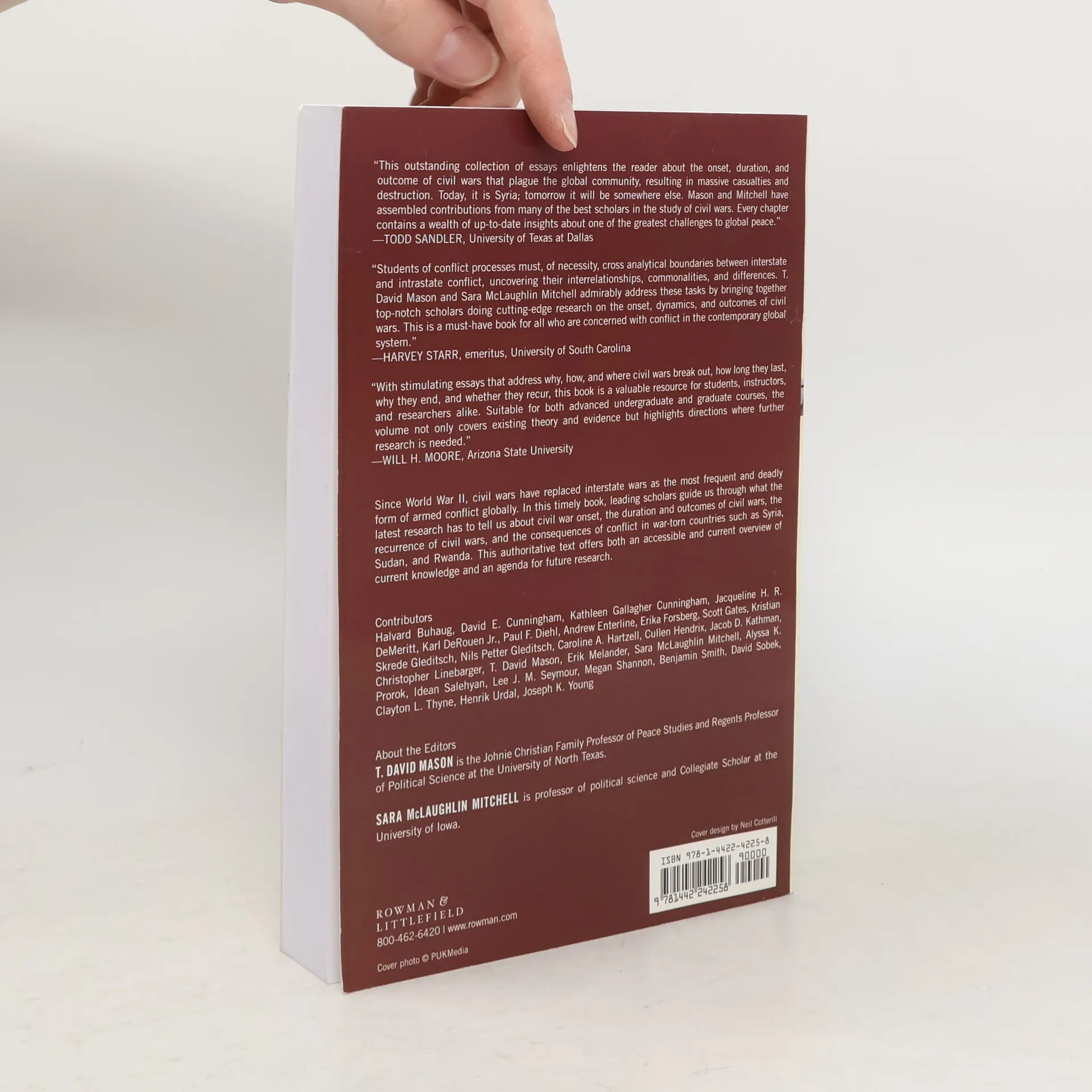
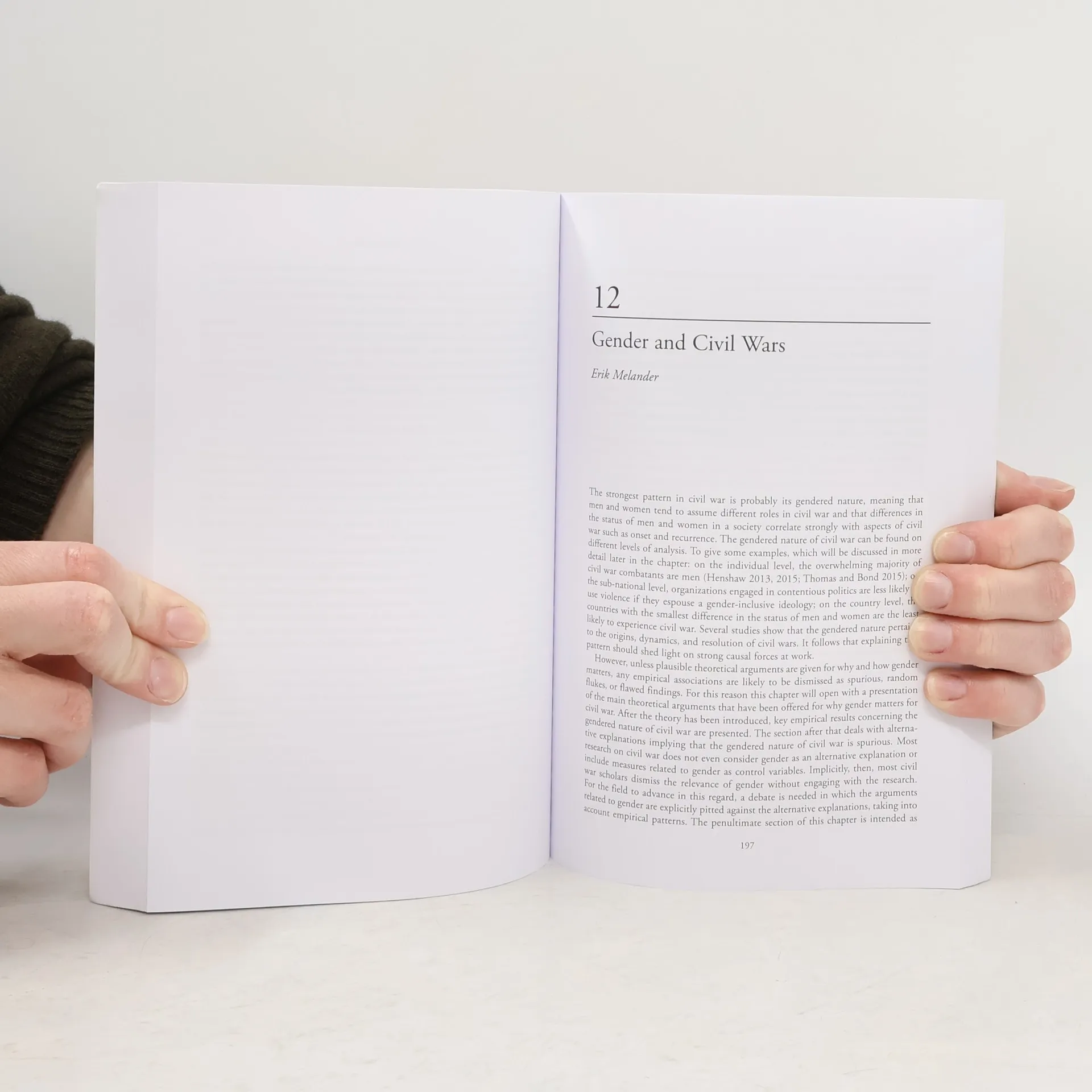
Since World War II, civil wars have become the most common and lethal form of armed conflict worldwide. This book examines the factors influencing the occurrence, duration, outcomes, and recurrence of civil wars, alongside the lasting impacts of conflicts in countries like Syria, Sudan, and Rwanda. Leading scholars synthesize the latest research, highlighting what is known and what remains uncertain about civil wars. The text explores emerging areas of study, such as transitional justice in post-conflict settings, the “resource curse,” the role of women, and the interplay between the environment and civil conflict. Additionally, it discusses advancements in civil-war data collection that allow for a deeper analysis of the geographic and temporal dynamics of armed conflict. This authoritative work provides an accessible overview of current knowledge while also presenting an agenda for future research. Contributions come from a diverse group of experts, ensuring a comprehensive understanding of the complexities surrounding civil wars and their implications for global peace and security.
Zakup książki
What Do We Know about Civil Wars?, Thomas David Mason, Sara McLaughlin Mitchell
- Język

- Rok wydania
- 2016
- Oprawa
- (miękka)
Metody płatności
Brakuje nam tutaj Twojej recenzji.
- Tytuł
- What Do We Know about Civil Wars?
- Język
- angielski
- Rok wydania
- 2016
- Oprawa
- miękka
- Liczba stron
- 364
- ISBN10
- 1442242256
- ISBN13
- 9781442242258
- Seria
- Kategorie
- Tagi
- Tematy prawne, Polityka, USA, Technologia, Literatura fachowa, Teorie polityczne, Stosunki międzynarodowe, Wojna domowa, Strategia, Pokój
- Ocena
- 4 z 5
- Opis
- Since World War II, civil wars have become the most common and lethal form of armed conflict worldwide. This book examines the factors influencing the occurrence, duration, outcomes, and recurrence of civil wars, alongside the lasting impacts of conflicts in countries like Syria, Sudan, and Rwanda. Leading scholars synthesize the latest research, highlighting what is known and what remains uncertain about civil wars. The text explores emerging areas of study, such as transitional justice in post-conflict settings, the “resource curse,” the role of women, and the interplay between the environment and civil conflict. Additionally, it discusses advancements in civil-war data collection that allow for a deeper analysis of the geographic and temporal dynamics of armed conflict. This authoritative work provides an accessible overview of current knowledge while also presenting an agenda for future research. Contributions come from a diverse group of experts, ensuring a comprehensive understanding of the complexities surrounding civil wars and their implications for global peace and security.