

Wyprzedane
Parametry
- 211 stron
- 8 godzin czytania
Więcej o książce
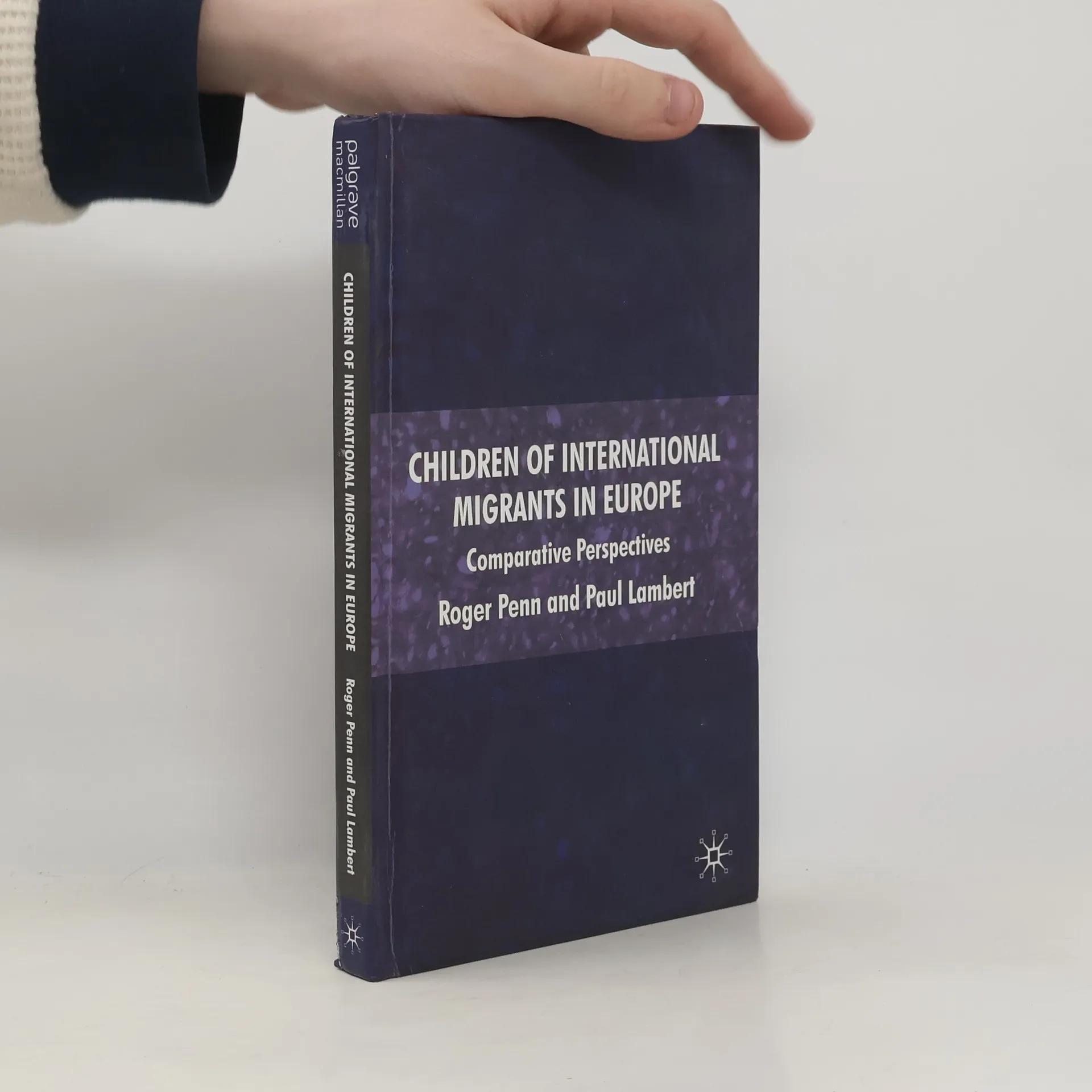
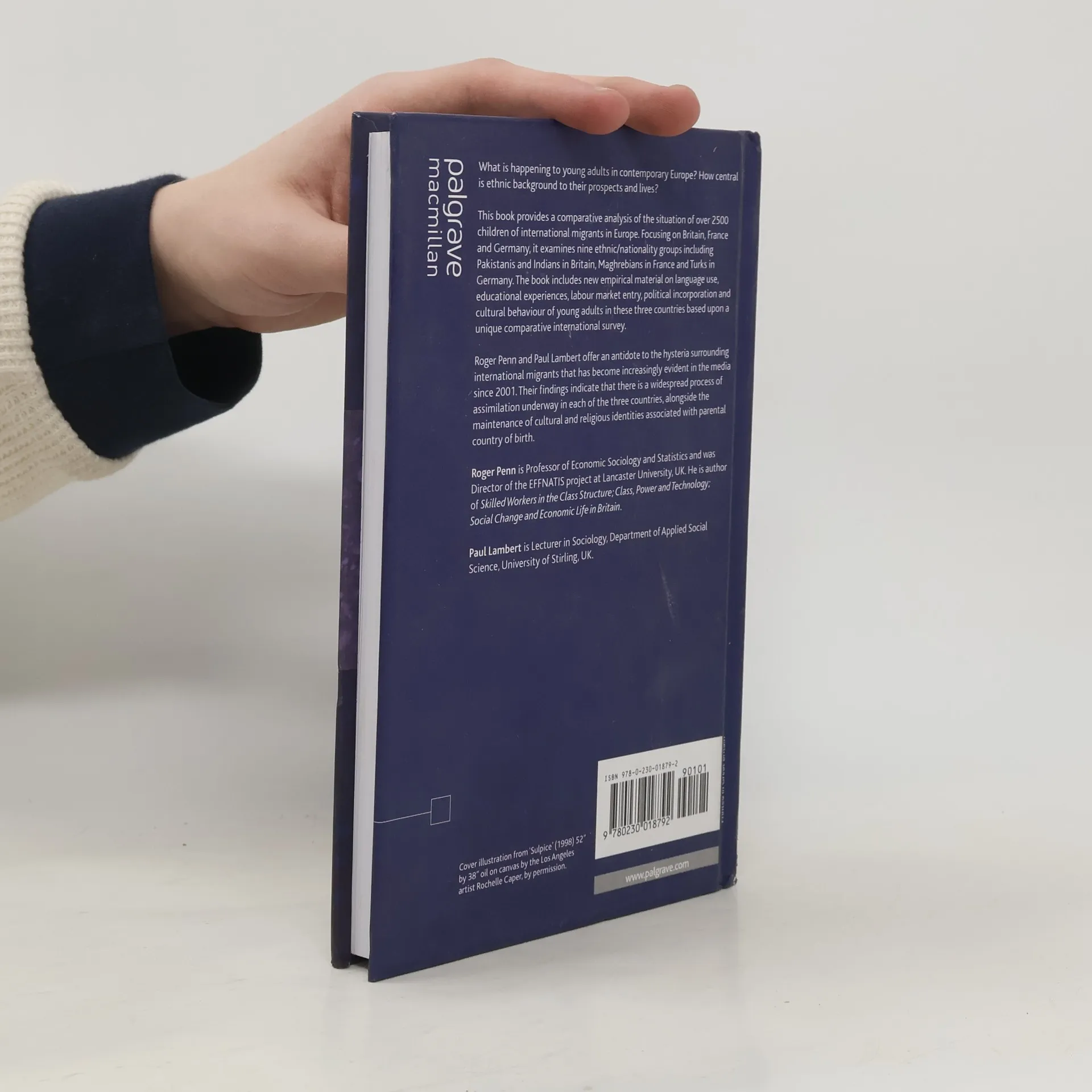
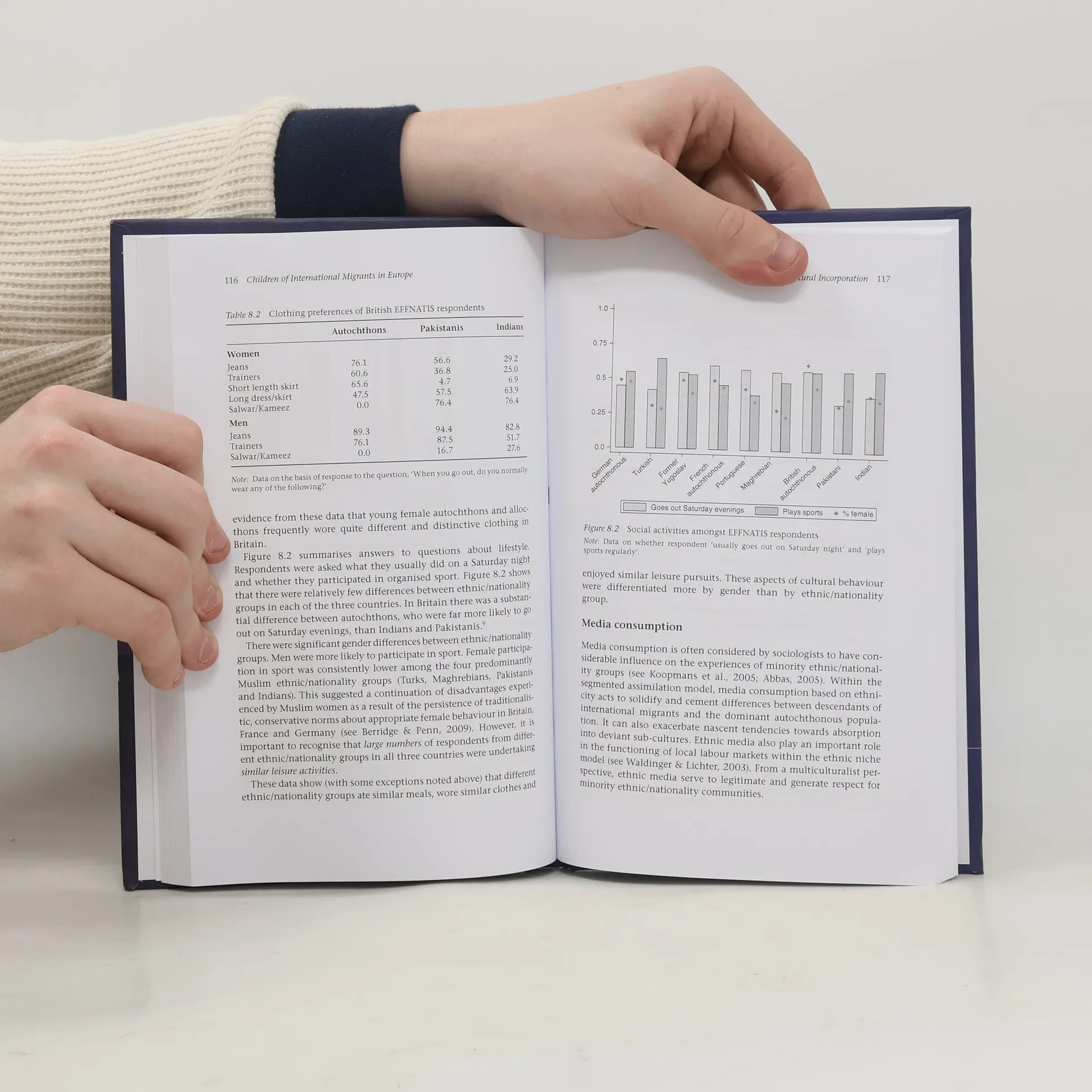
The authors provide a comparison of the situation of young adults who are the children of international migrants in Britain, France and Germany. The evidence is primarily based upon a common sociological survey undertaken in each of the three countries. The initial chapter presents the three main theoretical approaches to the incorporation of international migrants and their children. The core of the book examines the relative explanatory power of each in relation to a wide range of themes: language use; education; training and the labour market; politics and religion; social interaction and media; culture and identity.
Zakup książki
Children of International Migrants in Europe, Roger D. Penn, Paul S. Lambert
- Język

- Rok wydania
- 2008
- Oprawa
- (twarda)
Jak tylko się pojawi, wyślemy Ci wiadomość e-mail.
Metody płatności
Brakuje nam tutaj Twojej recenzji.
- Tytuł
- Children of International Migrants in Europe
- Podtytuł
- Comparative Perspectives
- Język
- angielski
- Autorzy
- Roger D. Penn, Paul S. Lambert
- Wydawca
- Palgrave Macmillan
- Rok wydania
- 2008
- Oprawa
- twarda
- Liczba stron
- 211
- ISBN10
- 0230018793
- ISBN13
- 9780230018792
- Seria
- Kategorie
- Tagi
- Tematy prawne, Dzieci, Edukacja & Szkolnictwo, Europa, Literatura fachowa, Społeczeństwo, Kultura & Społeczeństwo, Historia lokalna, Teorie polityczne, Zachodnia Europa, Prawo cywilne, Migracja, Imigranci, Polityka społeczna, Warunki Społeczne, Cudzoziemcy
- Ocena
- 4 z 5
- Opis
- The authors provide a comparison of the situation of young adults who are the children of international migrants in Britain, France and Germany. The evidence is primarily based upon a common sociological survey undertaken in each of the three countries. The initial chapter presents the three main theoretical approaches to the incorporation of international migrants and their children. The core of the book examines the relative explanatory power of each in relation to a wide range of themes: language use; education; training and the labour market; politics and religion; social interaction and media; culture and identity.