

Więcej o książce
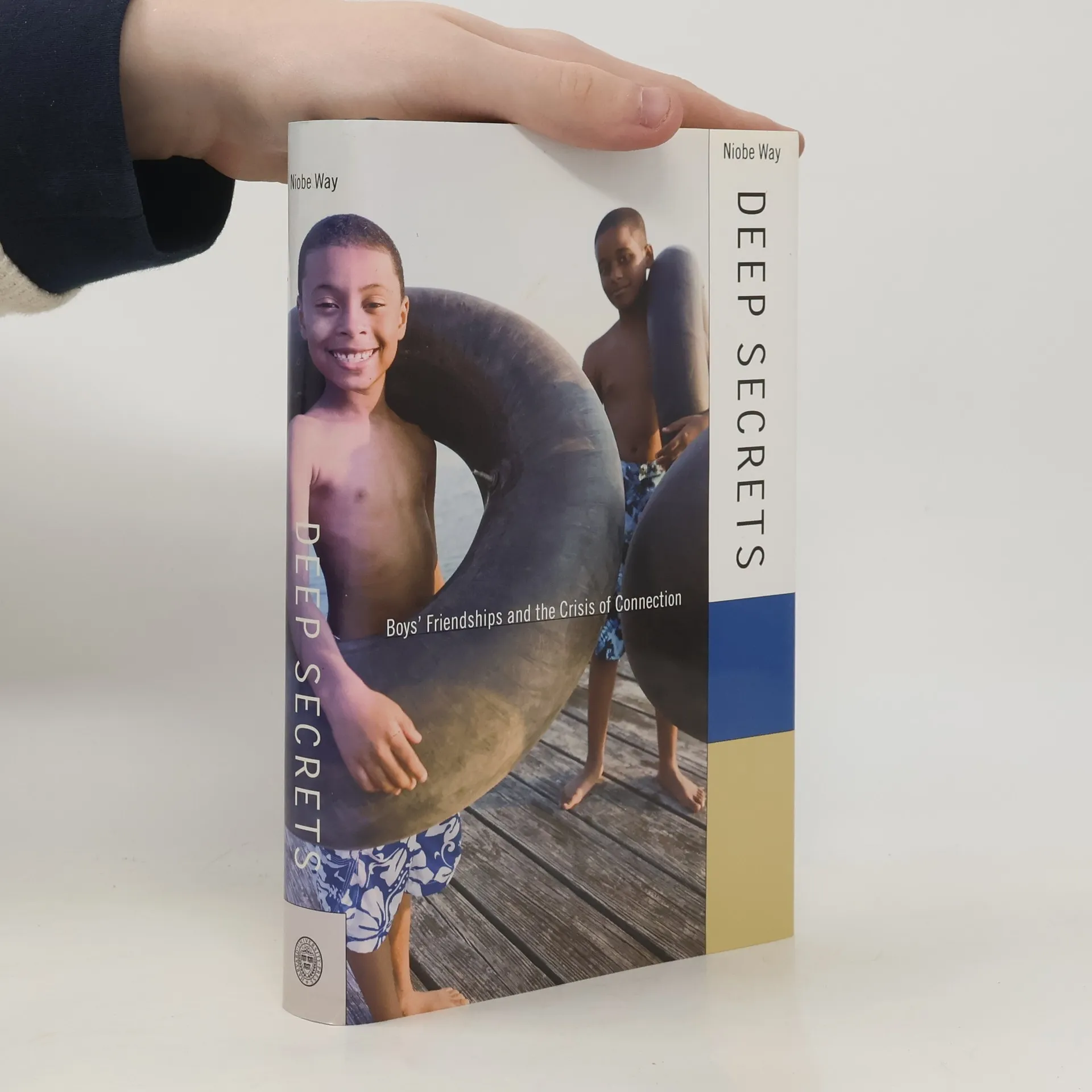
"Boys are emotionally illiterate and don't want intimate friendships." Niobe Way challenges stereotypes about boys and men by revealing the intense intimacy among teenage boys during early and middle adolescence. Contrary to popular belief, boys share their deepest secrets and feelings with close male friends, claiming they would go "wacko" without them. However, as they transition into adulthood, they become distrustful, lose these friendships, and feel isolated. Drawing from extensive interviews with boys of diverse backgrounds, the narrative exposes a false story about boys, friendships, and human nature. Their descriptions of male friendships resemble "Love Story" more than "Lord of the Flies." Yet, in late adolescence, societal pressures compel boys to "man up," adopting stoicism and independence, while vulnerable emotions are deemed appropriate only for girls and gay men. This alarming trend highlights the detrimental links between friendships, health, and longevity. Way argues that boys are facing a "crisis of connection," living in a culture that associates emotional needs with femininity and homosexuality, thus discouraging these expressions in heterosexual males. The solution lies in challenging gender stereotypes and nurturing these vital relationships and human skills.
Zakup książki
Deep Secrets, Niobe Way
- Język

- Rok wydania
- 2011
- Oprawa
- (twarda)
Metody płatności
Brakuje nam tutaj Twojej recenzji.
- Tytuł
- Deep Secrets
- Podtytuł
- Boys' Friendships and the Crisis of Connection
- Język
- angielski
- Autorzy
- Niobe Way
- Wydawca
- Harvard University Press
- Rok wydania
- 2011
- Oprawa
- twarda
- Liczba stron
- 336
- ISBN10
- 0674046641
- ISBN13
- 9780674046641
- Seria
- Tagi
- Tematyka psychologiczna, Kobiety, USA, Relacje, Feminizm, Rodzicielstwo, Strata, Rasa & Rasizm, Pragnienie, Zdrada, Gender, Gniew, Psychologia społeczna, Empatia, Etniczność, Izolacja, Psychologia płci
- Ocena
- 4,1 z 5
- Opis
- "Boys are emotionally illiterate and don't want intimate friendships." Niobe Way challenges stereotypes about boys and men by revealing the intense intimacy among teenage boys during early and middle adolescence. Contrary to popular belief, boys share their deepest secrets and feelings with close male friends, claiming they would go "wacko" without them. However, as they transition into adulthood, they become distrustful, lose these friendships, and feel isolated. Drawing from extensive interviews with boys of diverse backgrounds, the narrative exposes a false story about boys, friendships, and human nature. Their descriptions of male friendships resemble "Love Story" more than "Lord of the Flies." Yet, in late adolescence, societal pressures compel boys to "man up," adopting stoicism and independence, while vulnerable emotions are deemed appropriate only for girls and gay men. This alarming trend highlights the detrimental links between friendships, health, and longevity. Way argues that boys are facing a "crisis of connection," living in a culture that associates emotional needs with femininity and homosexuality, thus discouraging these expressions in heterosexual males. The solution lies in challenging gender stereotypes and nurturing these vital relationships and human skills.