

Więcej o książce
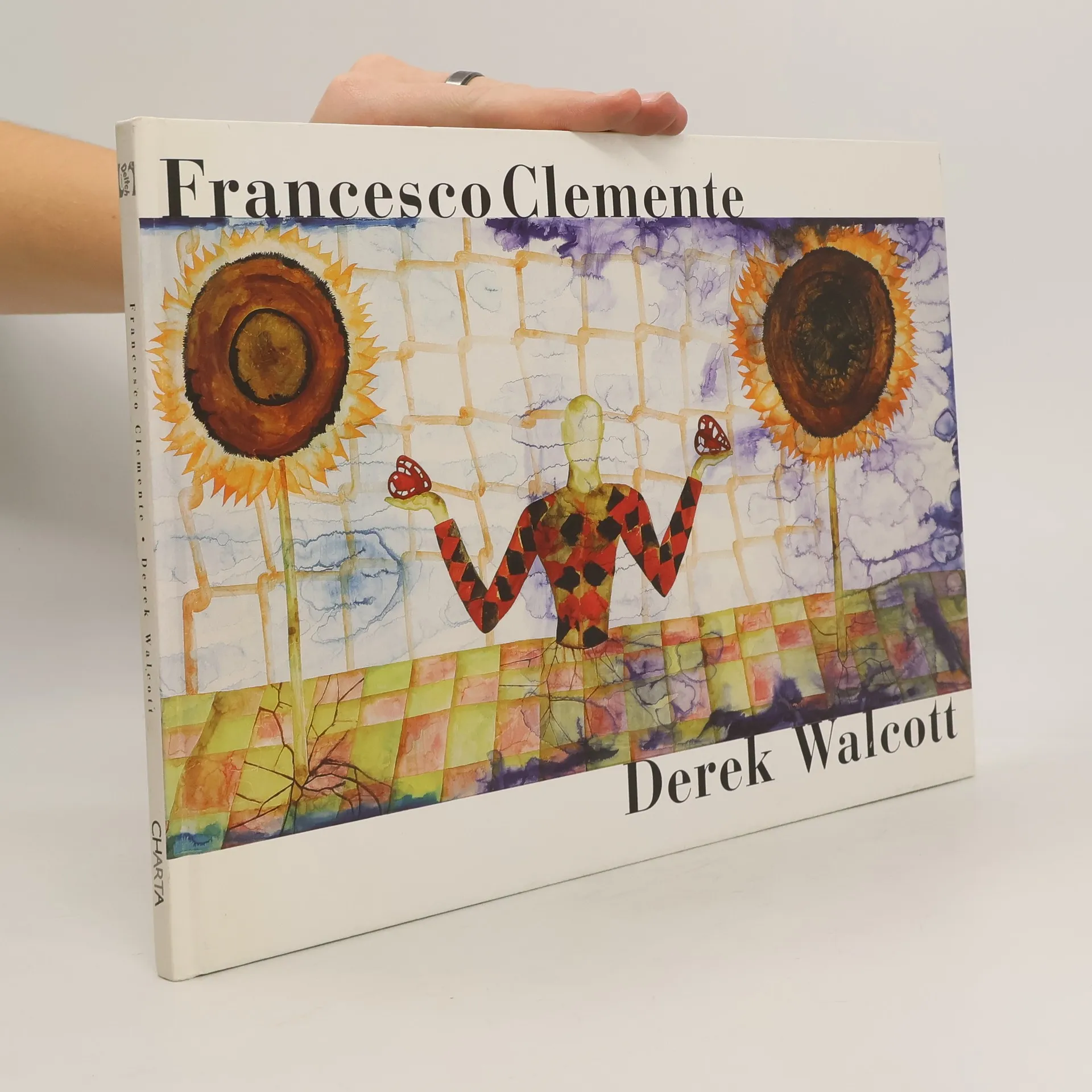
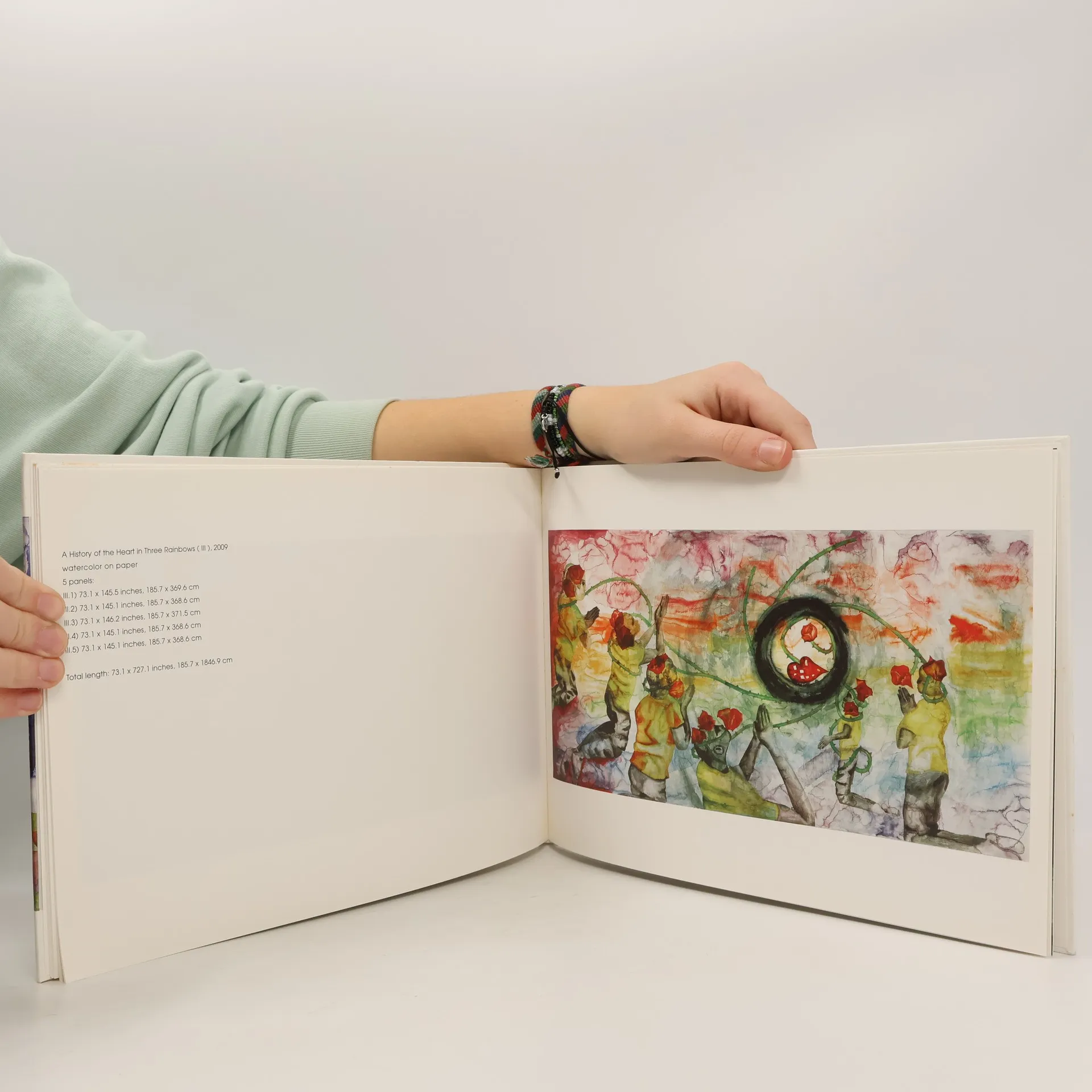
Francesco Clemente's new Three Rainbows project had a prolonged gestation; for years he had wanted to use watercolor and to paint rainbows, but only recently did the moment ripen. Three Rainbows began as three 60-foot long rainbow paintings--probably the largest watercolors ever made. For Clemente, whose attraction to given forms (such as the mandala) has long formed an integral part of his iconography, the rainbow suggests a number of important it is a bridge (and therefore a structure that brings things together), a phenomenon that occurs after a period of darkness (Clemente's works of recent years had darkened noticeably) and a reversible image capable of leading the eye in opposite directions. The artist's affinity for watercolor derives in part from the medium's immediacy--an ideal vehicle for Allen Ginsberg's "first thought, best thought"--and these works betray his spontaneity and joy in making them.
Zakup książki
Francesco Clemente, Derek Walcott
- Język

- Rok wydania
- 2009
- Oprawa
- (twarda)
Metody płatności
Brakuje nam tutaj Twojej recenzji.
- Tytuł
- Francesco Clemente
- Język
- angielski
- Autorzy
- Derek Walcott
- Wydawca
- Charta
- Rok wydania
- 2009
- Oprawa
- twarda
- Liczba stron
- 32
- ISBN10
- 8881587459
- ISBN13
- 9788881587452
- Seria
- Kategorie
- Tagi
- Sztuki piękne
- Ocena
- 5 z 5
- Opis
- Francesco Clemente's new Three Rainbows project had a prolonged gestation; for years he had wanted to use watercolor and to paint rainbows, but only recently did the moment ripen. Three Rainbows began as three 60-foot long rainbow paintings--probably the largest watercolors ever made. For Clemente, whose attraction to given forms (such as the mandala) has long formed an integral part of his iconography, the rainbow suggests a number of important it is a bridge (and therefore a structure that brings things together), a phenomenon that occurs after a period of darkness (Clemente's works of recent years had darkened noticeably) and a reversible image capable of leading the eye in opposite directions. The artist's affinity for watercolor derives in part from the medium's immediacy--an ideal vehicle for Allen Ginsberg's "first thought, best thought"--and these works betray his spontaneity and joy in making them.