


Parametry
- 272 strony
- 10 godzin czytania
Więcej o książce
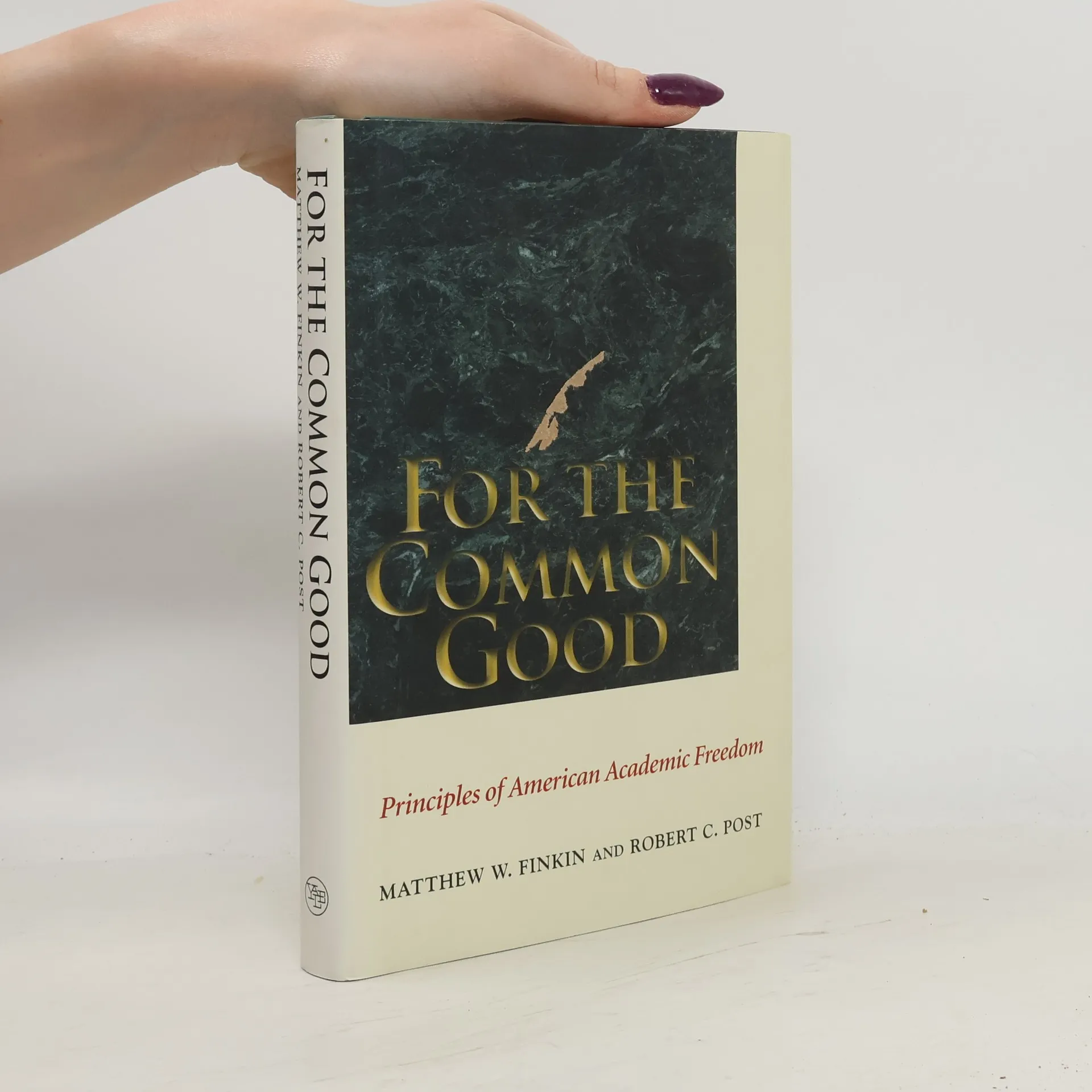
Debates about academic freedom have become increasingly fierce and frequent. Legislative efforts to regulate American professors proliferate across the nation. Although most American scholars desire to protect academic freedom, they have only a vague and uncertain apprehension of its basic principles and structure. This book offers a concise explanation of the history and meaning of American academic freedom, and it attempts to intervene in contemporary debates by clarifying the fundamental functions and purposes of academic freedom in America. Matthew W. Finkin and Robert C. Post trace how the American conception of academic freedom was first systematically articulated in 1915 by the American Association of University Professors (AAUP) and how this conception was in subsequent years elaborated and applied by Committee A of the AAUP. The authors discuss the four primary dimensions of academic freedom—research and publication, teaching, intramural speech, and extramural speech. They carefully distinguish academic freedom from the kind of individual free speech right that is created by the First Amendment. The authors strongly argue that academic freedom protects the capacity of faculty to pursue the scholar’s profession according to the standards of that profession.
Zakup książki
For the Common Good, Matthew W. Finkin, Robert C. Post
- Język

- Rok wydania
- 2009
- Oprawa
- (twarda)
Metody płatności
Brakuje nam tutaj Twojej recenzji.
- Tytuł
- For the Common Good
- Podtytuł
- Principles of American Academic Freedom
- Język
- angielski
- Autorzy
- Matthew W. Finkin, Robert C. Post
- Wydawca
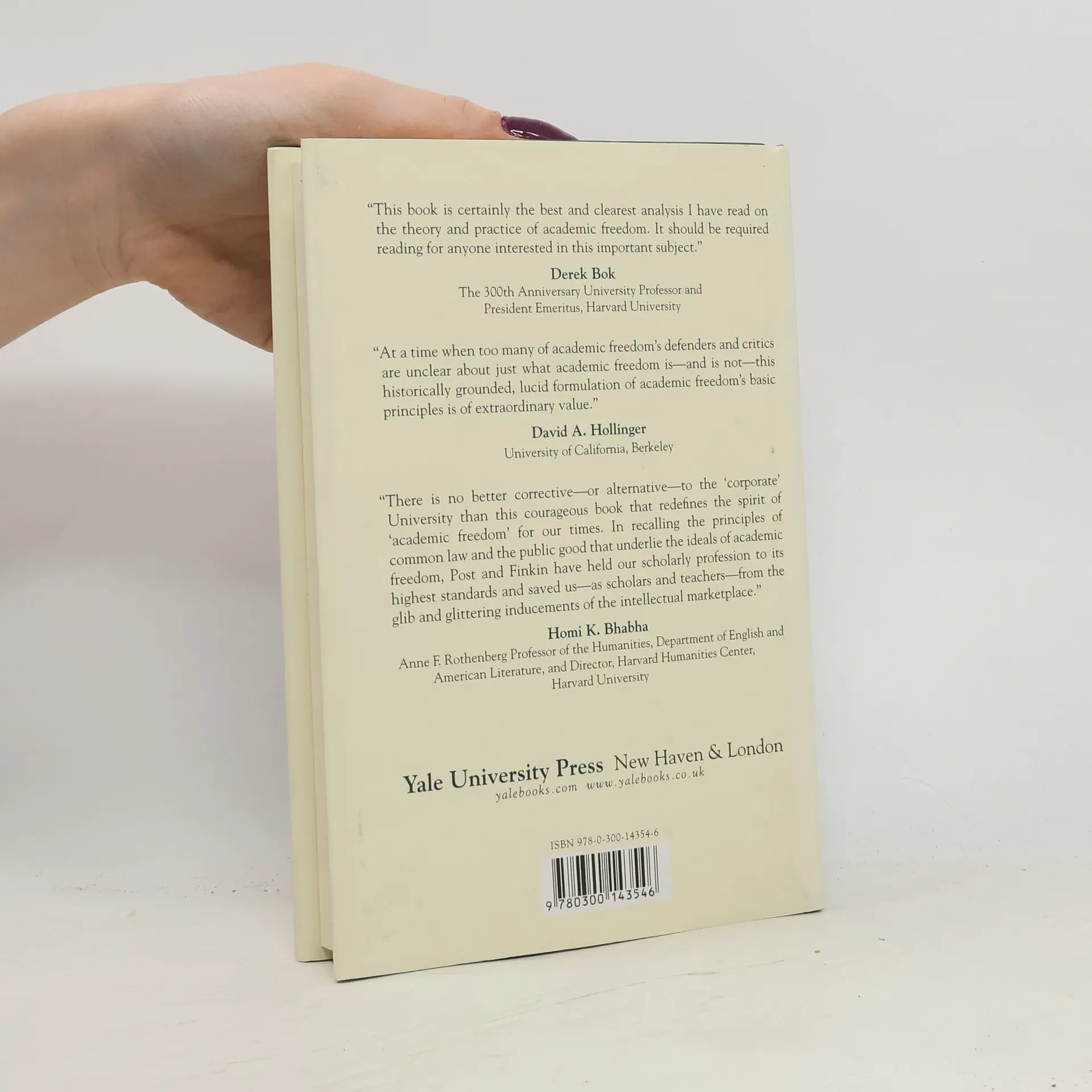
- Yale University Press
- Rok wydania
- 2009
- Oprawa
- twarda
- Liczba stron
- 272
- ISBN10
- 0300143540
- ISBN13
- 9780300143546
- Seria
- Ocena
- 3,7 z 5
- Opis
- Debates about academic freedom have become increasingly fierce and frequent. Legislative efforts to regulate American professors proliferate across the nation. Although most American scholars desire to protect academic freedom, they have only a vague and uncertain apprehension of its basic principles and structure. This book offers a concise explanation of the history and meaning of American academic freedom, and it attempts to intervene in contemporary debates by clarifying the fundamental functions and purposes of academic freedom in America. Matthew W. Finkin and Robert C. Post trace how the American conception of academic freedom was first systematically articulated in 1915 by the American Association of University Professors (AAUP) and how this conception was in subsequent years elaborated and applied by Committee A of the AAUP. The authors discuss the four primary dimensions of academic freedom—research and publication, teaching, intramural speech, and extramural speech. They carefully distinguish academic freedom from the kind of individual free speech right that is created by the First Amendment. The authors strongly argue that academic freedom protects the capacity of faculty to pursue the scholar’s profession according to the standards of that profession.