


Więcej o książce
With increasing international competition, American firms face pressure to enhance products, reduce costs, and boost efficiency, leading to shifts in labor priorities. Workforce stability has diminished in importance, long-term commitments are less appealing, and labor costs, particularly fringe benefits, are scrutinized. This reorganization raises critical questions about workers' rights in the workplace. Employers now require highly motivated, skilled employees and have adopted innovative management strategies to gain their support. Recent national legislation has expanded workers' rights, including mandatory notifications for plant closings, enhanced protections for disabled and older workers, while state legislators and courts have also strengthened employee protections. Richard Edwards examines the evolution of workers' rights and the institutions enforcing them, focusing on the decline of American unions and its impact on traditional rights. As unions have shifted from influential entities to marginal players, political backing for workers' rights has waned. Edwards also analyzes how state courts are revising legal interpretations of employment contracts, potentially transforming employment law. He seeks common ground amid the employer-worker debate, proposing a new system of employment relations that could benefit both parties. His innovative public policy strategies aim to protect workers' rights while enabling emplo
Zakup książki
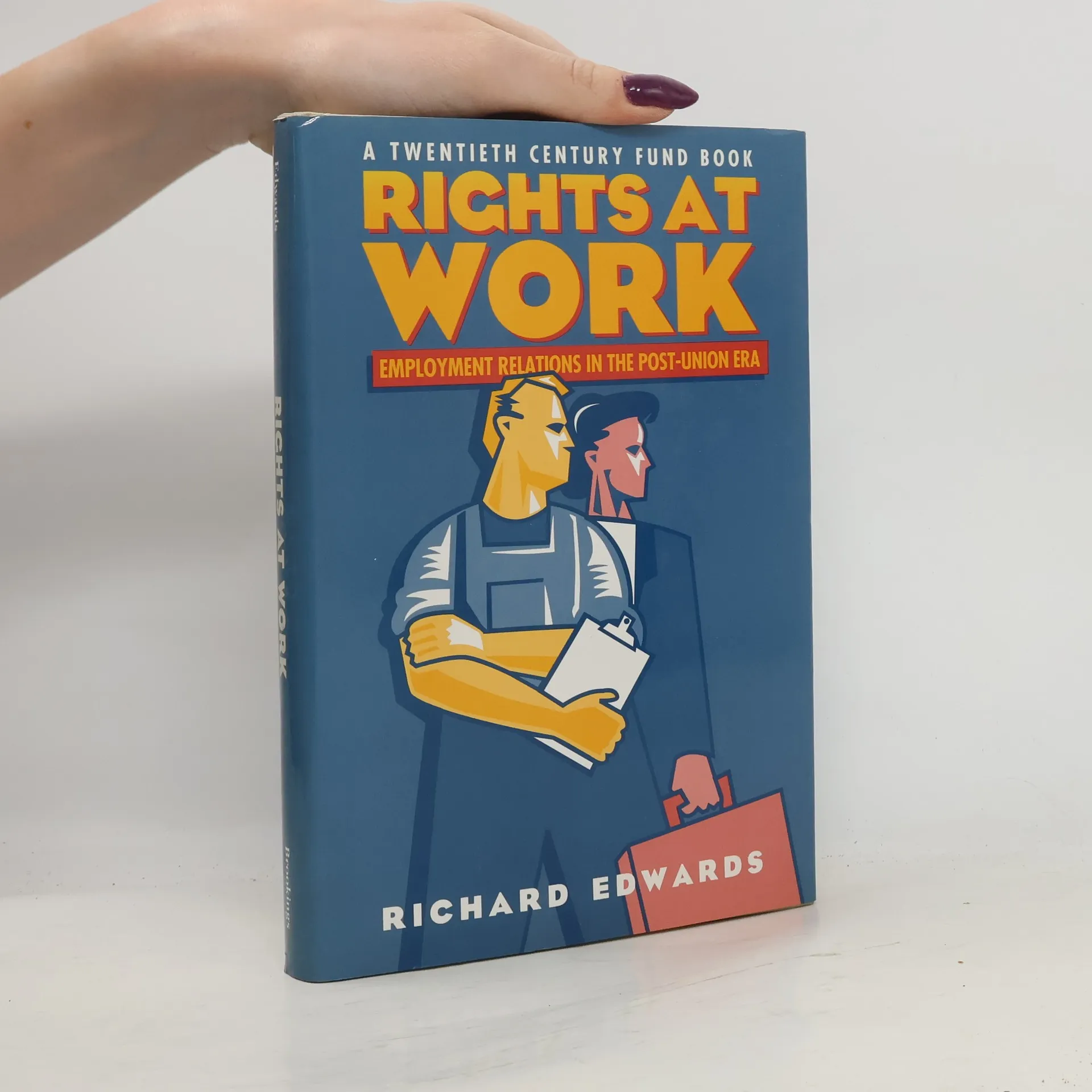
A Twentieth Century Fund Book: Rights at Work, Richard Edwards
- Język

- Rok wydania
- 1993
- Oprawa
- (twarda),
- Stan książki
- Dobry
- Cena
- 1,43 zł
Metody płatności
Nikt jeszcze nie ocenił.
- Tytuł
- A Twentieth Century Fund Book: Rights at Work
- Podtytuł
- Employment Relations in the Post-Union Era
- Język
- angielski
- Autorzy
- Richard Edwards
- Wydawca
- Brookings Inst Pr
- Rok wydania
- 1993
- Oprawa
- twarda
- Liczba stron
- 265
- ISBN10
- 0815721048
- ISBN13
- 9780815721048
- Seria
- Kategorie
- Tagi
- Biznes, Tematy prawne, USA, Teorie polityczne
- Opis
- With increasing international competition, American firms face pressure to enhance products, reduce costs, and boost efficiency, leading to shifts in labor priorities. Workforce stability has diminished in importance, long-term commitments are less appealing, and labor costs, particularly fringe benefits, are scrutinized. This reorganization raises critical questions about workers' rights in the workplace. Employers now require highly motivated, skilled employees and have adopted innovative management strategies to gain their support. Recent national legislation has expanded workers' rights, including mandatory notifications for plant closings, enhanced protections for disabled and older workers, while state legislators and courts have also strengthened employee protections. Richard Edwards examines the evolution of workers' rights and the institutions enforcing them, focusing on the decline of American unions and its impact on traditional rights. As unions have shifted from influential entities to marginal players, political backing for workers' rights has waned. Edwards also analyzes how state courts are revising legal interpretations of employment contracts, potentially transforming employment law. He seeks common ground amid the employer-worker debate, proposing a new system of employment relations that could benefit both parties. His innovative public policy strategies aim to protect workers' rights while enabling emplo