

Więcej o książce
The collapse of Britain's powerful labor movement in the last quarter century has been one of the most significant and astonishing stories in recent political history. How were the governments of Margaret Thatcher and her successors able to tame the unions? In analyzing how an entirely new industrial relations system was constructed after 1979, Howell offers a revisionist history of British trade unionism in the twentieth century. Most scholars regard Britain's industrial relations institutions as the product of a largely laissez faire system of labor relations, punctuated by occasional government interference. Howell, on the other hand, argues that the British state was the prime architect of three distinct systems of industrial relations established in the course of the twentieth century. The book contends that governments used a combination of administrative and judicial action, legislation, and a narrative of crisis to construct new forms of labor relations. Understanding the demise of the unions requires a reinterpretation of how these earlier systems were constructed, and the role of the British government in that process. Meticulously researched, Trade Unions and the State not only sheds new light on one of Thatcher's most significant achievements but also tells us a great deal about the role of the state in industrial relations.
Zakup książki
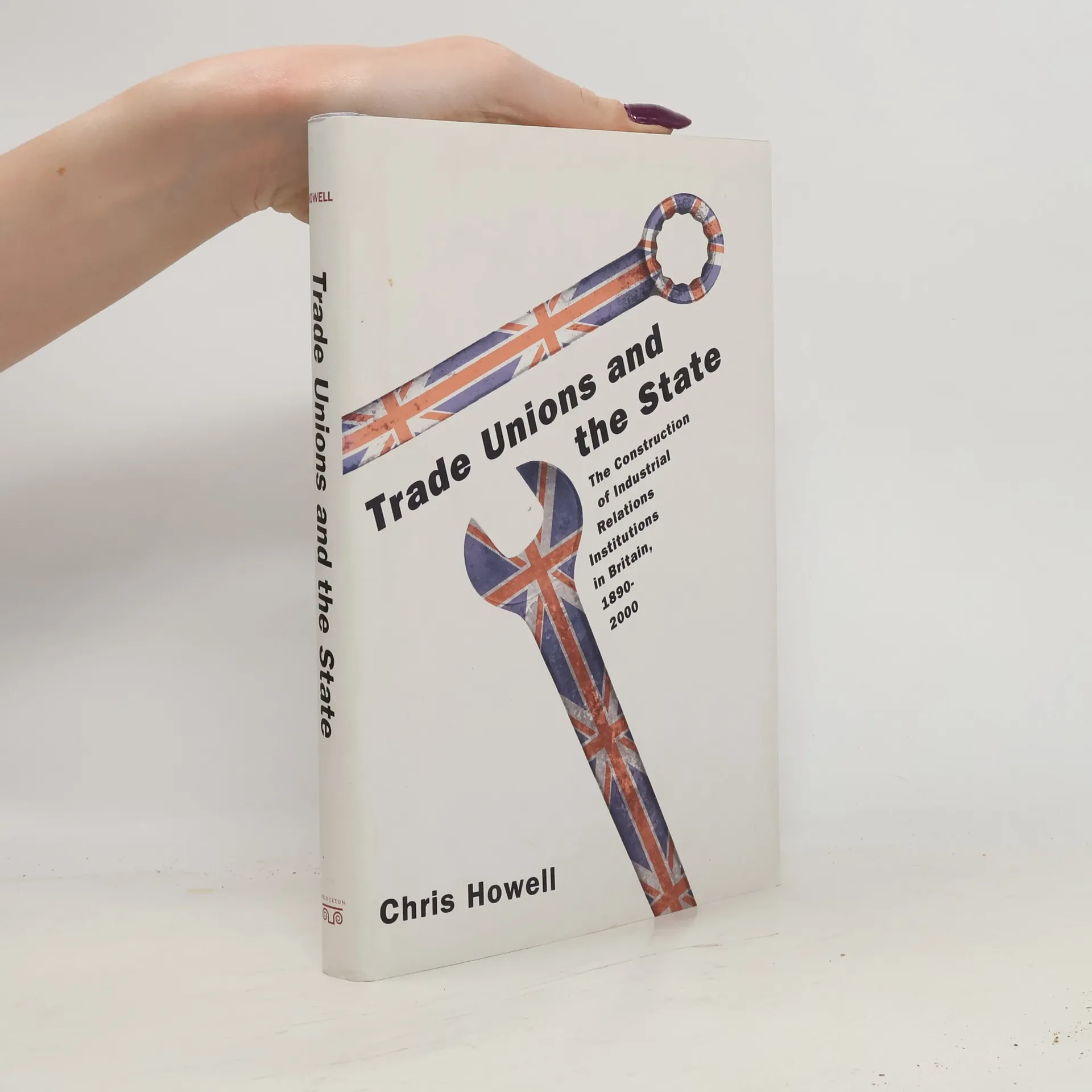
Trade Unions and the State, Chris Howell
- Język

- Rok wydania
- 2005
- Oprawa
- (twarda)
Metody płatności
Nikt jeszcze nie ocenił.
- Tytuł
- Trade Unions and the State
- Podtytuł
- The Construction of Industrial Relations Institutions in Britain, 1890-2000
- Język
- angielski
- Autorzy
- Chris Howell
- Wydawca
- Princeton University Press
- Rok wydania
- 2005
- Oprawa
- twarda
- Liczba stron
- 243
- ISBN10
- 0691121060
- ISBN13
- 9780691121062
- Seria
- Kategorie
- Tagi
- Biznes, USA, XX wiek, Europa, Wielka Brytania, Teorie polityczne, Ruch robotniczy, Związki zawodowe
- Opis
- The collapse of Britain's powerful labor movement in the last quarter century has been one of the most significant and astonishing stories in recent political history. How were the governments of Margaret Thatcher and her successors able to tame the unions? In analyzing how an entirely new industrial relations system was constructed after 1979, Howell offers a revisionist history of British trade unionism in the twentieth century. Most scholars regard Britain's industrial relations institutions as the product of a largely laissez faire system of labor relations, punctuated by occasional government interference. Howell, on the other hand, argues that the British state was the prime architect of three distinct systems of industrial relations established in the course of the twentieth century. The book contends that governments used a combination of administrative and judicial action, legislation, and a narrative of crisis to construct new forms of labor relations. Understanding the demise of the unions requires a reinterpretation of how these earlier systems were constructed, and the role of the British government in that process. Meticulously researched, Trade Unions and the State not only sheds new light on one of Thatcher's most significant achievements but also tells us a great deal about the role of the state in industrial relations.