



Ocena książki
Parametry
- 268 stron
- 10 godzin czytania
Więcej o książce
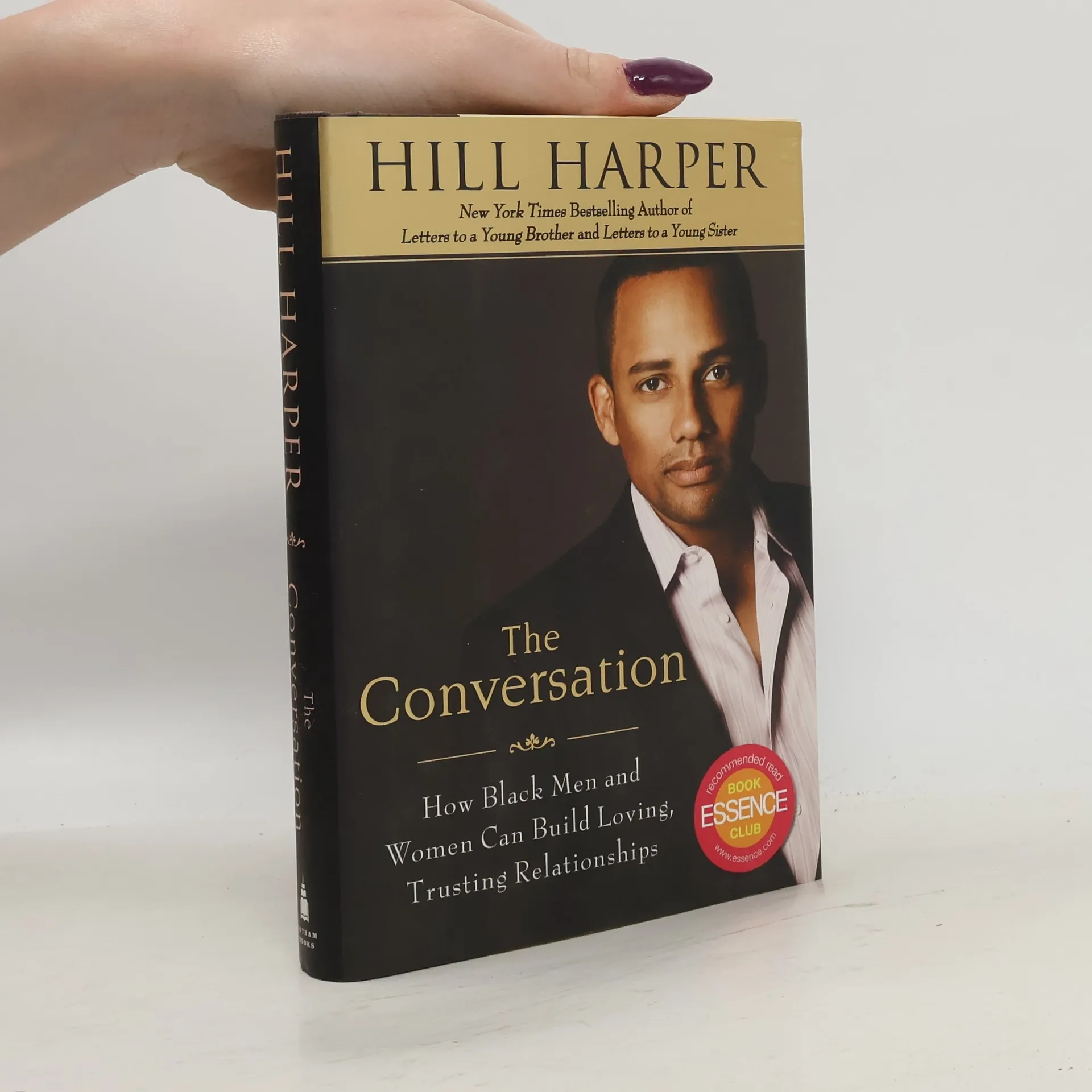
In his first book for adults, New York Times bestselling author Hill Harper engages in an honest dialogue about the breakdown of African-American relationships. Historically, African Americans have relied on family during difficult times, but this vital legacy is now at risk. Effective communication between Black men and women has diminished, jeopardizing the relationships and marriages essential for sustaining the Black family. Currently, less than a third of Black children grow up in two-parent households, a significant decline from previous generations. Harper explores the challenges that hinder Black men and women from forming long-term, loving relationships. He embarks on a journey—both universal and personal—seeking answers through conversations with friends and strangers, including those who are married, single, or divorced. These discussions reveal common themes of private struggles and emotional vulnerabilities. As he reflects on others' experiences, Harper recognizes his own relationship challenges. He addresses the misinformation and mistrust that exist between the sexes and tackles the stereotypes prevalent in the Black community. By confronting these issues, he hopes to foster communication and inspire individuals to take charge of their relationship crises, ultimately guiding them toward successful, sustainable connections.
Zakup książki
The Conversation, Hill Harper
- Język

- Rok wydania
- 2009
- Oprawa
- (twarda)
Metody płatności
Brakuje nam tutaj Twojej recenzji.
- Tytuł
- The Conversation
- Podtytuł
- How Black Men and Women Can Build Loving, Trusting Relationships
- Język
- angielski
- Autorzy
- Hill Harper
- Wydawca
- Gotham books
- Rok wydania
- 2009
- Oprawa
- twarda
- Liczba stron
- 268
- ISBN10
- 1592404758
- ISBN13
- 9781592404759
- Seria
- Kategorie
- Ocena
- 4,1 z 5
- Opis
- In his first book for adults, New York Times bestselling author Hill Harper engages in an honest dialogue about the breakdown of African-American relationships. Historically, African Americans have relied on family during difficult times, but this vital legacy is now at risk. Effective communication between Black men and women has diminished, jeopardizing the relationships and marriages essential for sustaining the Black family. Currently, less than a third of Black children grow up in two-parent households, a significant decline from previous generations. Harper explores the challenges that hinder Black men and women from forming long-term, loving relationships. He embarks on a journey—both universal and personal—seeking answers through conversations with friends and strangers, including those who are married, single, or divorced. These discussions reveal common themes of private struggles and emotional vulnerabilities. As he reflects on others' experiences, Harper recognizes his own relationship challenges. He addresses the misinformation and mistrust that exist between the sexes and tackles the stereotypes prevalent in the Black community. By confronting these issues, he hopes to foster communication and inspire individuals to take charge of their relationship crises, ultimately guiding them toward successful, sustainable connections.