



Więcej o książce
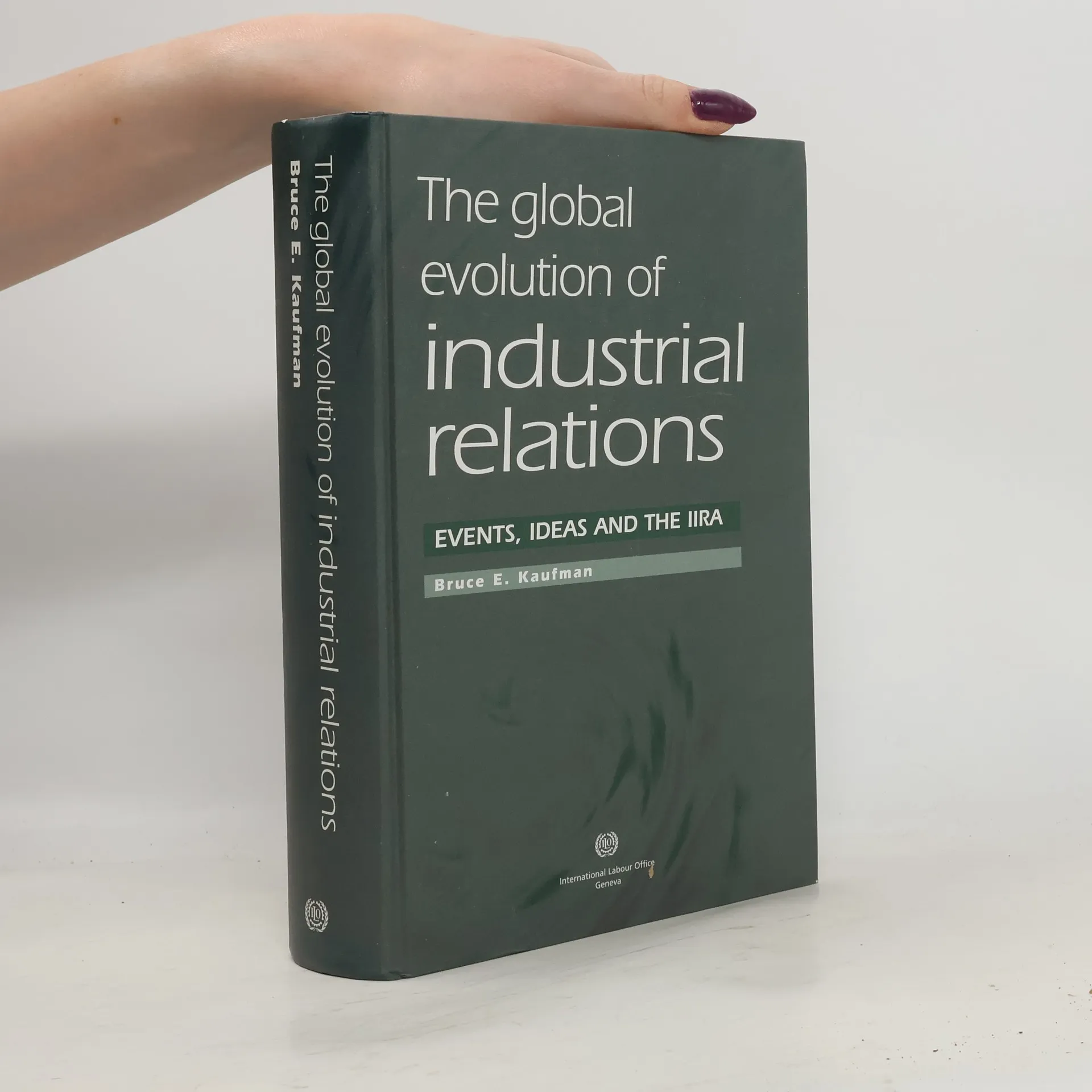
This landmark volume chronicles the history and practice of industrial relations to date. It focuses on the largely untold story of how the globalization of industrial relations took hold and explores in depth the pivotal events, idea, and people behind it. For the most part, the roots of industrial relations field are found in the United Kingdom and North America, and this volume takes a substantive look at the field and practice that developed in these regions before the Second World War. A comprehensive and informative account of post-World War II events is also provided. The book highlights the four all-important pillars that shaped industrial relations after this period: the International Labour Organization, the International Industrial Relations Association (IIRA), American intellectual dominance in the several decades following the war, and the spread of industrialism, market economies, trade union movements, and democratic forms of government to many non-Western nations.
Zakup książki
The Global Evolution of Industrial Relations, Bruce E. Kaufman, International Labour Office
- Język

- Rok wydania
- 2004
- Oprawa
- (twarda)
Metody płatności
Brakuje nam tutaj Twojej recenzji.
- Tytuł
- The Global Evolution of Industrial Relations
- Podtytuł
- Events, Ideas and the IIRA
- Język
- angielski
- Wydawca
- International Labor Office
- Rok wydania
- 2004
- Oprawa
- twarda
- Liczba stron
- 722
- ISBN10
- 9221141535
- ISBN13
- 9789221141532
- Seria
- Kategorie
- Ocena
- 5 z 5
- Opis
- This landmark volume chronicles the history and practice of industrial relations to date. It focuses on the largely untold story of how the globalization of industrial relations took hold and explores in depth the pivotal events, idea, and people behind it. For the most part, the roots of industrial relations field are found in the United Kingdom and North America, and this volume takes a substantive look at the field and practice that developed in these regions before the Second World War. A comprehensive and informative account of post-World War II events is also provided. The book highlights the four all-important pillars that shaped industrial relations after this period: the International Labour Organization, the International Industrial Relations Association (IIRA), American intellectual dominance in the several decades following the war, and the spread of industrialism, market economies, trade union movements, and democratic forms of government to many non-Western nations.