

Ocena książki
Więcej o książce
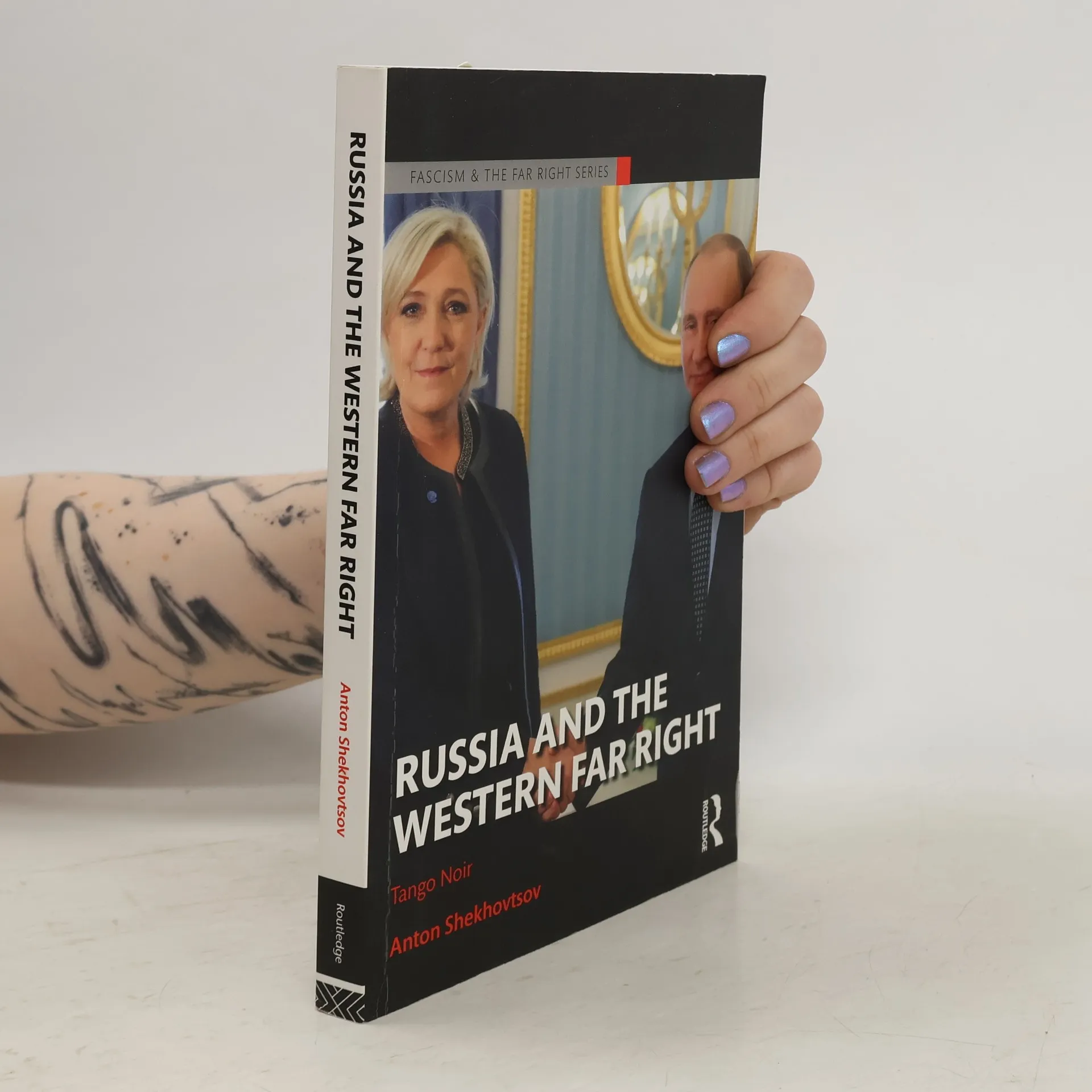
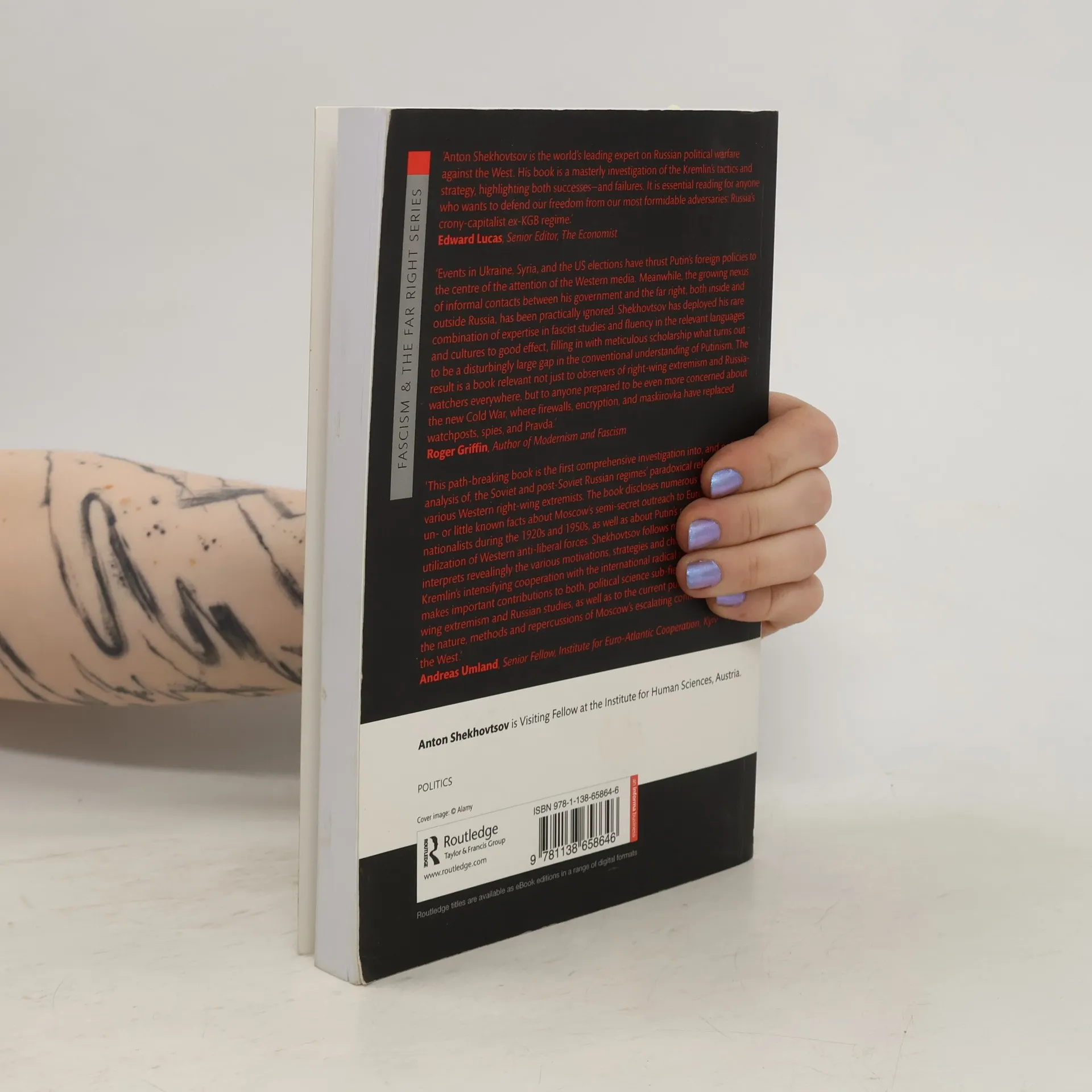
The growing influence of the Western far right has garnered significant media attention. This book offers a detailed examination of an often-overlooked trend: the increasing connections between Russian figures and Western far right activists, ideologues, and politicians. Utilizing a variety of sources, including interviews, video footage, leaked communications, official statements, and press coverage, the author explores both historical and contemporary ties between Russia and the Western far right. Initial interactions began in the early 1990s but were relatively low profile. As Moscow's stance has shifted towards anti-Western sentiment, these connections have intensified and escalated in prominence. The Russian establishment initially sought to leverage the Western far right to legitimize its domestic and international actions. More recently, however, Moscow has actively supported specific far right political factions to exert influence over European politics and challenge the liberal-democratic consensus in the West. This work contributes to ongoing scholarly discussions regarding Russia's global role, strategies for legitimizing Putin's regime, modern information warfare, and far right activism, making it relevant for students, scholars, activists, and practitioners in these fields.
Zakup książki
Routledge Studies in Fascism and the Far Right: Russia and the Western Far Right, Anton Shekhovtsov
- Język

- Rok wydania
- 2017
- Oprawa
- (miękka)
Metody płatności
Brakuje nam tutaj Twojej recenzji.
- Tytuł
- Routledge Studies in Fascism and the Far Right: Russia and the Western Far Right
- Język
- angielski
- Autorzy
- Anton Shekhovtsov
- Wydawca
- Routledge
- Rok wydania
- 2017
- Oprawa
- miękka
- Liczba stron
- 294
- ISBN10
- 1138658642
- ISBN13
- 9781138658646
- Tagi
- Tematy historyczne, Polityka, USA, Europa, Rosja, Teorie polityczne, Stosunki międzynarodowe, Aktorzy, Aktywizm, Skrajna prawica
- Ocena
- 4 z 5
- Opis
- The growing influence of the Western far right has garnered significant media attention. This book offers a detailed examination of an often-overlooked trend: the increasing connections between Russian figures and Western far right activists, ideologues, and politicians. Utilizing a variety of sources, including interviews, video footage, leaked communications, official statements, and press coverage, the author explores both historical and contemporary ties between Russia and the Western far right. Initial interactions began in the early 1990s but were relatively low profile. As Moscow's stance has shifted towards anti-Western sentiment, these connections have intensified and escalated in prominence. The Russian establishment initially sought to leverage the Western far right to legitimize its domestic and international actions. More recently, however, Moscow has actively supported specific far right political factions to exert influence over European politics and challenge the liberal-democratic consensus in the West. This work contributes to ongoing scholarly discussions regarding Russia's global role, strategies for legitimizing Putin's regime, modern information warfare, and far right activism, making it relevant for students, scholars, activists, and practitioners in these fields.