

Więcej o książce
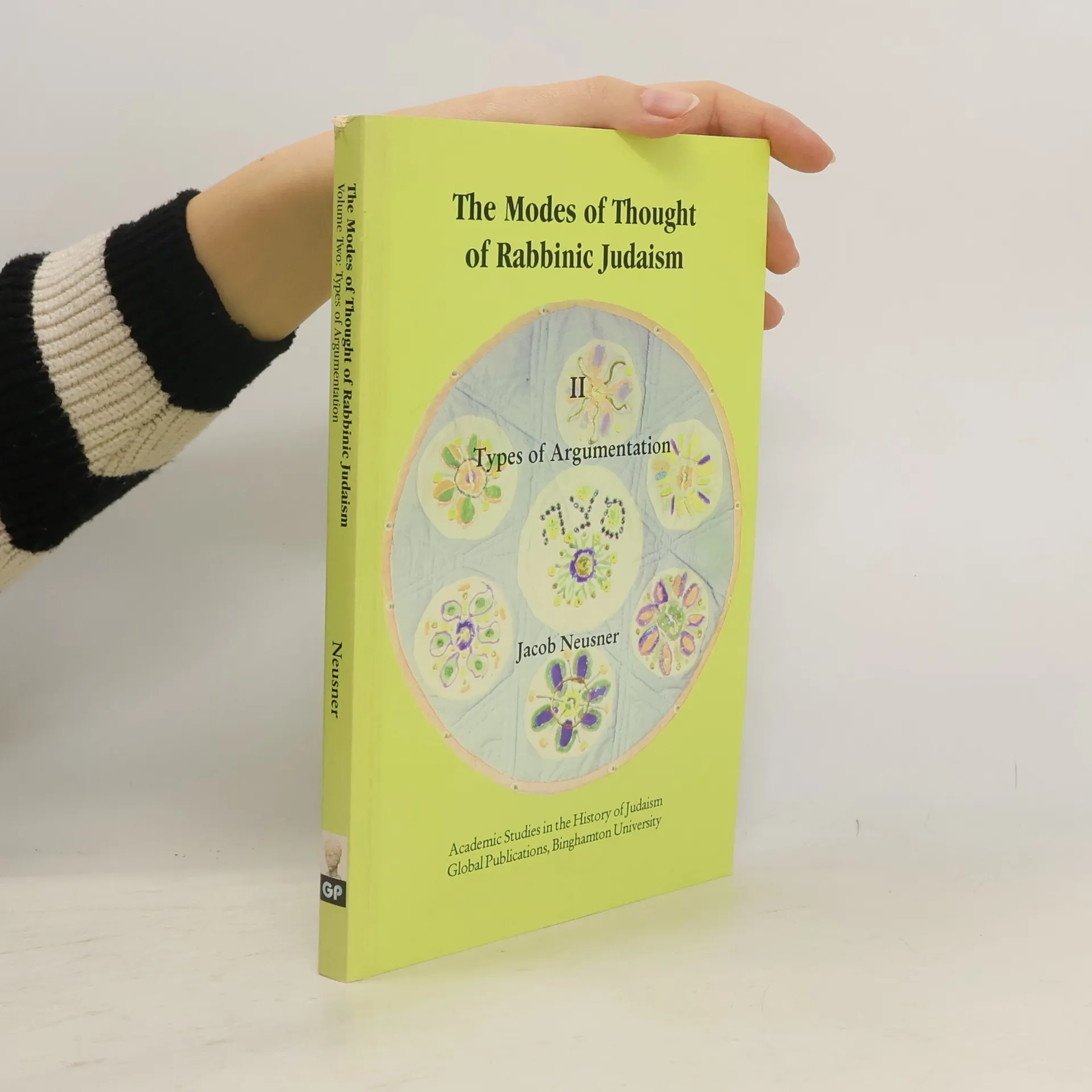
Do ubiquitous modes of thought—types of analysis, types of argumentation—pervade the entire corpus of the Rabbinic writings of late antiquity and impart coherence to those diverse documents? Here the author reports on the results of a systematic probe of representative Halakhic and Aggadic documents in search of the answer to that question. The result is limited but one-sided: the answer is yes, they do. The inquiry proves urgent, because the bases for supposing the Rabbinic documents coalesce have diminished, and the differences between and among them have made their mark. For we now realize that each of the rabbinic documents of the formative age, from the Mishnah through the Talmud of Babylonia, ca. 200–600, exhibits indicative traits that distinguish that document from all others in the Rabbinic canon. If we characterize a document by reference to its governing program of topic, rhetoric, and logic of coherent discourse, none recapitulates the definitive qualities of any other. Some share traits of common forms or rhetoric; others appeal to a logic of coherent discourse that pertains beyond their limits; and still other sets of documents may go over the same topics of propositions at some determinate points. But the particular combination of [1] rhetorical forms, [2] topical issues, and [3] the logical media of coherence that define one document prove unique to that document.
Zakup książki
The Modes of Thought of Rabbinic Judaism, Jacob Neusner
- Język

- Rok wydania
- 2000
- Oprawa
- (miękka)
Metody płatności
Nikt jeszcze nie ocenił.
- Tytuł
- The Modes of Thought of Rabbinic Judaism
- Język
- angielski
- Autorzy
- Jacob Neusner
- Wydawca
- ASHJ/ Global Publication
- Rok wydania
- 2000
- Oprawa
- miękka
- Liczba stron
- 217
- ISBN10
- 1586840584
- ISBN13
- 9781586840587
- Seria
- Opis
- Do ubiquitous modes of thought—types of analysis, types of argumentation—pervade the entire corpus of the Rabbinic writings of late antiquity and impart coherence to those diverse documents? Here the author reports on the results of a systematic probe of representative Halakhic and Aggadic documents in search of the answer to that question. The result is limited but one-sided: the answer is yes, they do. The inquiry proves urgent, because the bases for supposing the Rabbinic documents coalesce have diminished, and the differences between and among them have made their mark. For we now realize that each of the rabbinic documents of the formative age, from the Mishnah through the Talmud of Babylonia, ca. 200–600, exhibits indicative traits that distinguish that document from all others in the Rabbinic canon. If we characterize a document by reference to its governing program of topic, rhetoric, and logic of coherent discourse, none recapitulates the definitive qualities of any other. Some share traits of common forms or rhetoric; others appeal to a logic of coherent discourse that pertains beyond their limits; and still other sets of documents may go over the same topics of propositions at some determinate points. But the particular combination of [1] rhetorical forms, [2] topical issues, and [3] the logical media of coherence that define one document prove unique to that document.