



Więcej o książce
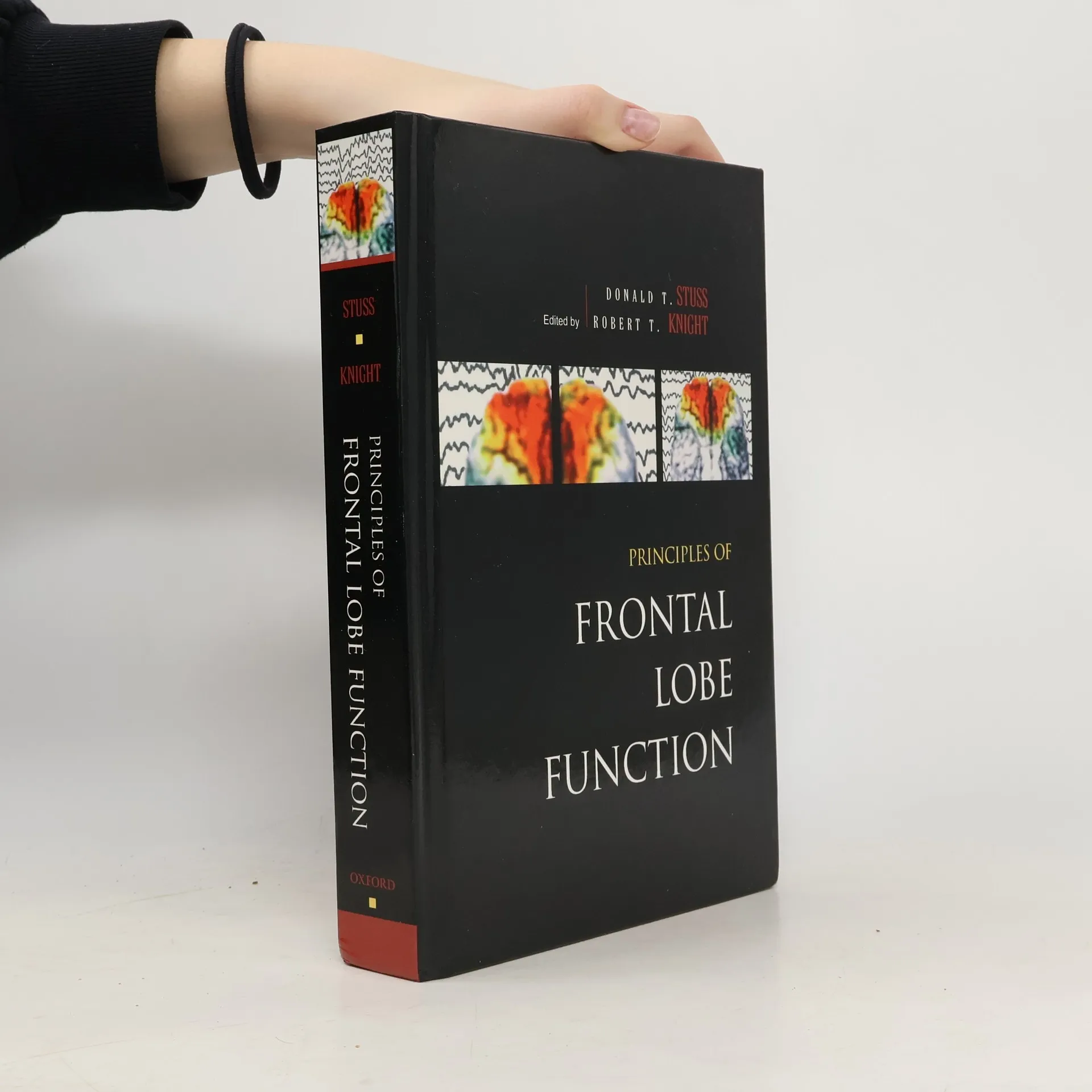
Principles of Frontal Lobe Function provides a comprehensive review of historical and current research on the functions of the frontal lobes and frontal systems of the brain. The content covers frontal lobe functions from birth to old age, from biochemistry and anatomy to rehabilitation, from normal to disrupted function. Two introductory chapters guide, in different ways, reading of subsequent chapters. Following are a number of chapters dealing with basic science- neuroanatomy and neurochemistry. The various theoretical positions proposed reflect the diversity of approaches to the same fundamental question about the role of the frontal lobes. Some chapters deal with broad, salient issues such as functional heterogeneity versus homogeneity, while others narrow their focus on specific functions like motor control, language, memory and attention, executive functioning, and emotional and social behavior. The book concludes with chapters on applied clinical research such asfrontal lobe pathology in neurological diseases and disorders, stroke, and traumatic brain injury, as well as strategies for neurorehabilitation. This book is intended to be a standard reference work on the frontal lobes for researchers, clinicians, and students in the fields of neurology, neuroscience, psychiatry, psychology, and health care.
Zakup książki
Principles of Frontal Lobe Function, Donald T. Stuss, Robert T. Knight
- Język

- Rok wydania
- 2002
- Oprawa
- (twarda)
Metody płatności
Brakuje nam tutaj Twojej recenzji.
- Tytuł
- Principles of Frontal Lobe Function
- Język
- angielski
- Autorzy
- Donald T. Stuss, Robert T. Knight
- Wydawca
- Oxford University Press
- Rok wydania
- 2002
- Oprawa
- twarda
- Liczba stron
- 640
- ISBN10
- 0195134974
- ISBN13
- 9780195134971
- Seria
- Kategorie
- Tagi
- Zdrowie & Medycyna, Nauka, USA, Tematyka medyczna, Psychiatria, Ludzkie ciało, Neurobiologia, Mózg, Neurologia
- Ocena
- 3,85 z 5
- Opis
- Principles of Frontal Lobe Function provides a comprehensive review of historical and current research on the functions of the frontal lobes and frontal systems of the brain. The content covers frontal lobe functions from birth to old age, from biochemistry and anatomy to rehabilitation, from normal to disrupted function. Two introductory chapters guide, in different ways, reading of subsequent chapters. Following are a number of chapters dealing with basic science- neuroanatomy and neurochemistry. The various theoretical positions proposed reflect the diversity of approaches to the same fundamental question about the role of the frontal lobes. Some chapters deal with broad, salient issues such as functional heterogeneity versus homogeneity, while others narrow their focus on specific functions like motor control, language, memory and attention, executive functioning, and emotional and social behavior. The book concludes with chapters on applied clinical research such asfrontal lobe pathology in neurological diseases and disorders, stroke, and traumatic brain injury, as well as strategies for neurorehabilitation. This book is intended to be a standard reference work on the frontal lobes for researchers, clinicians, and students in the fields of neurology, neuroscience, psychiatry, psychology, and health care.