

Więcej o książce
Since Zen Buddhism first captivated the attention of Western seekers the dominant discourse about this sect has been romantic, idealistic, and utopian. The essence of Zen has been described as ineffable, holistic, and promoting social harmony. In recent years, however, some scholars have begun to examine Zen through the lenses of historical and cultural criticism, producing a sharp challenge to the traditional view. These clashing viewpoints are now entrenched in two warring camps, and their exponents talk past each other with virtually no constructive interaction. In this book, Steven Heine argues that a constructive compromise is possible. He focuses on three principal areas of (1) the role of language and discourse in a tradition that claims to be 'outside words and letters,' yet has produced a voluminous body of texts, (2) the function of rituals and objects of worship to gain world benefit in a tradition supposedly founded on unmediated experience attained inan iconoclastic and ascetic environment, (3) the impact of a tradition that espouses peace and harmony on social issues such as class and gender discrimination and on nationalism and imperialism in Japan. Avoiding the stagnant polarization that characterizes most encounters between Zen traditionalists and their critics, he suggests ways in which these two perspectives can complement each other in a more balanced and nuanced alternative position.
Zakup książki
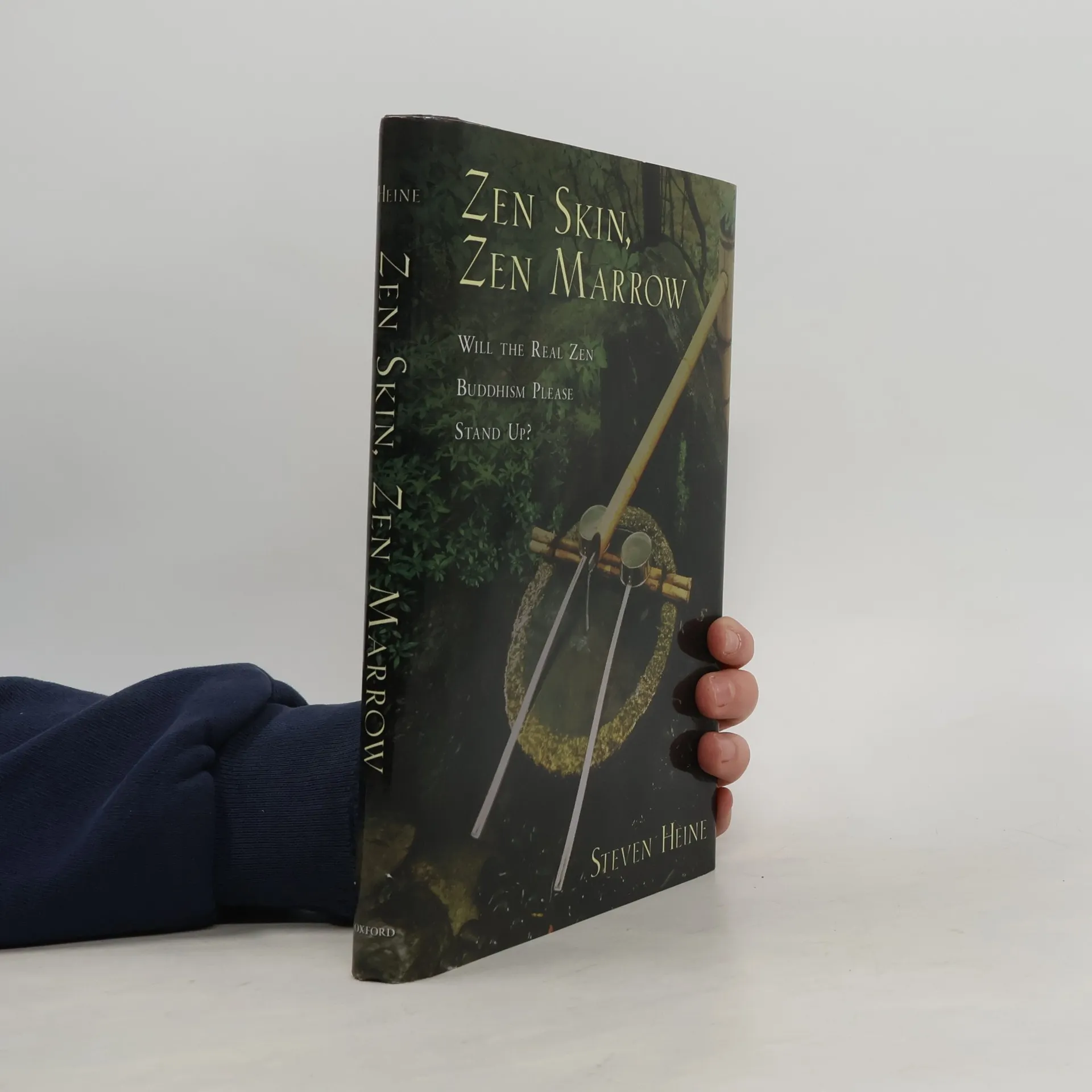
Zen Skin, Zen Marrow, Steven Heine
- Język

- Rok wydania
- 2007
- Oprawa
- (twarda)
Metody płatności
Brakuje nam tutaj Twojej recenzji.
- Tytuł
- Zen Skin, Zen Marrow
- Podtytuł
- Will the Real Zen Buddhism Please Stand Up?
- Język
- angielski
- Autorzy
- Steven Heine
- Wydawca
- Oxford University Press
- Rok wydania
- 2007
- Oprawa
- twarda
- Liczba stron
- 232
- ISBN10
- 0195326776
- ISBN13
- 9780195326772
- Seria
- Kategorie
- Tagi
- Tematy historyczne, Tematy religijne, Tematyka filozoficzna, USA, Historia religii, Zen, Filozofia wschodnia
- Ocena
- 3,1 z 5
- Opis
- Since Zen Buddhism first captivated the attention of Western seekers the dominant discourse about this sect has been romantic, idealistic, and utopian. The essence of Zen has been described as ineffable, holistic, and promoting social harmony. In recent years, however, some scholars have begun to examine Zen through the lenses of historical and cultural criticism, producing a sharp challenge to the traditional view. These clashing viewpoints are now entrenched in two warring camps, and their exponents talk past each other with virtually no constructive interaction. In this book, Steven Heine argues that a constructive compromise is possible. He focuses on three principal areas of (1) the role of language and discourse in a tradition that claims to be 'outside words and letters,' yet has produced a voluminous body of texts, (2) the function of rituals and objects of worship to gain world benefit in a tradition supposedly founded on unmediated experience attained inan iconoclastic and ascetic environment, (3) the impact of a tradition that espouses peace and harmony on social issues such as class and gender discrimination and on nationalism and imperialism in Japan. Avoiding the stagnant polarization that characterizes most encounters between Zen traditionalists and their critics, he suggests ways in which these two perspectives can complement each other in a more balanced and nuanced alternative position.