

Parametry
- 230 stron
- 9 godzin czytania
Więcej o książce
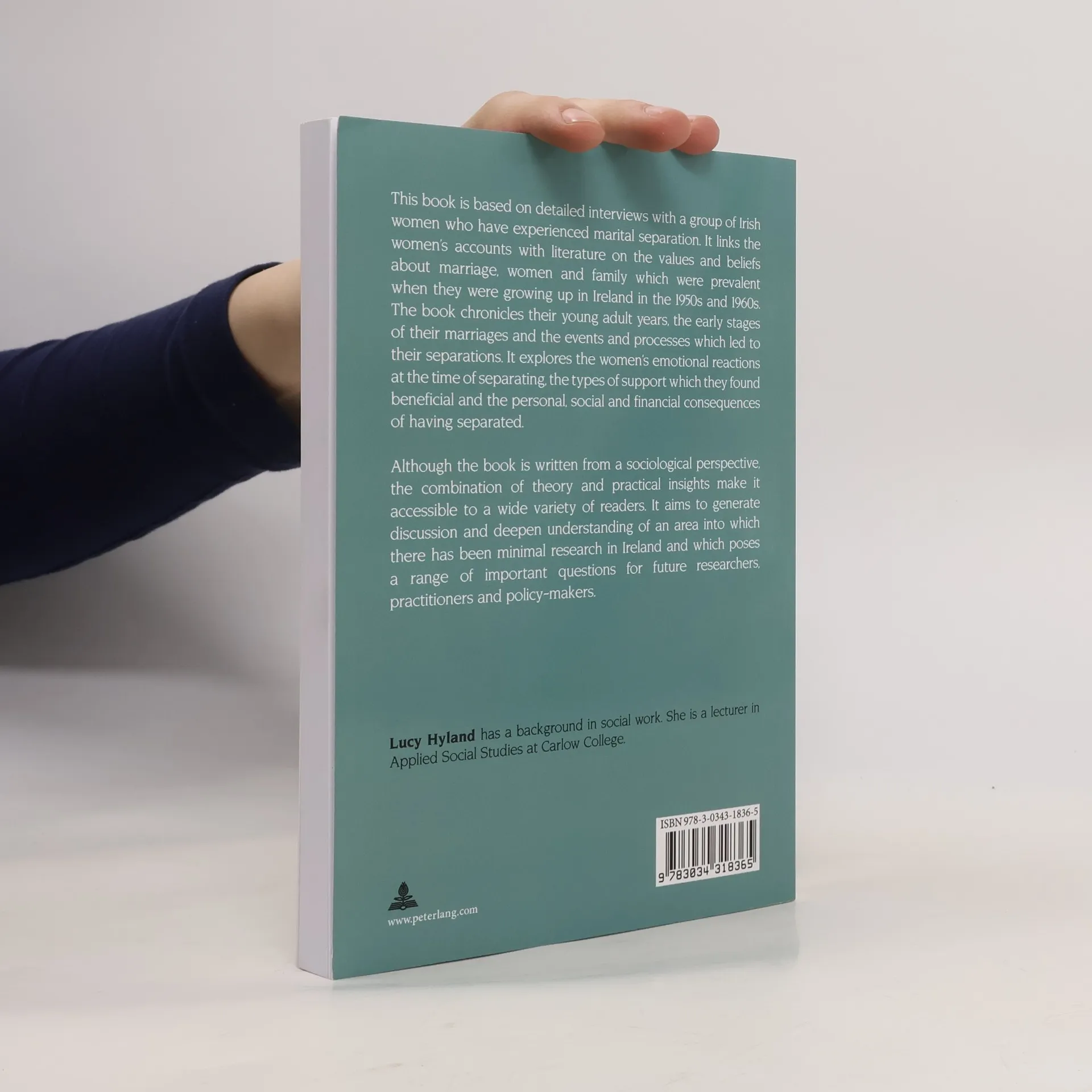
This book is based on detailed interviews with a group of Irish women who have experienced marital separation. It links the women's accounts with literature on the values and beliefs about marriage, women and family which were prevalent when they were growing up in Ireland in the 1950s and 1960s. The book chronicles their young adult years, the early stages of their marriages and the events and processes which led to their separations. It explores the women's emotional reactions at the time of separating, the types of support which they found beneficial and the personal, social and financial consequences of having separated. Although the book is written from a sociological perspective, the combination of theory and practical insights make it accessible to a wide variety of readers. It aims to generate discussion and deepen understanding of an area into which there has been minimal research in Ireland and which poses a range of important questions for future researchers, practitioners and policy-makers.
Zakup książki
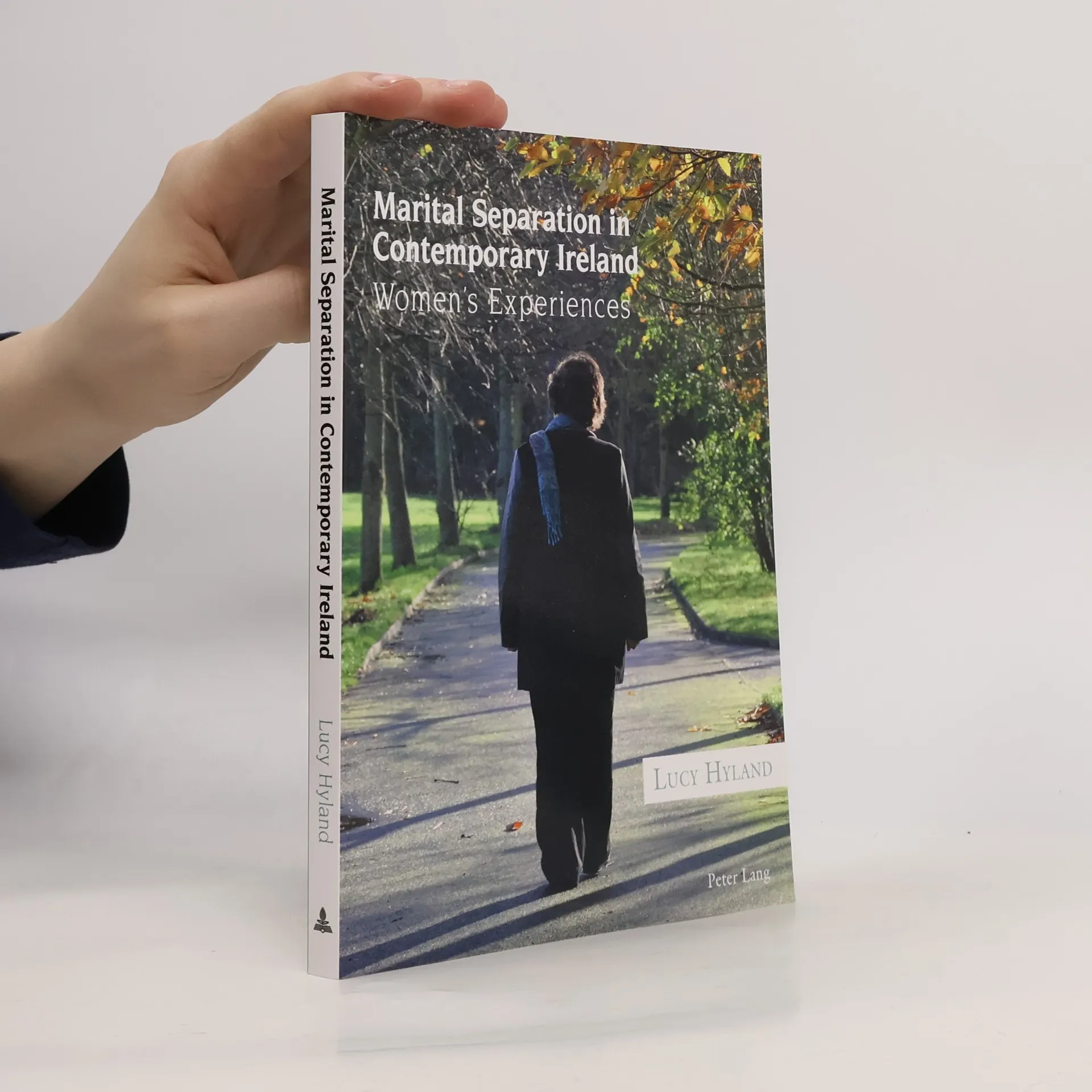
Marital Separation in Contemporary Ireland, Lucy Hyland
- Język

- Rok wydania
- 2015
- Oprawa
- (miękka),
- Stan książki
- Bardzo dobry
- Cena
- 14,09 zł
Metody płatności
Nikt jeszcze nie ocenił.
- Tytuł
- Marital Separation in Contemporary Ireland
- Podtytuł
- Women’s Experiences
- Język
- angielski
- Autorzy
- Lucy Hyland
- Wydawca
- Peter Lang
- Rok wydania
- 2015
- Oprawa
- miękka
- Liczba stron
- 230
- ISBN10
- 3034318367
- ISBN13
- 9783034318365
- Seria
- Kategorie
- Tagi
- Poradniki, Tematy prawne, Kobiety, Relacje, Społeczeństwo, Wielka Brytania, Małżeństwo, Irlandia, Szwajcaria, Doświadczenia, Rozwód, Praca Socjalna, Aspekty społeczne, Aspekty psychologiczne, Demografia
- Opis
- This book is based on detailed interviews with a group of Irish women who have experienced marital separation. It links the women's accounts with literature on the values and beliefs about marriage, women and family which were prevalent when they were growing up in Ireland in the 1950s and 1960s. The book chronicles their young adult years, the early stages of their marriages and the events and processes which led to their separations. It explores the women's emotional reactions at the time of separating, the types of support which they found beneficial and the personal, social and financial consequences of having separated. Although the book is written from a sociological perspective, the combination of theory and practical insights make it accessible to a wide variety of readers. It aims to generate discussion and deepen understanding of an area into which there has been minimal research in Ireland and which poses a range of important questions for future researchers, practitioners and policy-makers.