

Więcej o książce
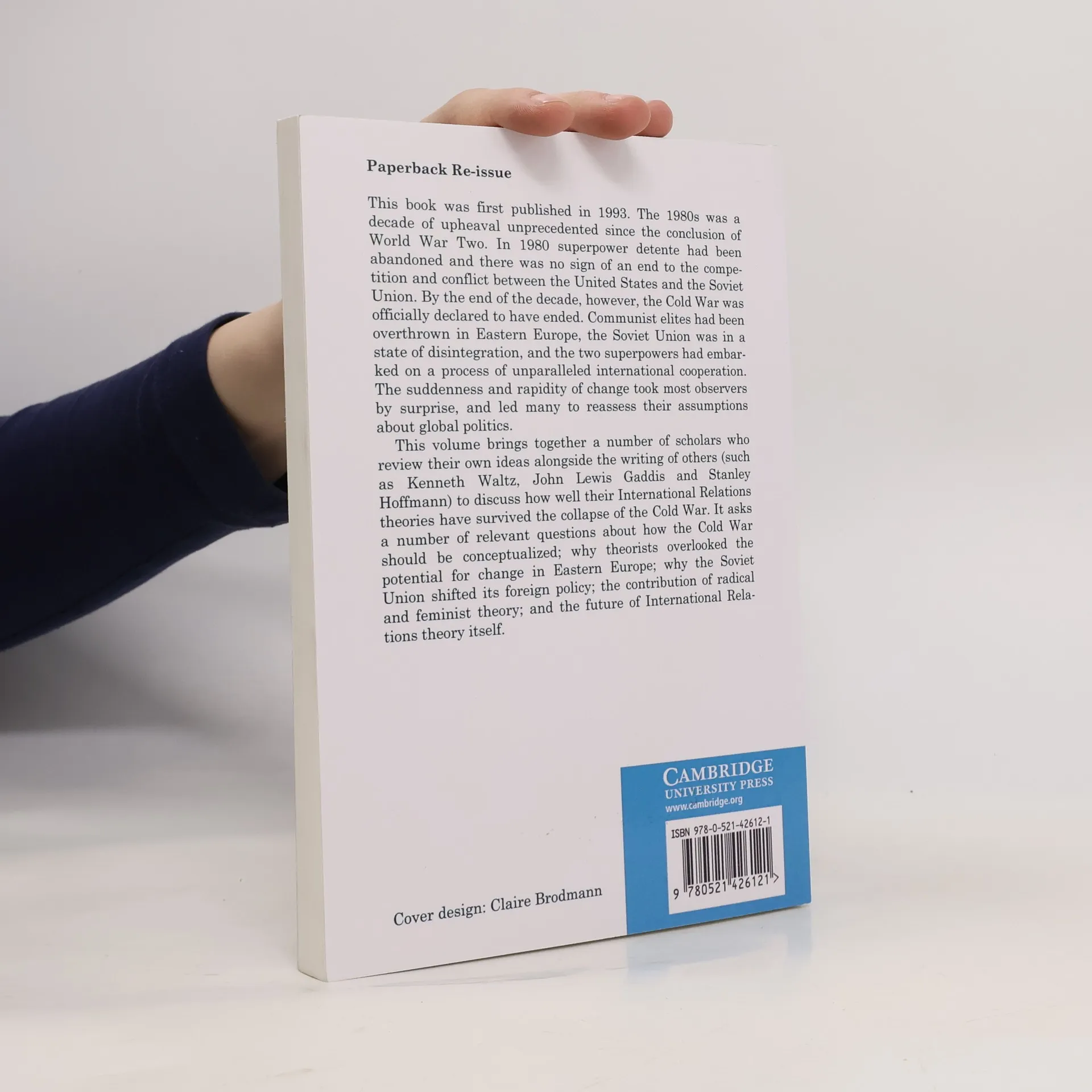
The 1980s was a decade of upheaval unprecedented since the conclusion of World War Two. In 1980 superpower détente had been abandoned and there was no sign of an end to the competition and conflict between the United States and the Soviet Union. By the end of the decade, however, the Cold War was officially declared to have ended. The suddeness and rapidity of change took most observers by surprise, and led many to reassess their assumptions about global politics. This volume brings together a number of scholars who review their own ideas alongside the writing of others to discuss how well their International Relations theories have survived the collapse of the Cold War. It asks a number of questions about how the Cold War should be why theorists overlooked the potential for change in Eastern Europe; why the Soviet Union shifted its foreign policy; the contribution of radical and feminist theory; and the future of International Relations theory itself.
Zakup książki
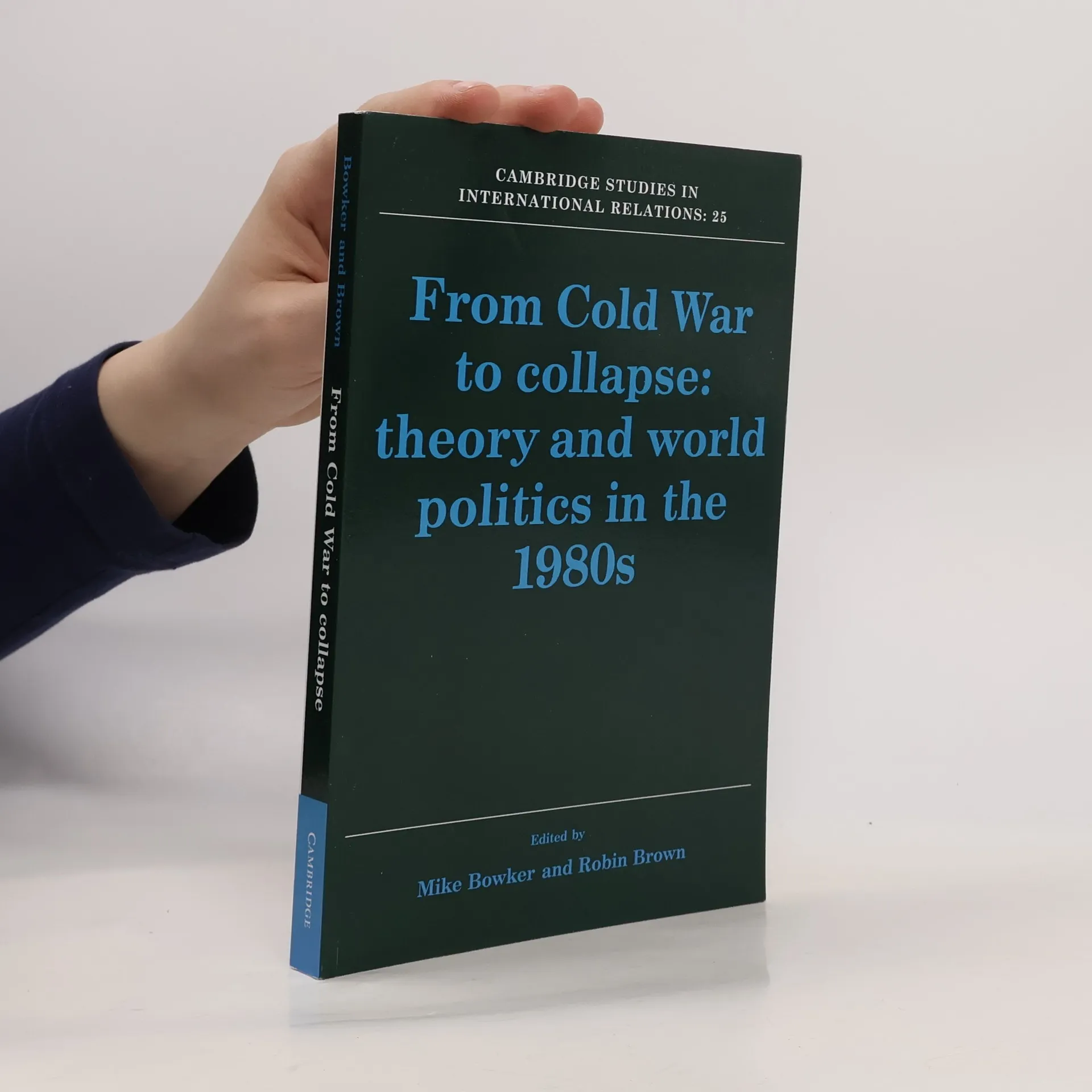
Cambridge Studies in International Relations - 25: From Cold War to Collapse, Mike Bowker, Robin Brown
- Język

- Rok wydania
- 1992
- Oprawa
- (miękka)
Metody płatności
Nikt jeszcze nie ocenił.
- Tytuł
- Cambridge Studies in International Relations - 25: From Cold War to Collapse
- Podtytuł
- Theory and World Politics in the 1980s
- Język
- angielski
- Autorzy
- Mike Bowker, Robin Brown
- Wydawca
- Cambridge University Press
- Rok wydania
- 1992
- Oprawa
- miękka
- Liczba stron
- 200
- ISBN10
- 052142612X
- ISBN13
- 9780521426121
- Seria
- Opis
- The 1980s was a decade of upheaval unprecedented since the conclusion of World War Two. In 1980 superpower détente had been abandoned and there was no sign of an end to the competition and conflict between the United States and the Soviet Union. By the end of the decade, however, the Cold War was officially declared to have ended. The suddeness and rapidity of change took most observers by surprise, and led many to reassess their assumptions about global politics. This volume brings together a number of scholars who review their own ideas alongside the writing of others to discuss how well their International Relations theories have survived the collapse of the Cold War. It asks a number of questions about how the Cold War should be why theorists overlooked the potential for change in Eastern Europe; why the Soviet Union shifted its foreign policy; the contribution of radical and feminist theory; and the future of International Relations theory itself.