

Ocena książki
Parametry
- 316 stron
- 12 godzin czytania
Więcej o książce
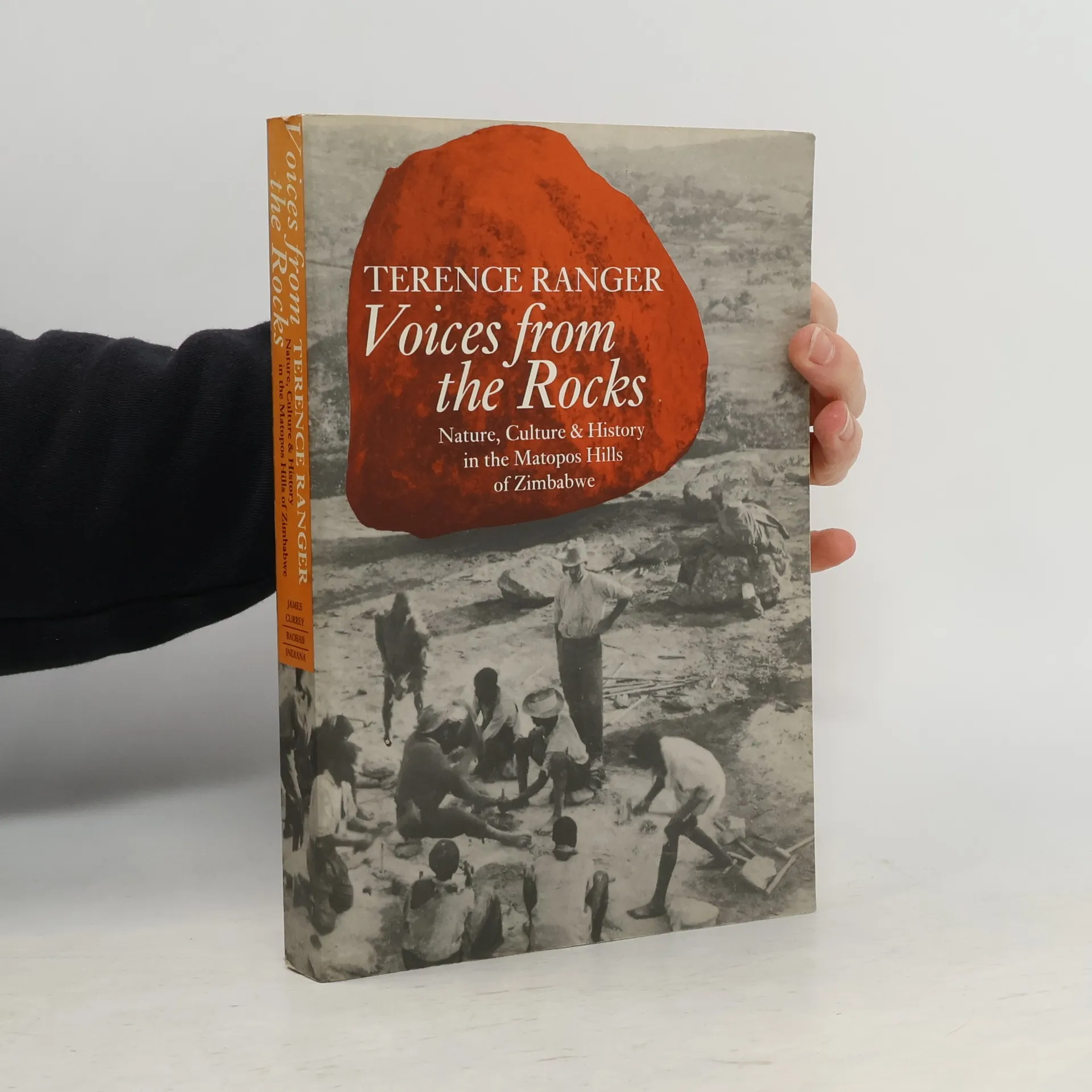
"Terence Ranger's Revolt in Southern Rhodesia 1896-97 opened out decades of important debate about religion and violence in the early colonial encounter. This book is its challenging, much awaited sequel at the very cutting edge of postcolonial studies." ―Richard Werbner, Professor of Social Anthropology, University of ManchesterOccupied by humanity for some 40,000 years, the Matopos Hills in Zimbabwe have become the scene of symbolic, ideological, and armed conflict over the last hundred years. Voices from the Rocks is about landscape, religion, conservation, political symbolism, and war in the Matopos Hills―not simply the geography of the National Park there, which is seen by most visitors as a "wild place." Terence Ranger reinstates culture and history into nature.
Zakup książki
Voices from the Rocks, Terence O. Ranger
- Język

- Rok wydania
- 1999
- Oprawa
- (miękka)
Metody płatności
Brakuje nam tutaj Twojej recenzji.
- Tytuł
- Voices from the Rocks
- Podtytuł
- Nature, Culture, and History in the Matopos Hills of Zimbabwe
- Język
- angielski
- Autorzy
- Terence O. Ranger
- Wydawca
- Indiana University Press
- Rok wydania
- 1999
- Oprawa
- miękka
- Liczba stron
- 316
- ISBN10
- 025321288X
- ISBN13
- 9780253212887
- Seria
- Ocena
- 4 z 5
- Opis
- "Terence Ranger's Revolt in Southern Rhodesia 1896-97 opened out decades of important debate about religion and violence in the early colonial encounter. This book is its challenging, much awaited sequel at the very cutting edge of postcolonial studies." ―Richard Werbner, Professor of Social Anthropology, University of ManchesterOccupied by humanity for some 40,000 years, the Matopos Hills in Zimbabwe have become the scene of symbolic, ideological, and armed conflict over the last hundred years. Voices from the Rocks is about landscape, religion, conservation, political symbolism, and war in the Matopos Hills―not simply the geography of the National Park there, which is seen by most visitors as a "wild place." Terence Ranger reinstates culture and history into nature.