

Więcej o książce
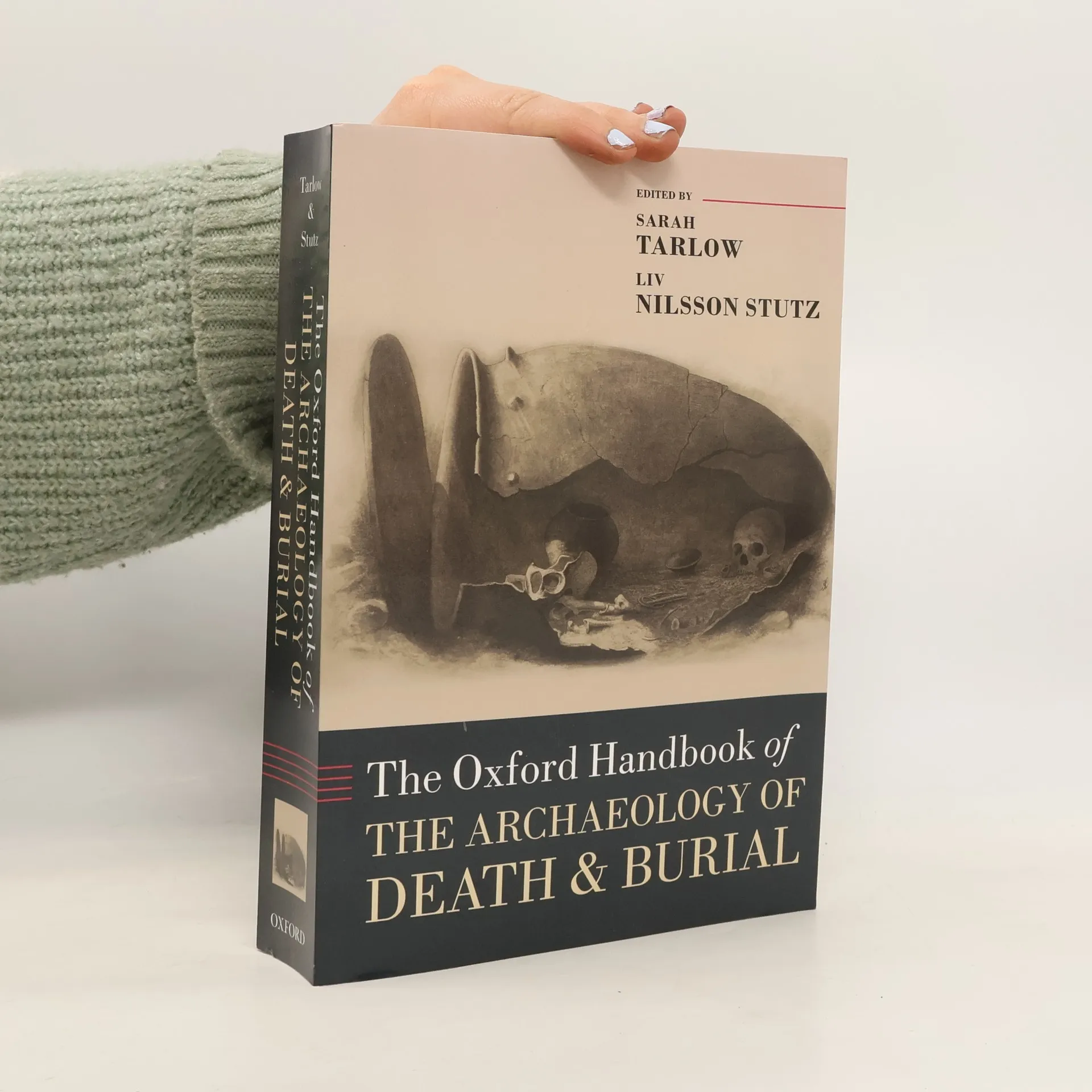
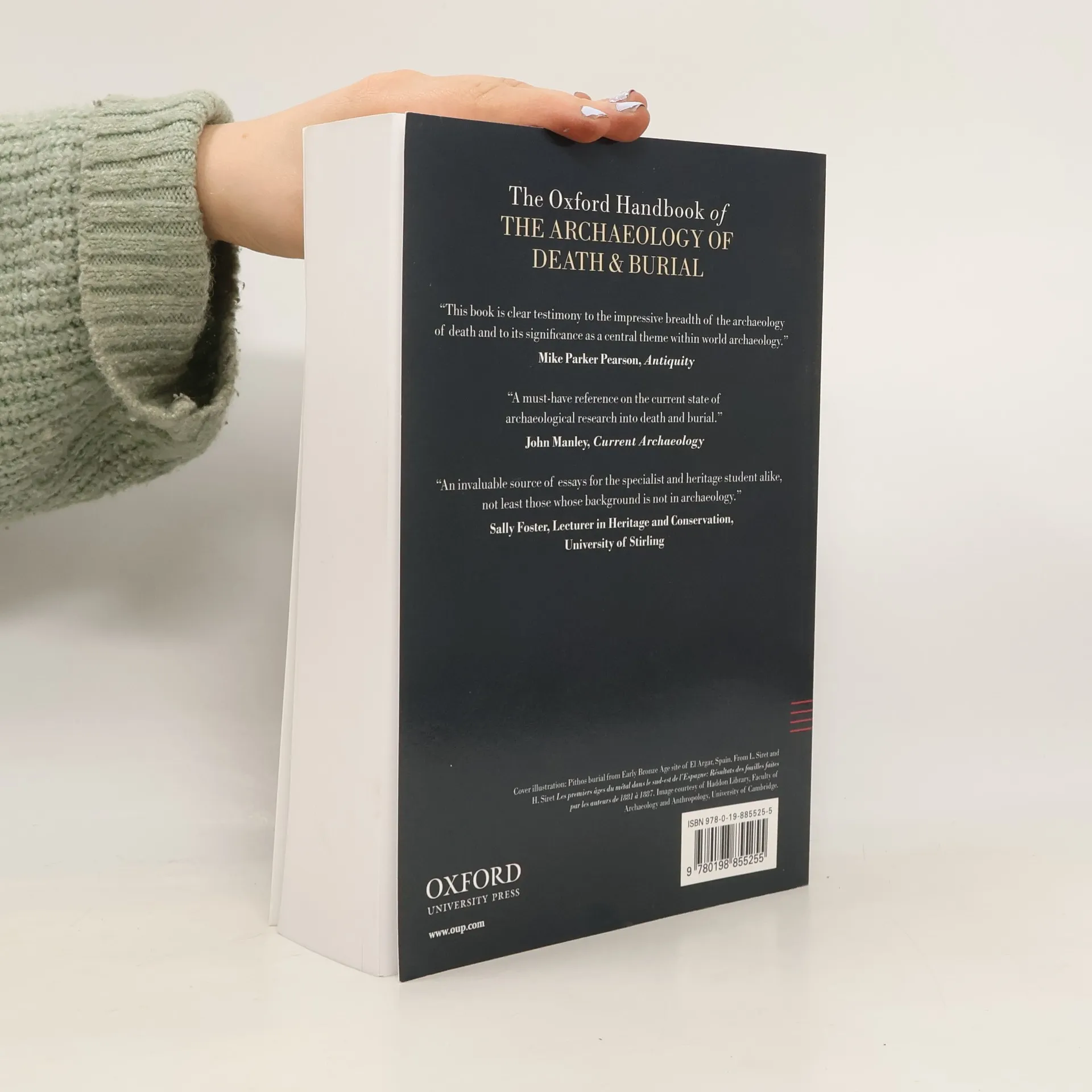
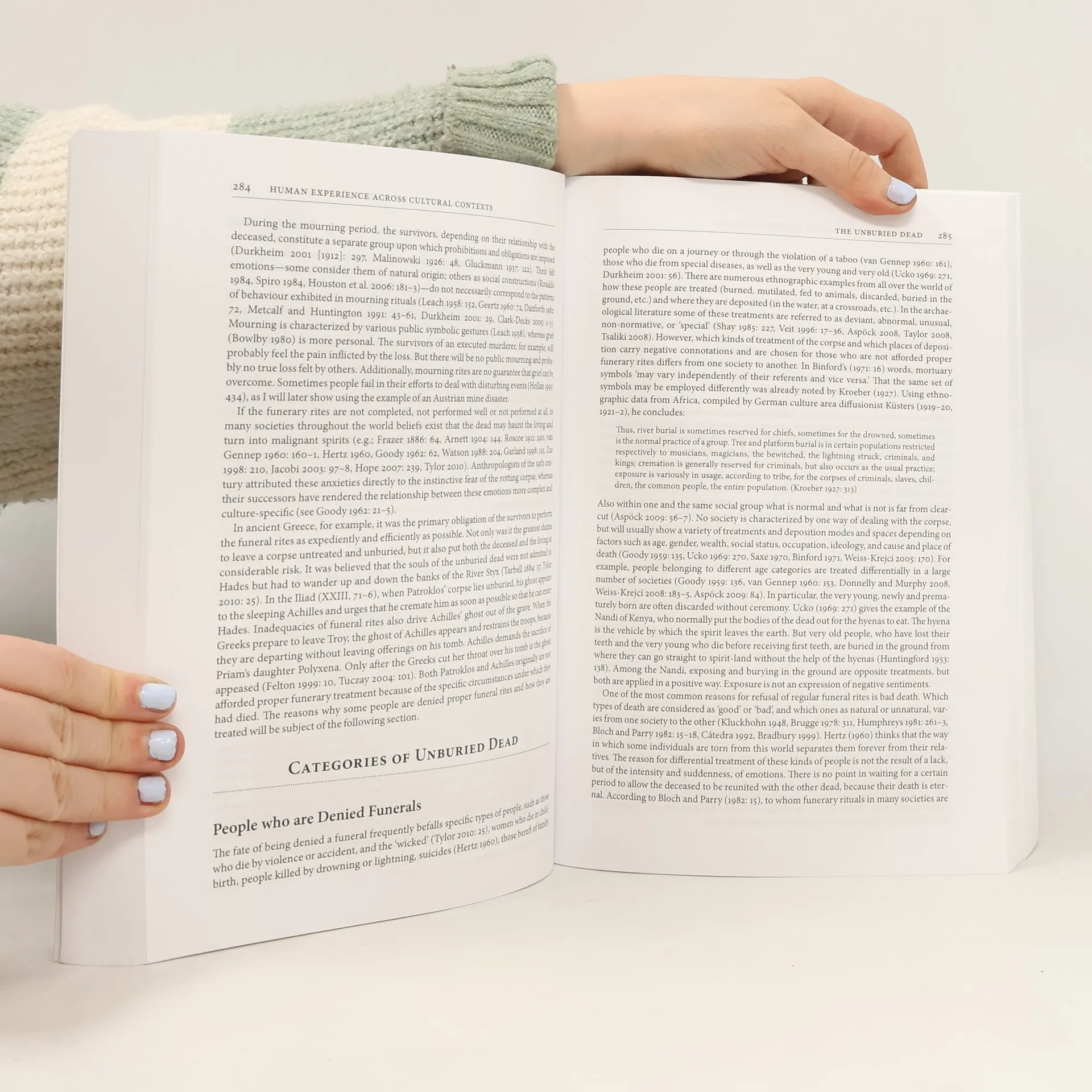
The Oxford Handbook of the Archaeology of Death and Burial reviews the current state of mortuary archaeology and its practice, highlighting its often contentious place in the modern socio-politics of archaeology. It contains forty-four chapters which focus on the history of the discipline and its current scientific techniques and methods. Written by leading, international scholars in the field, it derives its examples and case studies from a wide range of time periods, such as the middle palaeolithic to the twentieth century, and geographical areas which include Europe, North and South America, Africa, and Asia. Combining up-to-date knowledge of relevant archaeological research with critical assessments of the theme and an evaluation of future research trajectories, it draws attention to the social, symbolic, and theoretical aspects of interpreting mortuary archaeology. The volume is well-illustrated with maps, plans, photographs, and illustrations and is ideally suited for students and researchers.
Zakup książki
The Oxford Handbook of the Archaeology of Death and Burial, Sarah Tarlow, Liv Nilsson Stutz
- Język

- Rok wydania
- 2019
- Oprawa
- (miękka)
Metody płatności
Brakuje nam tutaj Twojej recenzji.
- Tytuł
- The Oxford Handbook of the Archaeology of Death and Burial
- Język
- angielski
- Autorzy
- Sarah Tarlow, Liv Nilsson Stutz
- Wydawca
- Oxford University Press
- Rok wydania
- 2019
- Oprawa
- miękka
- Liczba stron
- 870
- ISBN10
- 0198855257
- ISBN13
- 9780198855255
- Seria
- Tagi
- Tematy religijne, Poradniki, Śmierć, Literatura fachowa, Archeologia, Nauki humanistyczne, Religioznawstwo
- Ocena
- 4,5 z 5
- Opis
- The Oxford Handbook of the Archaeology of Death and Burial reviews the current state of mortuary archaeology and its practice, highlighting its often contentious place in the modern socio-politics of archaeology. It contains forty-four chapters which focus on the history of the discipline and its current scientific techniques and methods. Written by leading, international scholars in the field, it derives its examples and case studies from a wide range of time periods, such as the middle palaeolithic to the twentieth century, and geographical areas which include Europe, North and South America, Africa, and Asia. Combining up-to-date knowledge of relevant archaeological research with critical assessments of the theme and an evaluation of future research trajectories, it draws attention to the social, symbolic, and theoretical aspects of interpreting mortuary archaeology. The volume is well-illustrated with maps, plans, photographs, and illustrations and is ideally suited for students and researchers.