


Więcej o książce
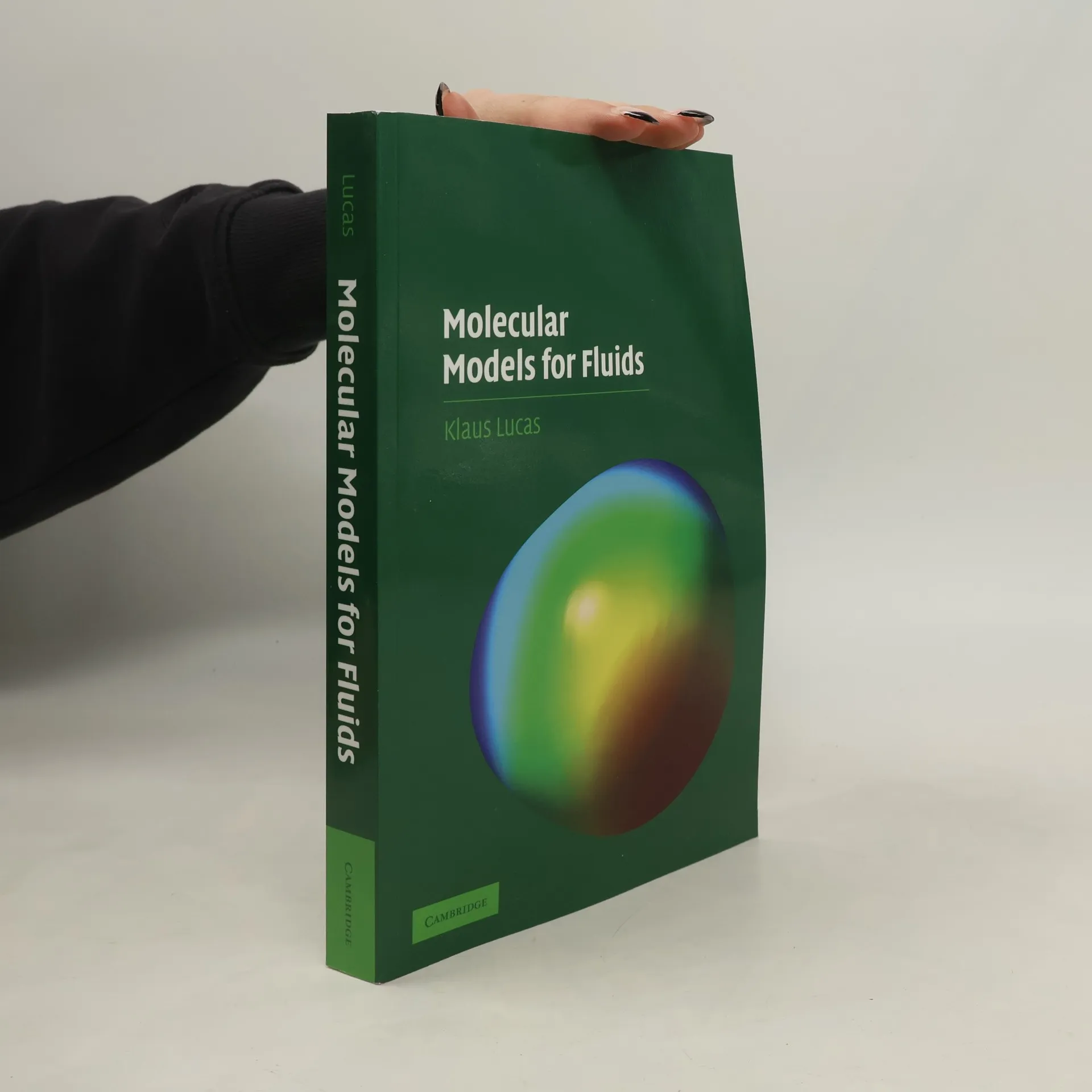
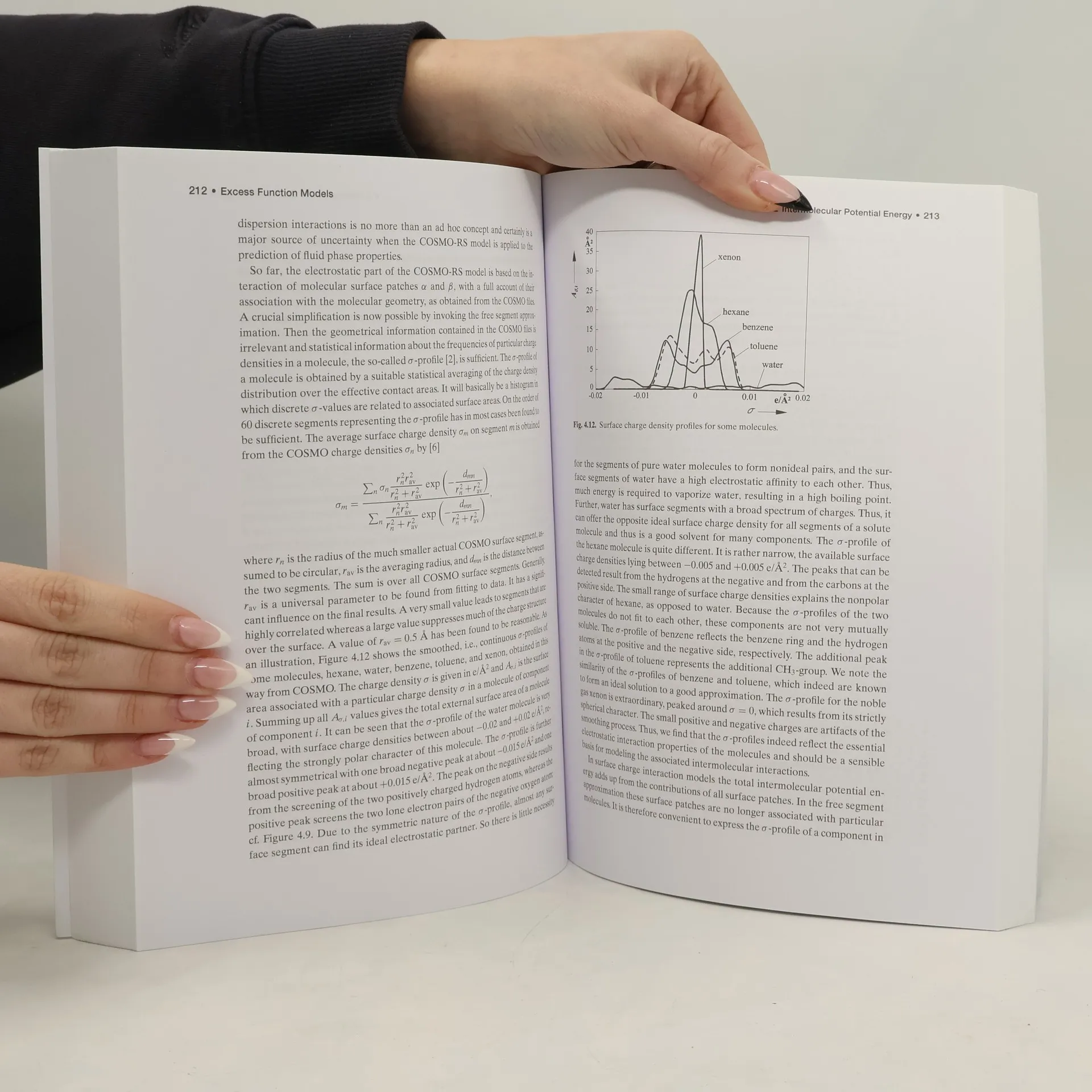
This book presents the development of modern molecular models for fluids from the interdisciplinary fundamentals of classical and statistical mechanics, of electrodynamics and of quantum mechanics. The concepts and working equations of the various fields are briefly derived and illustrated in the context of understanding the properties of molecular systems. Special emphasis is devoted to the quantum mechanical basis, since this is used throughout in the calculation of the molecular energy of a system. The book is application oriented. It stresses those elements that are essential for practical model development. The fundamentals are then used to derive models for various types of applications. Finally, equation of state models are presented based on quantum chemically based models for the intermolecular potential energy and perturbation theory. The book is suited for graduate courses in chemical and mechanical engineering, physics and chemistry, but may also, by proper selection, be found useful on the undergraduate level.
Zakup książki
Molecular Models for Fluids, Klaus Lucas
- Język

- Rok wydania
- 2011
- Oprawa
- (miękka)
Metody płatności
Nikt jeszcze nie ocenił.
- Tytuł
- Molecular Models for Fluids
- Język
- angielski
- Autorzy
- Klaus Lucas
- Wydawca
- Cambridge University Press
- Rok wydania
- 2011
- Oprawa
- miękka
- Liczba stron
- 408
- ISBN10
- 1107402514
- ISBN13
- 9781107402515
- Seria
- Kategorie
- Tagi
- Podręczniki, Nauki przyrodnicze, Podręczniki akademickie, Nauka, Technologia, Podręczniki fizyki, Podręczniki chemii, Mechanika, Termodynamika
- Opis
- This book presents the development of modern molecular models for fluids from the interdisciplinary fundamentals of classical and statistical mechanics, of electrodynamics and of quantum mechanics. The concepts and working equations of the various fields are briefly derived and illustrated in the context of understanding the properties of molecular systems. Special emphasis is devoted to the quantum mechanical basis, since this is used throughout in the calculation of the molecular energy of a system. The book is application oriented. It stresses those elements that are essential for practical model development. The fundamentals are then used to derive models for various types of applications. Finally, equation of state models are presented based on quantum chemically based models for the intermolecular potential energy and perturbation theory. The book is suited for graduate courses in chemical and mechanical engineering, physics and chemistry, but may also, by proper selection, be found useful on the undergraduate level.