

Więcej o książce
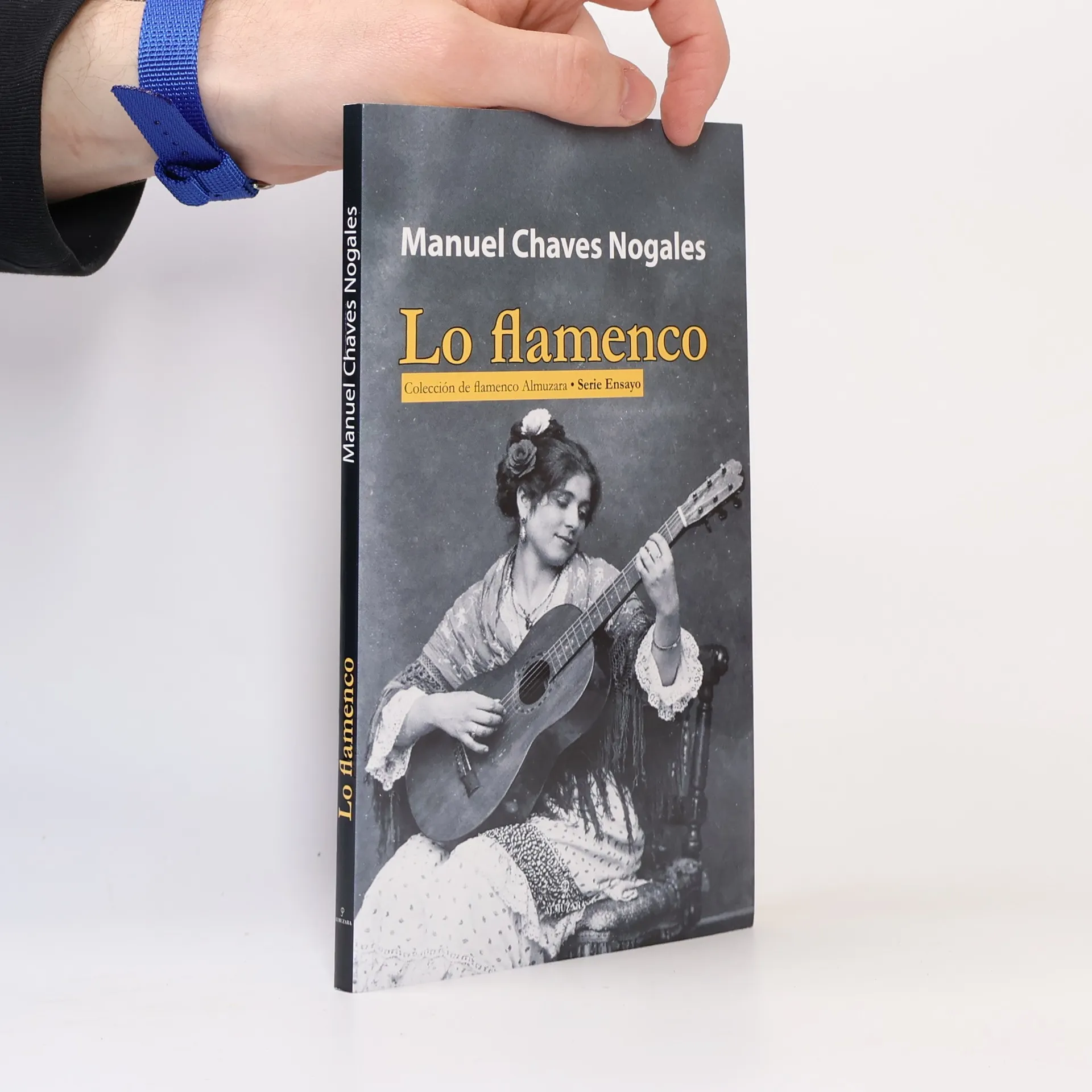
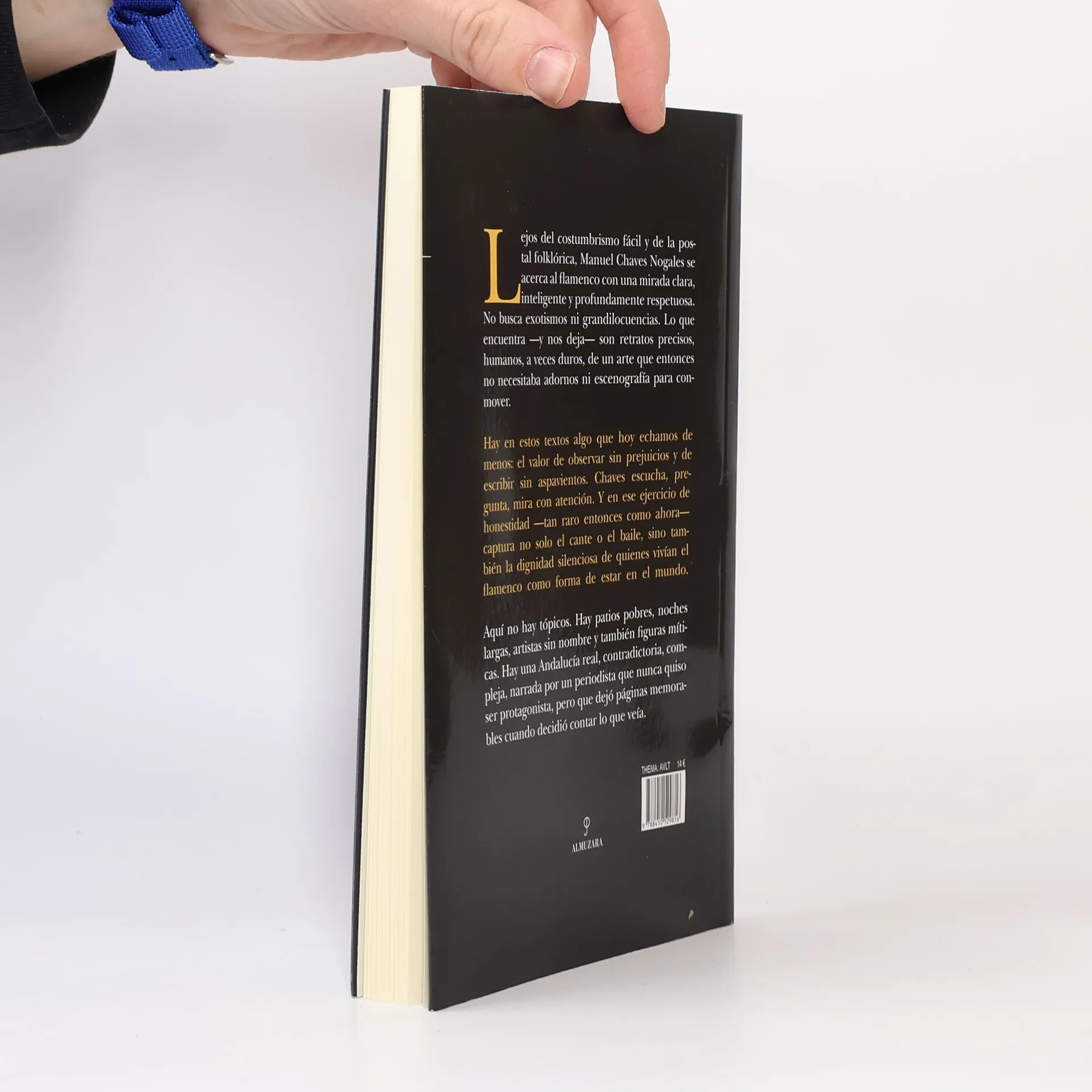
Far from facile costumbrismo and folkloric postcards, Manuel Chaves Nogales approaches flamenco with a clear, intelligent, and deeply respectful gaze. He does not seek exoticism or grandiloquence. What he finds--and leaves us--are accurate, human, sometimes harsh portraits of an art that at that time needed no embellishment or staging to move us. There is something in these texts that we miss today: the value of observing without prejudice and writing without fuss. Chaves listens, asks questions, and watches closely. And in this exercise in honesty--as rare then as it is now--he captures not only the singing and dancing, but also the quiet dignity of those who lived flamenco as a way of being in the world. There are no clichés here. There are poor courtyards, long nights, nameless artists, and also mythical figures. There is a real Andalusia, contradictory and complex, narrated by a journalist who never wanted to be the protagonist, but who left behind memorable pages when he decided to tell what he saw.
Zakup książki
Lo flamenco, Manuel Chaves Nogales
- Język

- Rok wydania
- 2026
- Oprawa
- (miękka)
Metody płatności
Nikt jeszcze nie ocenił.
- Tytuł
- Lo flamenco
- Język
- hiszpański
- Autorzy
- Manuel Chaves Nogales
- Wydawca
- Almuzara
- Rok wydania
- 2026
- Oprawa
- miękka
- ISBN10
- 8410529815
- ISBN13
- 9788410529816
- Seria
- Opis
- Far from facile costumbrismo and folkloric postcards, Manuel Chaves Nogales approaches flamenco with a clear, intelligent, and deeply respectful gaze. He does not seek exoticism or grandiloquence. What he finds--and leaves us--are accurate, human, sometimes harsh portraits of an art that at that time needed no embellishment or staging to move us. There is something in these texts that we miss today: the value of observing without prejudice and writing without fuss. Chaves listens, asks questions, and watches closely. And in this exercise in honesty--as rare then as it is now--he captures not only the singing and dancing, but also the quiet dignity of those who lived flamenco as a way of being in the world. There are no clichés here. There are poor courtyards, long nights, nameless artists, and also mythical figures. There is a real Andalusia, contradictory and complex, narrated by a journalist who never wanted to be the protagonist, but who left behind memorable pages when he decided to tell what he saw.