

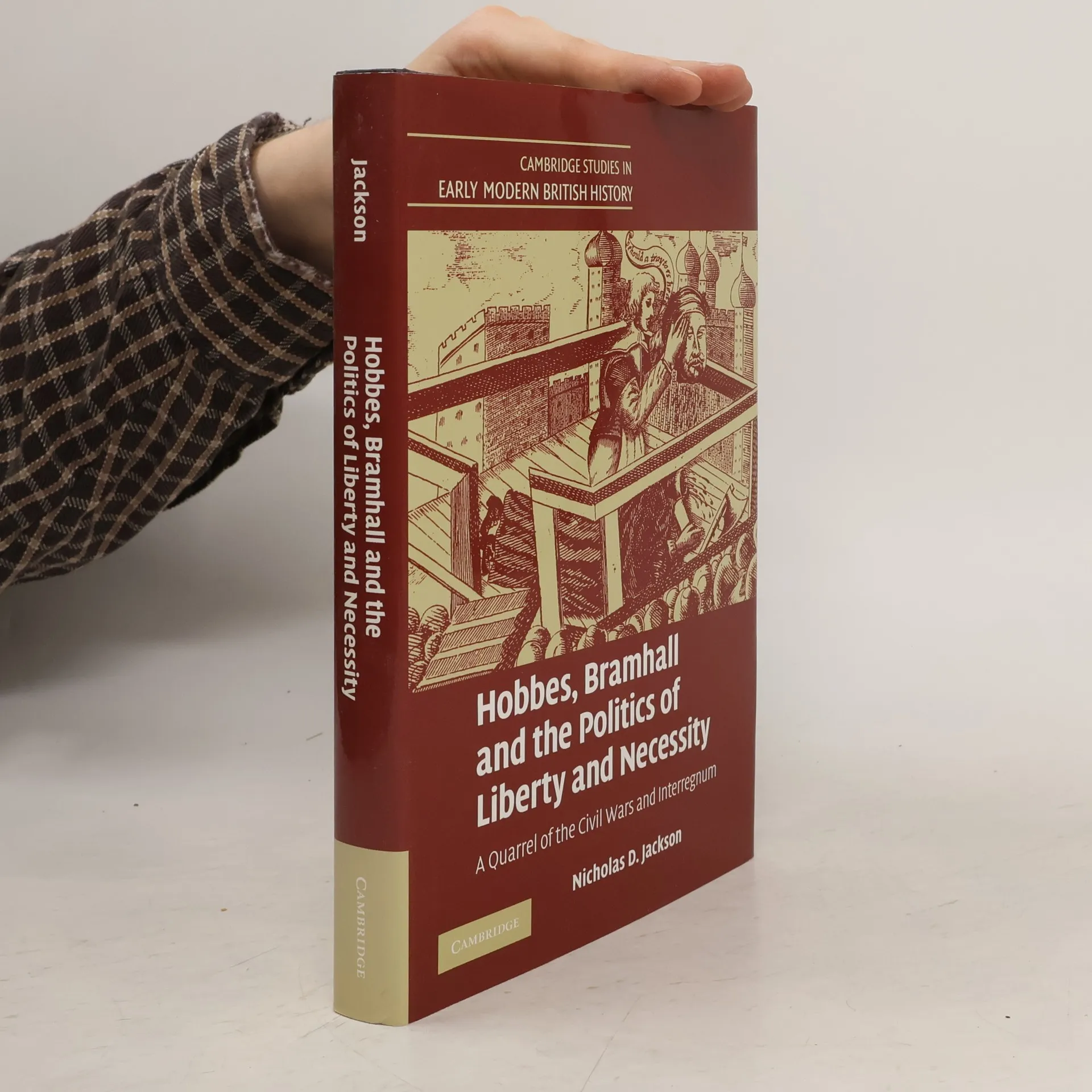
Cambridge Studies in Early Modern British History: Hobbes, Bramhall and the Politics of Liberty and Necessity
A Quarrel of the Civil Wars and Interregnum
Autorzy
Ocena książki
Więcej o książce
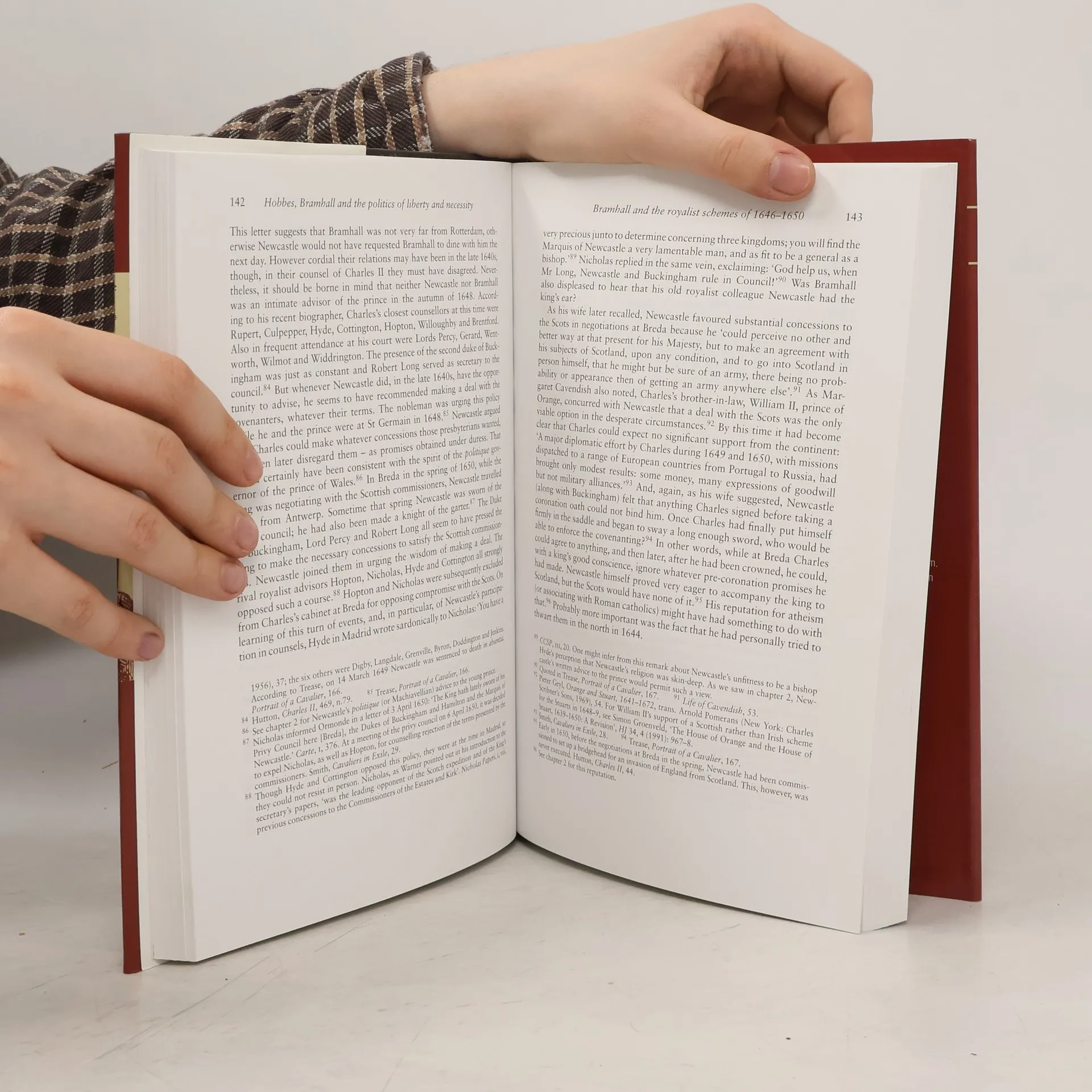
This book was the first full account of one of the most famous quarrels of the seventeenth century, that between the philosopher Thomas Hobbes (1588–1679) and the Anglican archbishop of Armagh, John Bramhall (1594–1663). This analytical narrative interprets that quarrel within its own immediate and complicated historical circumstances, the Civil Wars (1638–49) and Interregnum (1649–60). The personal clash of Hobbes and Bramhall is connected to the broader conflict, disorder, violence, dislocation and exile that characterised those periods. This monograph offered not only the first comprehensive narrative of their hostilities over two decades, but also an illuminating analysis of aspects of their private and public quarrel that have been neglected in previous accounts, with special attention devoted to their dispute over political and religious authority. This will be of interest to scholars of early modern British history, religious history and the history of ideas.
Zakup książki
Cambridge Studies in Early Modern British History: Hobbes, Bramhall and the Politics of Liberty and Necessity, Nicholas D. Jackson
- Język

- Rok wydania
- 2007
- Oprawa
- (twarda)
Metody płatności
Brakuje nam tutaj Twojej recenzji.
- Tytuł
- Cambridge Studies in Early Modern British History: Hobbes, Bramhall and the Politics of Liberty and Necessity
- Podtytuł
- A Quarrel of the Civil Wars and Interregnum
- Język
- angielski
- Autorzy
- Nicholas D. Jackson
- Wydawca
- Cambridge University Press
- Rok wydania
- 2007
- Oprawa
- twarda
- Liczba stron
- 356
- ISBN10
- 0521870062
- ISBN13
- 9780521870061
- Tagi
- Tematy historyczne, Europa, Wielka Brytania, Historia Europy, Teorie polityczne, Inspiracje, XVII wiek, Historia społeczna
- Ocena
- 4,5 z 5
- Opis
- This book was the first full account of one of the most famous quarrels of the seventeenth century, that between the philosopher Thomas Hobbes (1588–1679) and the Anglican archbishop of Armagh, John Bramhall (1594–1663). This analytical narrative interprets that quarrel within its own immediate and complicated historical circumstances, the Civil Wars (1638–49) and Interregnum (1649–60). The personal clash of Hobbes and Bramhall is connected to the broader conflict, disorder, violence, dislocation and exile that characterised those periods. This monograph offered not only the first comprehensive narrative of their hostilities over two decades, but also an illuminating analysis of aspects of their private and public quarrel that have been neglected in previous accounts, with special attention devoted to their dispute over political and religious authority. This will be of interest to scholars of early modern British history, religious history and the history of ideas.