

Ocena książki
Więcej o książce
The robbery and restitution of Jewish property are two inextricably linked social processes. It is not possible to understand the lawsuits and international agreements on the restoration of Jewish property of the late 1990s without examining what was robbed and by whom. In this volume distinguished historians first outline the mechanisms and scope of the European-wide program of plunder and then assess the effectiveness and historical implications of post-war restitution efforts. Everywhere the solution of legal and material problems was intertwined with changing national myths about the war and conflicting interpretations of justice. Even those countries that pursued extensive restitution programs using rigorous legal means were unable to compensate or fully comprehend the scale of Jewish loss. Especially in Eastern Europe, it was not until the collapse of communism that the concept of restoring some Jewish property rights even became a viable option. Integrating the abundance of new research on the material effects of the Holocaust and its aftermath, this comparative perspective examines the developments in Germany, Poland, Italy, France, Belgium, Hungary and the Czech Republic.
Zakup książki
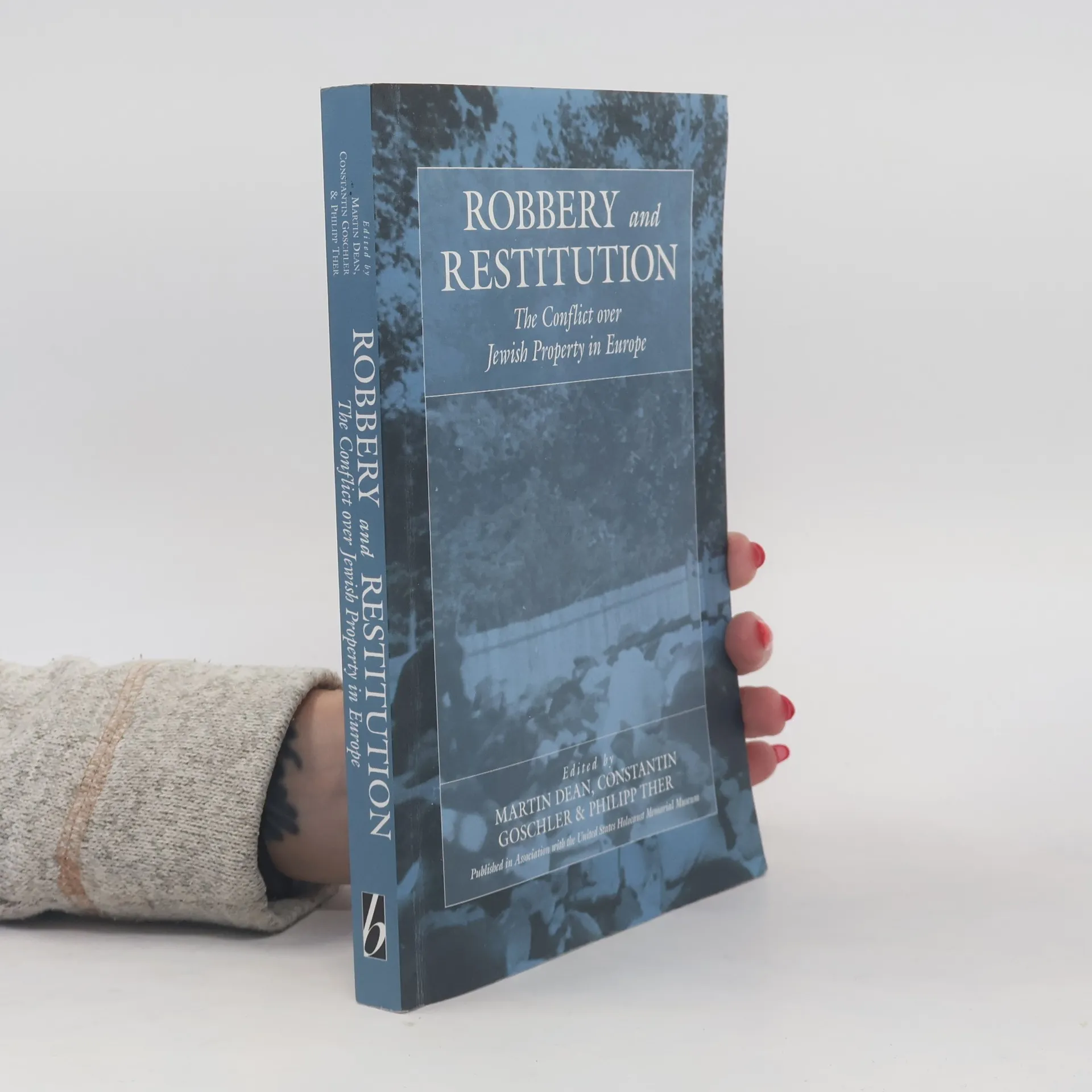
Studies on War and Genocide - 9: Robbery and Restitution, Martin Dean, Constantin Goschler, Philipp Ther
- Język

- Rok wydania
- 2008
- Oprawa
- (miękka)
Metody płatności
Brakuje nam tutaj Twojej recenzji.
- Tytuł
- Studies on War and Genocide - 9: Robbery and Restitution
- Podtytuł
- The Conflict over Jewish Property in Europe
- Język
- angielski
- Autorzy
- Martin Dean, Constantin Goschler, Philipp Ther
- Wydawca
- Berghahn Books
- Rok wydania
- 2008
- Oprawa
- miękka
- Liczba stron
- 308
- ISBN10
- 1845455932
- ISBN13
- 9781845455934
- Seria
- Tagi
- Tematy historyczne, USA, XX wiek, II Wojna Światowa, Europa, Historia Europy, Judaica, Holokaust, Literatura Żydowska, Historia społeczna
- Ocena
- 3,5 z 5
- Opis
- The robbery and restitution of Jewish property are two inextricably linked social processes. It is not possible to understand the lawsuits and international agreements on the restoration of Jewish property of the late 1990s without examining what was robbed and by whom. In this volume distinguished historians first outline the mechanisms and scope of the European-wide program of plunder and then assess the effectiveness and historical implications of post-war restitution efforts. Everywhere the solution of legal and material problems was intertwined with changing national myths about the war and conflicting interpretations of justice. Even those countries that pursued extensive restitution programs using rigorous legal means were unable to compensate or fully comprehend the scale of Jewish loss. Especially in Eastern Europe, it was not until the collapse of communism that the concept of restoring some Jewish property rights even became a viable option. Integrating the abundance of new research on the material effects of the Holocaust and its aftermath, this comparative perspective examines the developments in Germany, Poland, Italy, France, Belgium, Hungary and the Czech Republic.