


Więcej o książce
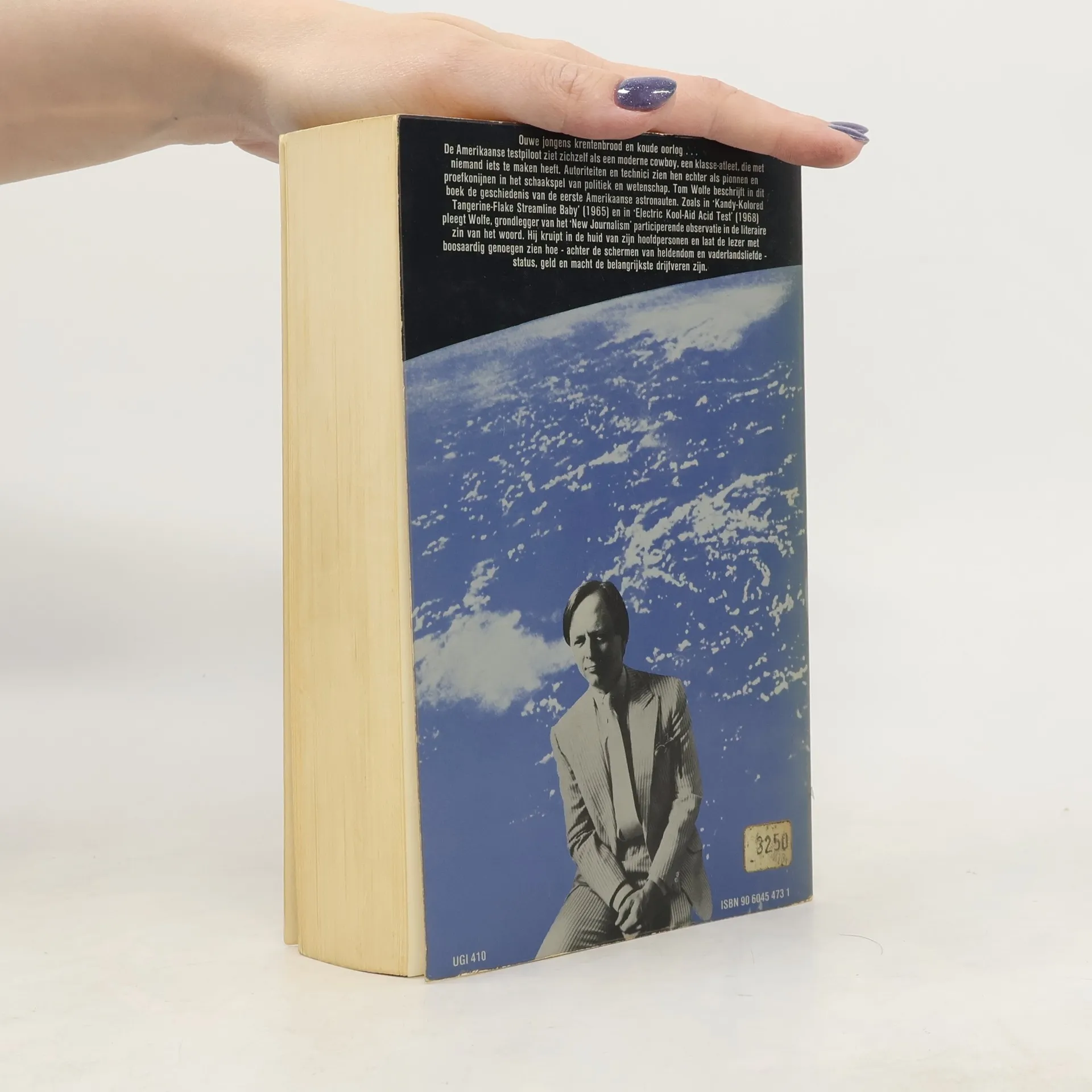
Tom Wolfe began his exploration of American heroism during a time when such ideals seemed out of fashion, with the nation grappling with the fallout from Vietnam and the Iranian hostage crisis. His subjects, however, embodied a courage that captivated him, as he noted that in 1970, nearly one in four Navy pilots died in accidents. Wolfe's narrative reveals why these men were not just willing, but delighted to face such peril in an era marked by anti-heroism. Drawing from his roots in New Journalism, Wolfe employs a limited omniscient perspective, immersing readers in the lives of key figures in the space program. The story begins with the fears of a test pilot's wife before tracing back to the late 1940s and the first attempts to break the sound barrier. Test pilots, living dangerously both in the air and on the ground, are central to the narrative, with Chuck Yeager emerging as a pivotal figure determined to conquer Mach 1. The focus then shifts to the seven original astronauts, detailing Alan Shepard's suborbital flight and Gus Grissom's infamous mishap. Wolfe paints a vivid portrait of John Glenn's heroism and concludes with Yeager's later achievements, solidifying the narrative's epic scope and literary quality. This work stands out as the most engaging and insightful account of America's manned space program.
Zakup książki
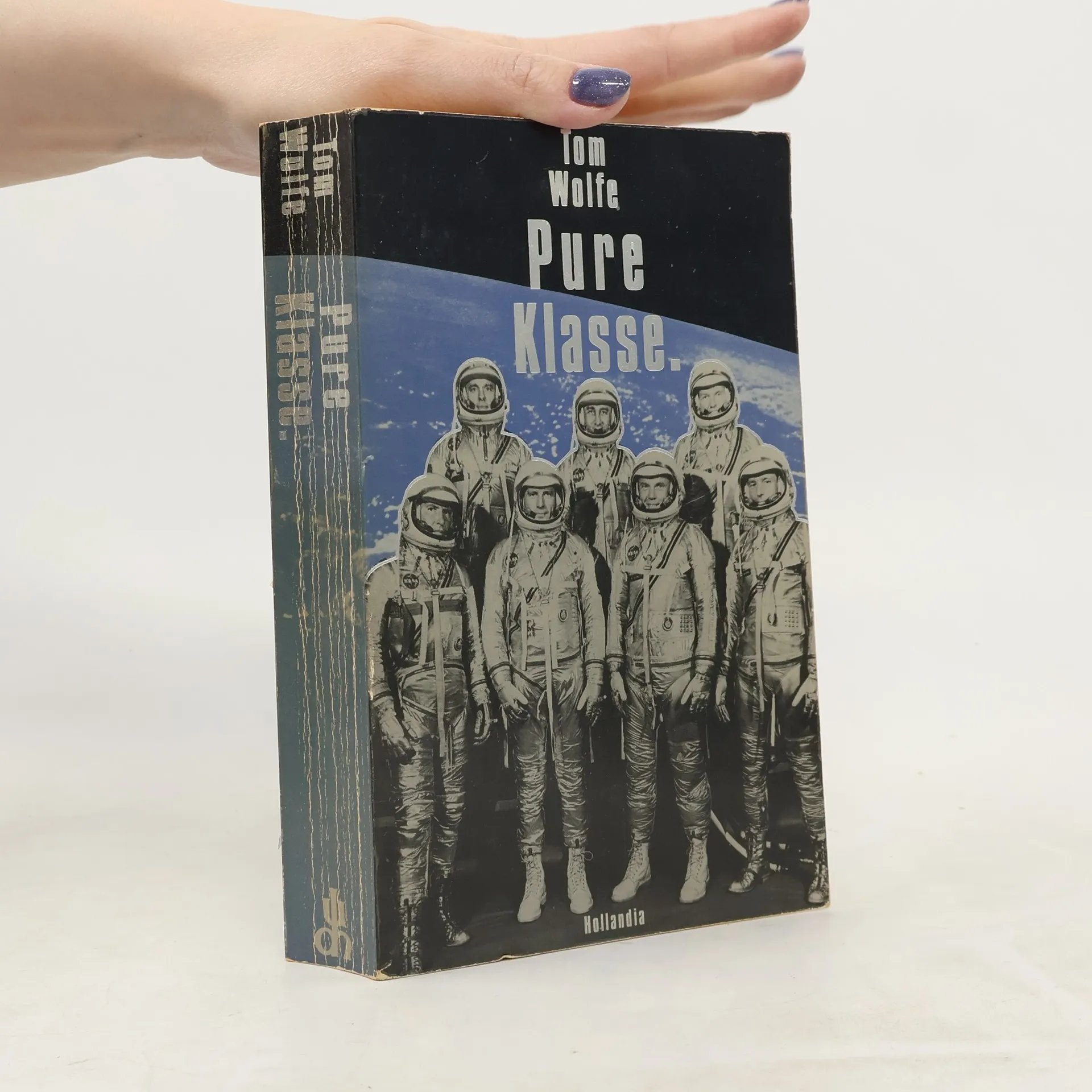
Pure Klasse, Thomas Kennerly Wolfe
- Język

- Rok wydania
- 1981
- Oprawa
- (miękka),
- Stan książki
- Dobry
- Cena
- 1,43 zł
Metody płatności
Brakuje nam tutaj Twojej recenzji.
- Tytuł
- Pure Klasse
- Język
- holenderski
- Autorzy
- Thomas Kennerly Wolfe
- Wydawca
- Hollandia
- Rok wydania
- 1981
- Oprawa
- miękka
- Liczba stron
- 372
- ISBN10
- 9060454731
- ISBN13
- 9789060454732
- Seria
- Tagi
- Nauka, Historia USA
- Ocena
- 4 z 5
- Opis
- Tom Wolfe began his exploration of American heroism during a time when such ideals seemed out of fashion, with the nation grappling with the fallout from Vietnam and the Iranian hostage crisis. His subjects, however, embodied a courage that captivated him, as he noted that in 1970, nearly one in four Navy pilots died in accidents. Wolfe's narrative reveals why these men were not just willing, but delighted to face such peril in an era marked by anti-heroism. Drawing from his roots in New Journalism, Wolfe employs a limited omniscient perspective, immersing readers in the lives of key figures in the space program. The story begins with the fears of a test pilot's wife before tracing back to the late 1940s and the first attempts to break the sound barrier. Test pilots, living dangerously both in the air and on the ground, are central to the narrative, with Chuck Yeager emerging as a pivotal figure determined to conquer Mach 1. The focus then shifts to the seven original astronauts, detailing Alan Shepard's suborbital flight and Gus Grissom's infamous mishap. Wolfe paints a vivid portrait of John Glenn's heroism and concludes with Yeager's later achievements, solidifying the narrative's epic scope and literary quality. This work stands out as the most engaging and insightful account of America's manned space program.