


Parametry
- 260 stron
- 10 godzin czytania
Więcej o książce
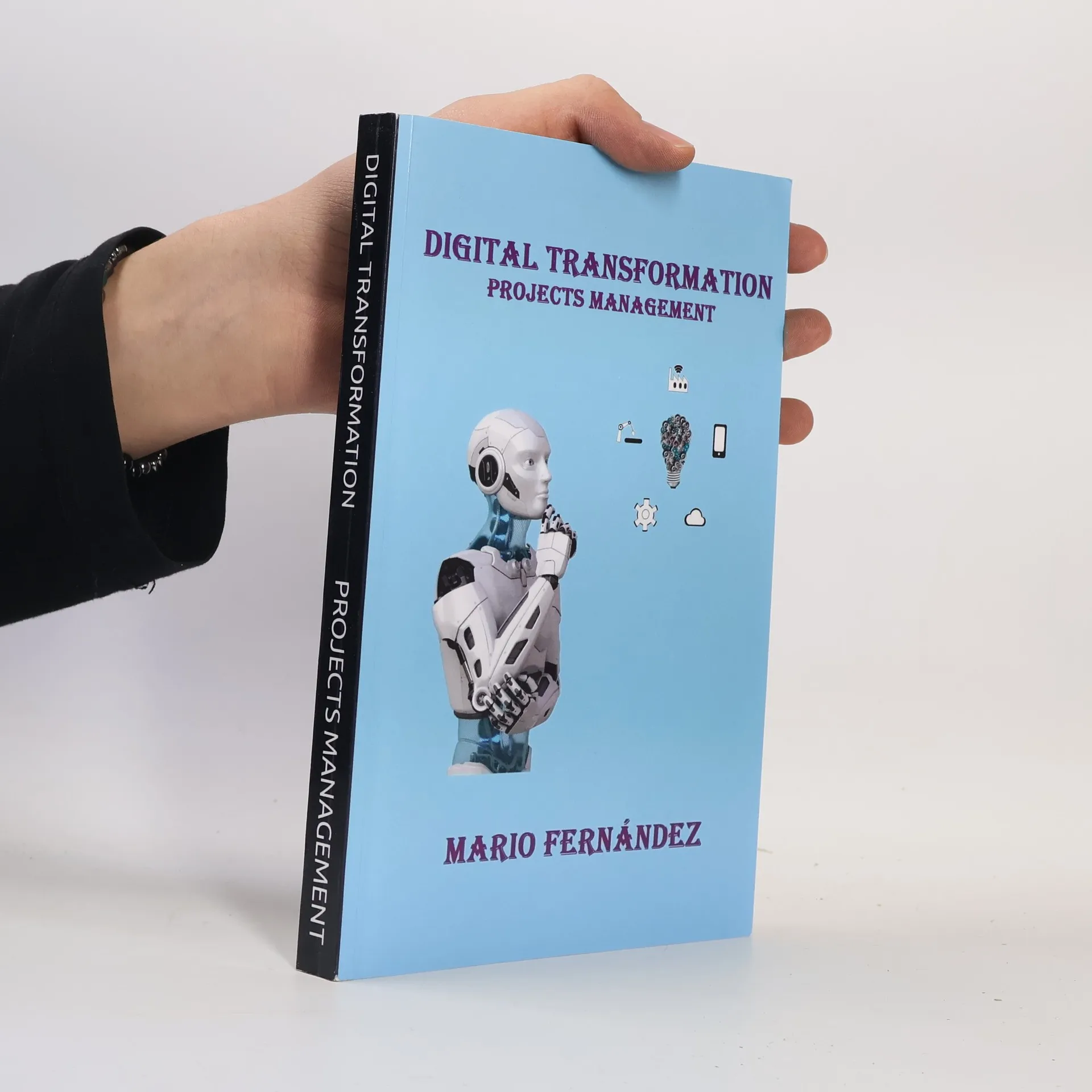
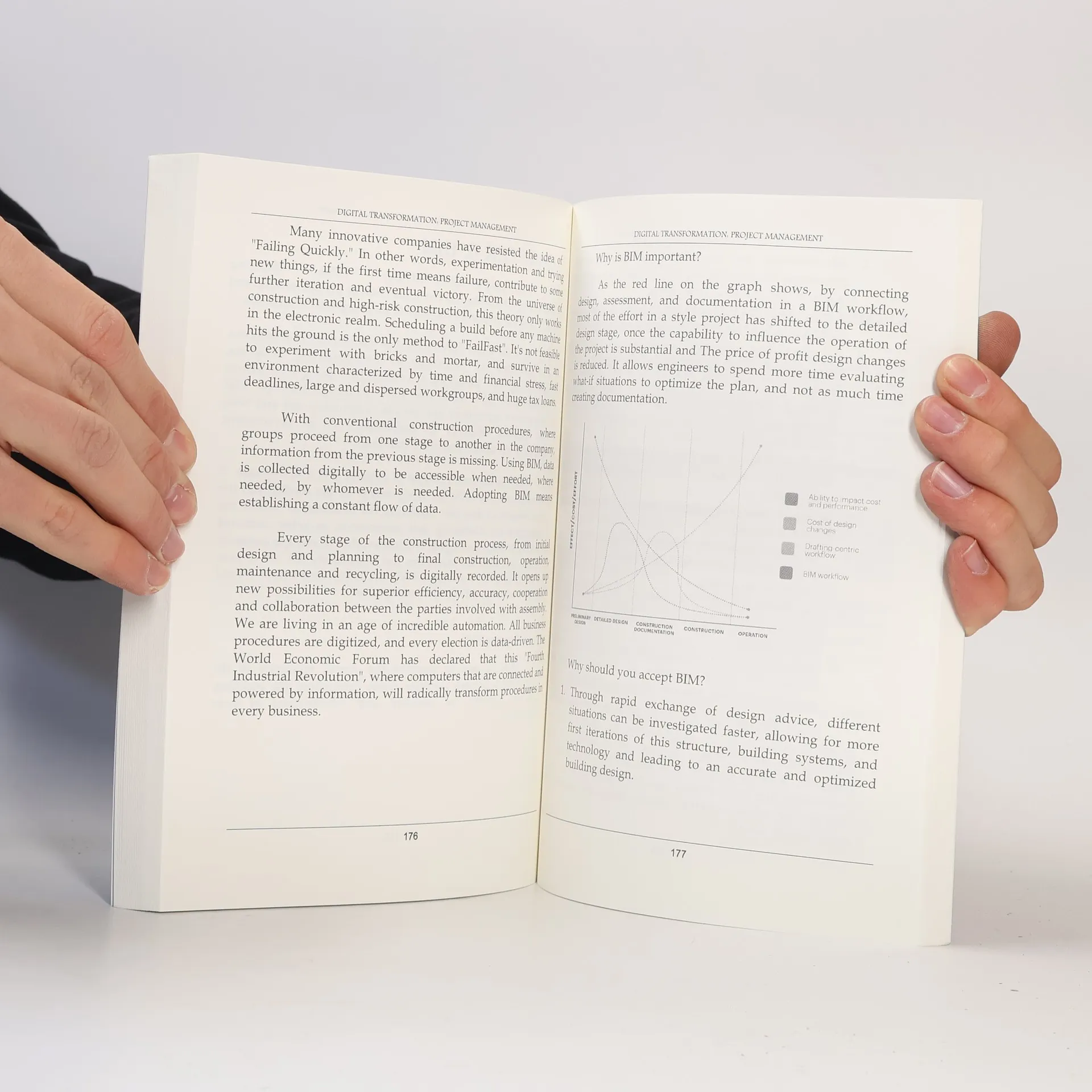
Digital transformation and Industry 4.0 are crucial concepts for understanding modern work and life. This book explores project management methodologies relevant to digital transformation across various sectors, including telecommunications, computing, industry, and construction. The first part introduces the technologies integral to digital transformation, summarizing project management methodologies. Key technologies discussed include industrial robotics, the internet of things, artificial intelligence, big data, blockchain, and cybersecurity. In the second part, the book delves into project management techniques derived from mechanical engineering, industrial organization, telecommunications, computer science, and civil engineering. It covers methodologies such as Scrum, Agile, ITIL, PRINCE2, BIM, Lean Manufacturing, and Six Sigma. The third part presents tools from business administration, offering a comprehensive approach to managing companies in today's evolving landscape. By compiling emerging technologies from diverse engineering and management fields, the book equips readers with the insights needed to adapt to the ongoing digital transformation in industry, ensuring they remain competitive and relevant.
Zakup książki
Digital Transformation, Mario Fernández
- Język

- Rok wydania
- 2020
- Oprawa
- (miękka)
Metody płatności
Nikt jeszcze nie ocenił.
- Tytuł
- Digital Transformation
- Podtytuł
- Project Management
- Język
- angielski
- Autorzy
- Mario Fernández
- Wydawca
- Independently published
- Rok wydania
- 2020
- Oprawa
- miękka
- Liczba stron
- 260
- ISBN13
- 9798650824350
- Seria
- Kategorie
- Opis
- Digital transformation and Industry 4.0 are crucial concepts for understanding modern work and life. This book explores project management methodologies relevant to digital transformation across various sectors, including telecommunications, computing, industry, and construction. The first part introduces the technologies integral to digital transformation, summarizing project management methodologies. Key technologies discussed include industrial robotics, the internet of things, artificial intelligence, big data, blockchain, and cybersecurity. In the second part, the book delves into project management techniques derived from mechanical engineering, industrial organization, telecommunications, computer science, and civil engineering. It covers methodologies such as Scrum, Agile, ITIL, PRINCE2, BIM, Lean Manufacturing, and Six Sigma. The third part presents tools from business administration, offering a comprehensive approach to managing companies in today's evolving landscape. By compiling emerging technologies from diverse engineering and management fields, the book equips readers with the insights needed to adapt to the ongoing digital transformation in industry, ensuring they remain competitive and relevant.