

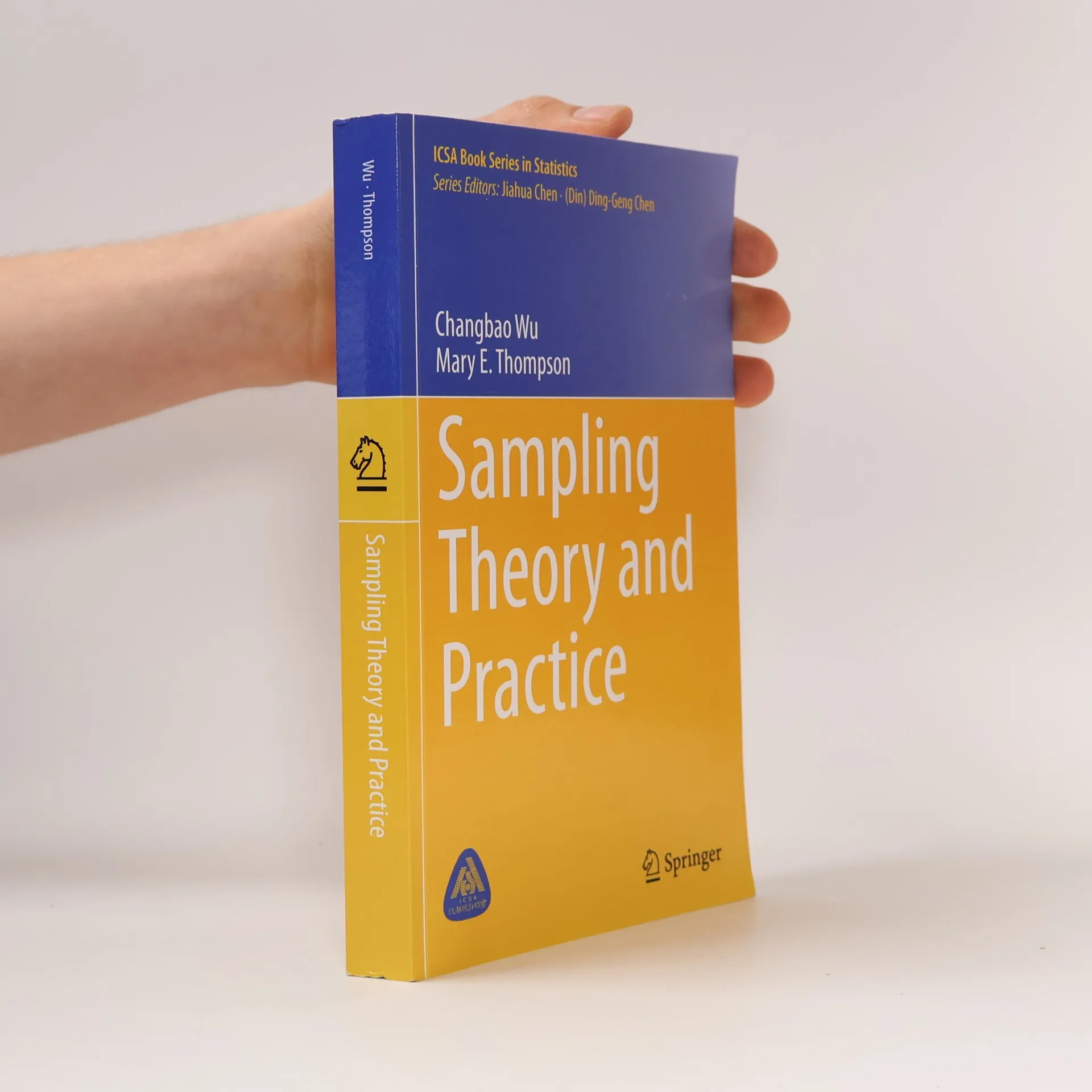

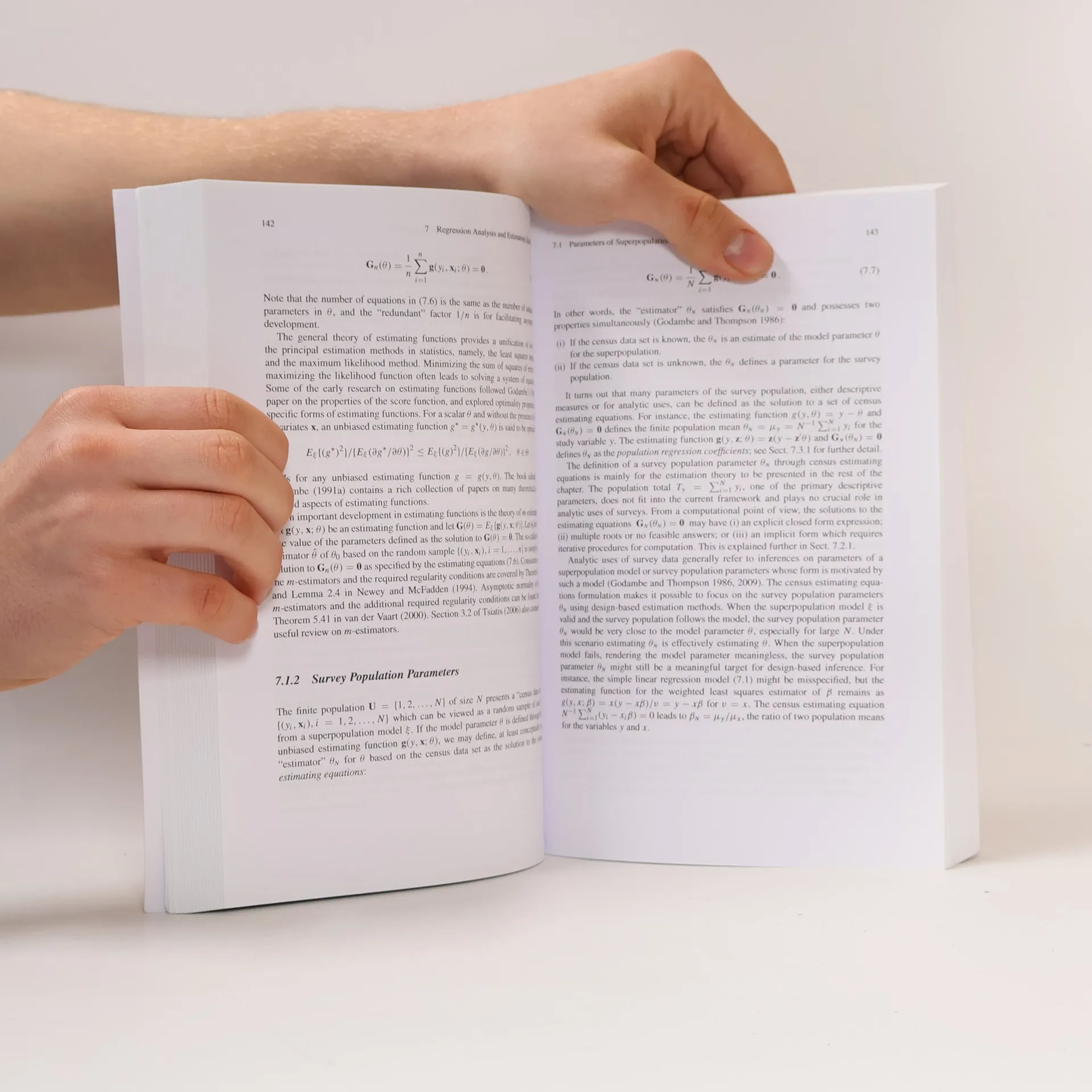
Więcej o książce
This book on survey methodology is divided into three parts, offering a comprehensive introduction to sampling theory, current research trends, and practical challenges in survey practice. It uniquely combines these elements, making it valuable for teaching, research, and application in survey sampling. While basic knowledge of probability theory and statistical inference is assumed, no prior experience in survey sampling is necessary. The first part emphasizes the design-based approach to finite population sampling, covering essential sampling designs, estimation theory, model-based prediction, and model-assisted estimation methods. The second part draws from original research and recent methodological advancements, discussing calibration weighting methods, regression analysis, longitudinal surveys, variance estimation, handling missing data, and Bayesian inference for survey data. The third part offers practical guidance for large-scale surveys, addressing training, quality control, frame construction, survey design choices, non-response reduction strategies, and weight calculation, illustrated with real-world examples. Specialized topics include household, telephone, web, and natural resource inventory surveys, as well as dual-frame and non-probability survey samples. This book serves as a self-contained introduction to survey sampling, blending theoretical foundations with contemporary research and practical tools for
Zakup książki
Sampling Theory and Practice, Changbao Wu, Mary E. Thompson, Jiahua Chen, Ding-Geng Chen
- Język

- Rok wydania
- 2021
- Oprawa
- (miękka)
Metody płatności
Nikt jeszcze nie ocenił.
- Tytuł
- Sampling Theory and Practice
- Język
- angielski
- Autorzy
- Changbao Wu, Mary E. Thompson, Jiahua Chen, Ding-Geng Chen
- Wydawca
- Springer
- Rok wydania
- 2021
- Oprawa
- miękka
- Liczba stron
- 388
- ISBN10
- 3030443922
- ISBN13
- 9783030443924
- Seria
- Kategorie
- Opis
- This book on survey methodology is divided into three parts, offering a comprehensive introduction to sampling theory, current research trends, and practical challenges in survey practice. It uniquely combines these elements, making it valuable for teaching, research, and application in survey sampling. While basic knowledge of probability theory and statistical inference is assumed, no prior experience in survey sampling is necessary. The first part emphasizes the design-based approach to finite population sampling, covering essential sampling designs, estimation theory, model-based prediction, and model-assisted estimation methods. The second part draws from original research and recent methodological advancements, discussing calibration weighting methods, regression analysis, longitudinal surveys, variance estimation, handling missing data, and Bayesian inference for survey data. The third part offers practical guidance for large-scale surveys, addressing training, quality control, frame construction, survey design choices, non-response reduction strategies, and weight calculation, illustrated with real-world examples. Specialized topics include household, telephone, web, and natural resource inventory surveys, as well as dual-frame and non-probability survey samples. This book serves as a self-contained introduction to survey sampling, blending theoretical foundations with contemporary research and practical tools for