


Więcej o książce
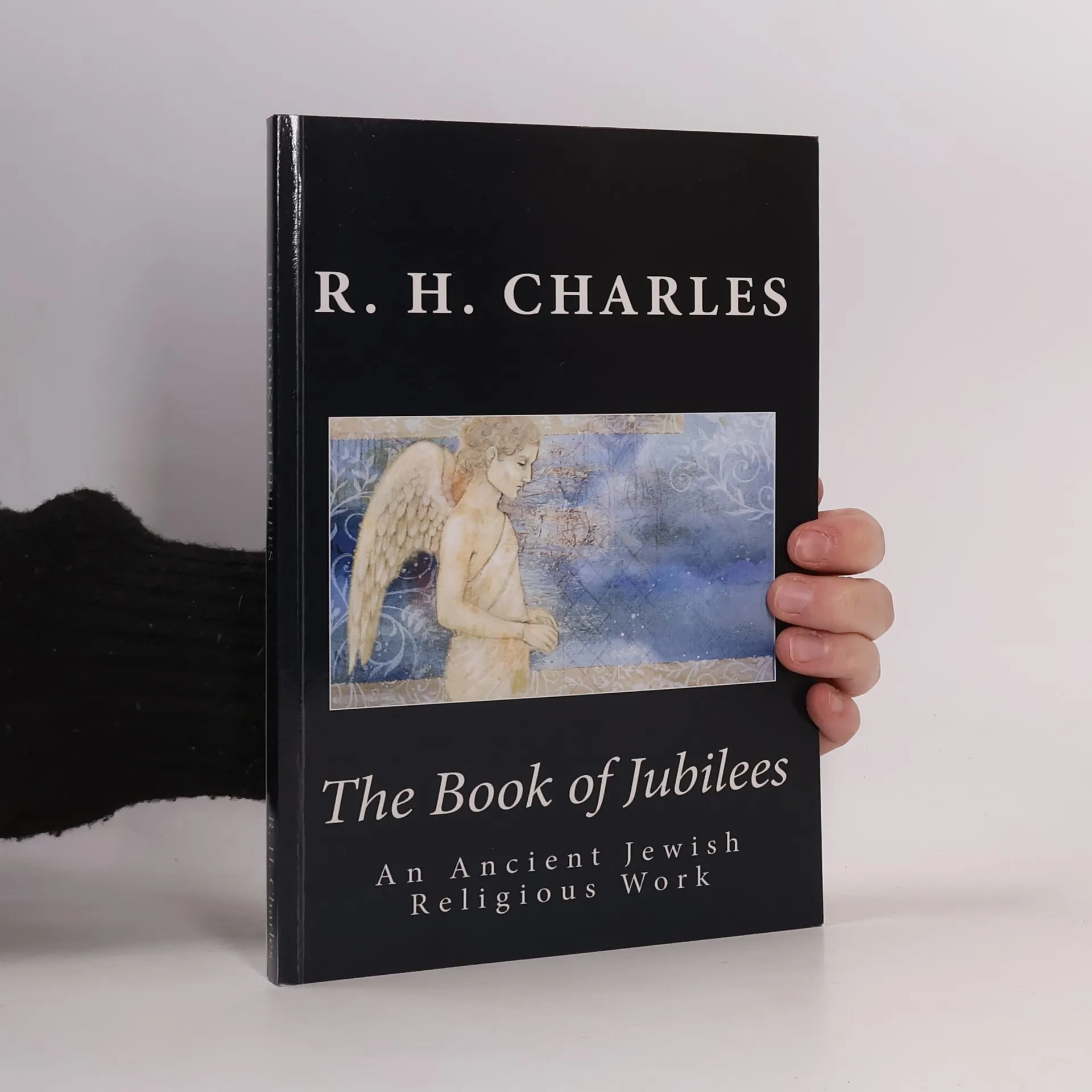
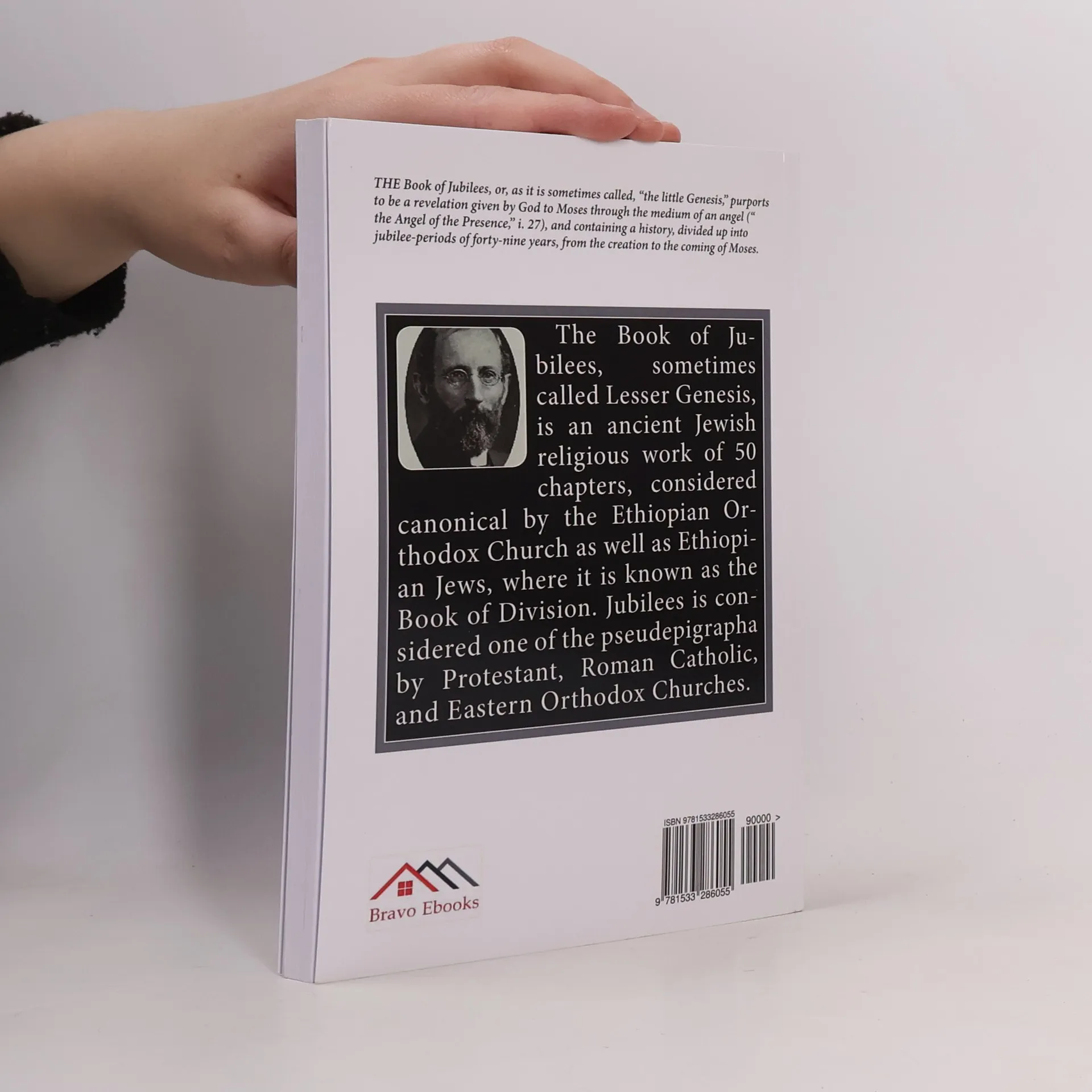
The Book of Jubilees, often referred to as "the little Genesis," claims to be a divine revelation to Moses via an angel, detailing a history divided into jubilee-periods of forty-nine years, from creation to Moses' time. The narrative extends only to Moses' birth and early life but reflects events relevant to the author's context, likely during the late second century B.C., possibly under Maccabean prince John Hyrcanus. While it differs from the Pentateuch, it serves as a supplement, incorporating material from Genesis and part of Exodus. The legal regulations presented are based on other Pentateuch sections, particularly the "Priest's Code," and some narrative details likely relate to the author's contemporary events. The author anticipates the imminent arrival of the Messianic Age, aligning his perspective with Apocalyptic writers, though his work is primarily narrative rather than typical apocalyptic literature. It weaves together historical narratives from Genesis and Exodus with legends and emphasizes specific legal practices. A central aim is to advocate for a reform of the calendar and festivals, rejecting the intercalated lunar calendar in favor of a solar calendar with 12 months and 364 days.
Zakup książki
The Book of Jubilees, R. H. Charles
- Język

- Rok wydania
- 2016
- Oprawa
- (miękka)
Metody płatności
Brakuje nam tutaj Twojej recenzji.
- Tytuł
- The Book of Jubilees
- Język
- angielski
- Autorzy
- R. H. Charles
- Rok wydania
- 2016
- Oprawa
- miękka
- Liczba stron
- 202
- ISBN10
- 1533286051
- ISBN13
- 9781533286055
- Seria
- Ocena
- 3,5 z 5
- Opis
- The Book of Jubilees, often referred to as "the little Genesis," claims to be a divine revelation to Moses via an angel, detailing a history divided into jubilee-periods of forty-nine years, from creation to Moses' time. The narrative extends only to Moses' birth and early life but reflects events relevant to the author's context, likely during the late second century B.C., possibly under Maccabean prince John Hyrcanus. While it differs from the Pentateuch, it serves as a supplement, incorporating material from Genesis and part of Exodus. The legal regulations presented are based on other Pentateuch sections, particularly the "Priest's Code," and some narrative details likely relate to the author's contemporary events. The author anticipates the imminent arrival of the Messianic Age, aligning his perspective with Apocalyptic writers, though his work is primarily narrative rather than typical apocalyptic literature. It weaves together historical narratives from Genesis and Exodus with legends and emphasizes specific legal practices. A central aim is to advocate for a reform of the calendar and festivals, rejecting the intercalated lunar calendar in favor of a solar calendar with 12 months and 364 days.