

Więcej o książce
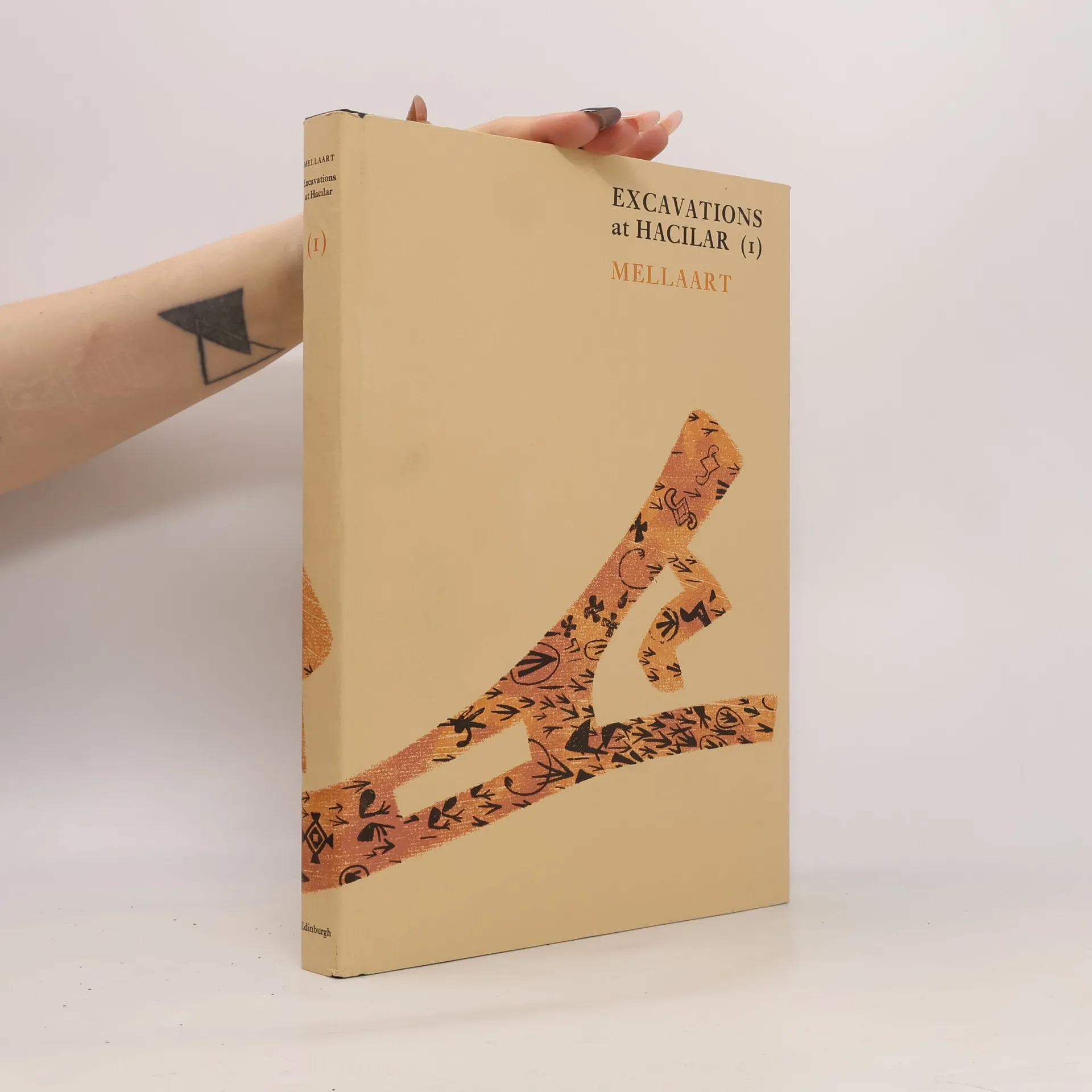
This great study is the permanent record and, for much of the material, is now the primary source of the Excavation of Hacılar in south-west Turkey, in the seasons up to 1960, by James Mellaart, then of the British Institute at Ankara. Mellaart’s work on the chalolithic, Neolithic, and aceramic levels of the Hacılar mound has added much to our knowledge of early urban settlement in the Near East and of the establishment of agriculture. In the latter work Mellaart was greatly assisted by Hans Helbaek, who contributes a most important section on the paleoethnobotany, and deduces much of the significance about the plant husbandry of the Neolithic Near East. But Hacılar is famous above all for its plentiful and splendid pottery and pottery figurines; and much of this great work is concerned with their documentation, typology and illustration. Volume one contains text, with just enough illustration of the site and the pottery for general guidance.
Zakup książki
Excavations at Hacılar, James Mellaart
- Język

- Rok wydania
- 1970
- Oprawa
- (twarda)
Metody płatności
Brakuje nam tutaj Twojej recenzji.
- Tytuł
- Excavations at Hacılar
- Język
- angielski
- Autorzy
- James Mellaart
- Rok wydania
- 1970
- Oprawa
- twarda
- Liczba stron
- 284
- ISBN10
- 0852240678
- ISBN13
- 9780852240670
- Seria
- Kategorie
- Tagi
- Archeologia
- Ocena
- 4 z 5
- Opis
- This great study is the permanent record and, for much of the material, is now the primary source of the Excavation of Hacılar in south-west Turkey, in the seasons up to 1960, by James Mellaart, then of the British Institute at Ankara. Mellaart’s work on the chalolithic, Neolithic, and aceramic levels of the Hacılar mound has added much to our knowledge of early urban settlement in the Near East and of the establishment of agriculture. In the latter work Mellaart was greatly assisted by Hans Helbaek, who contributes a most important section on the paleoethnobotany, and deduces much of the significance about the plant husbandry of the Neolithic Near East. But Hacılar is famous above all for its plentiful and splendid pottery and pottery figurines; and much of this great work is concerned with their documentation, typology and illustration. Volume one contains text, with just enough illustration of the site and the pottery for general guidance.